Introduction
In the realm of plumbing and water management, the importance of high-quality piping solutions cannot be overstated. Among the various materials available, PPR (Polypropylene Random Copolymer) pipes have emerged as a leading choice for their durability, versatility, and eco-friendliness. KPT Pipes is at the forefront of this industry, setting new standards in the manufacturing of PPR pipes and fittings. This article explores the innovations and advantages of KPT Pipes, the significance of PPR pipes in water management, and the future of this essential sector.
Understanding PPR Pipes and Fittings
What Are PPR Pipes?
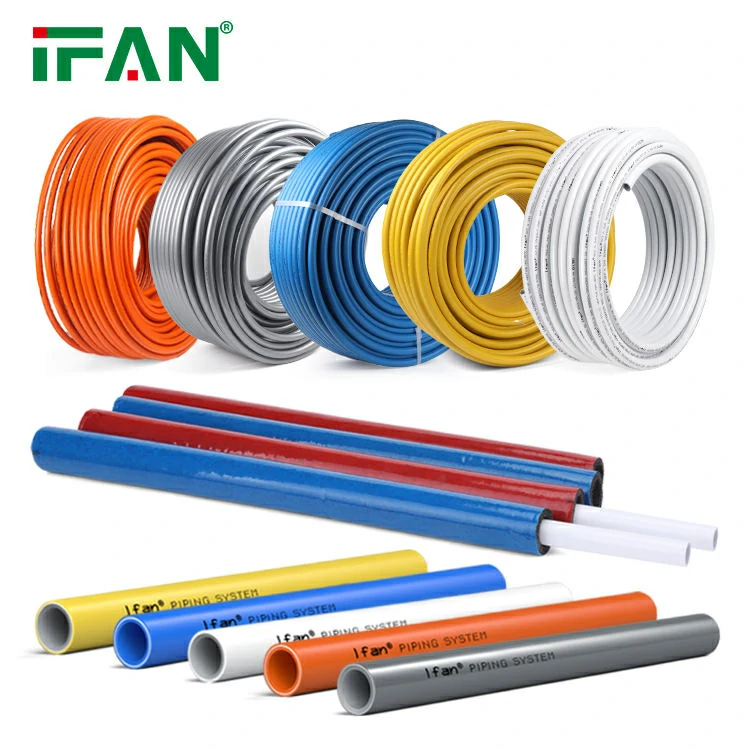
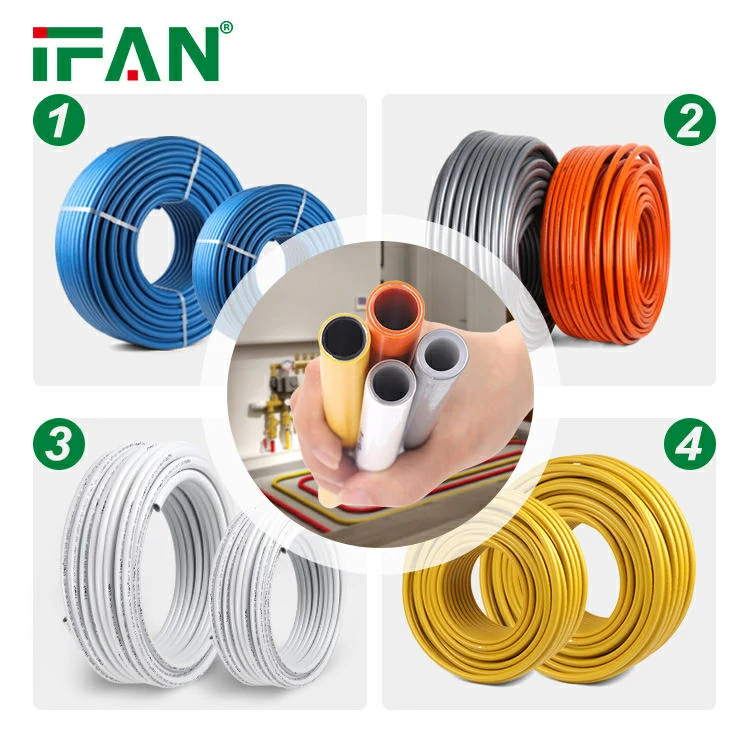
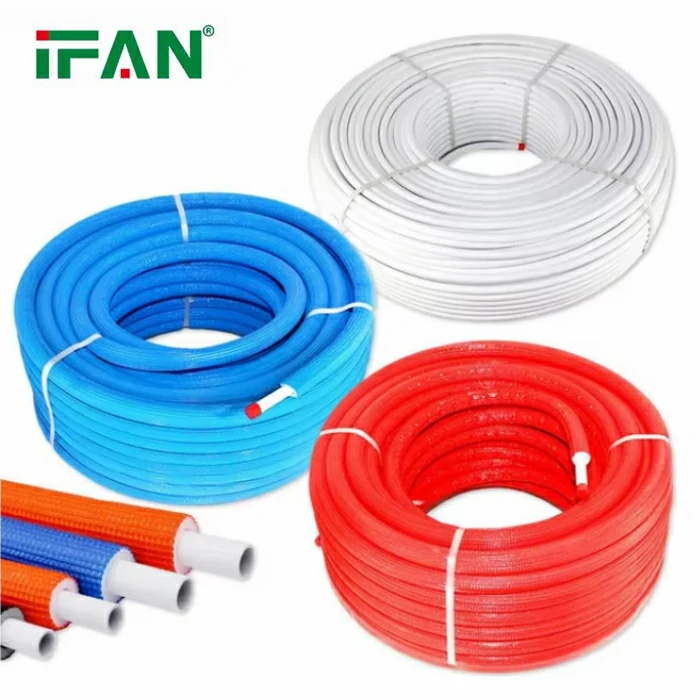
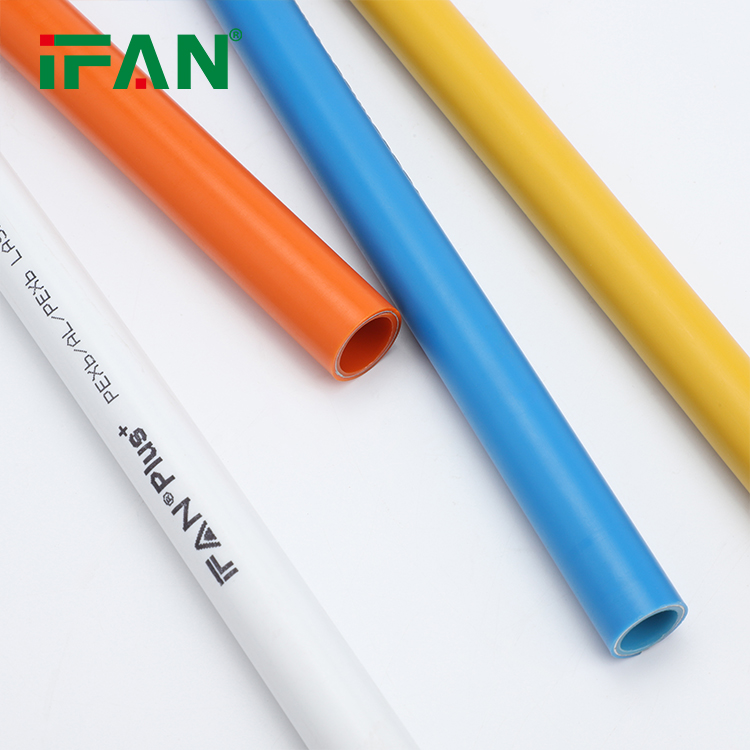
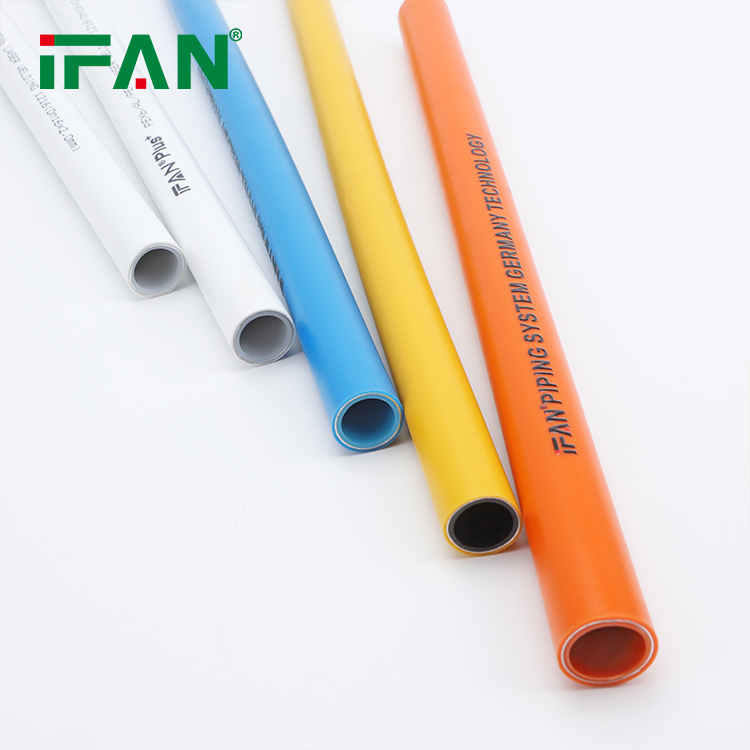
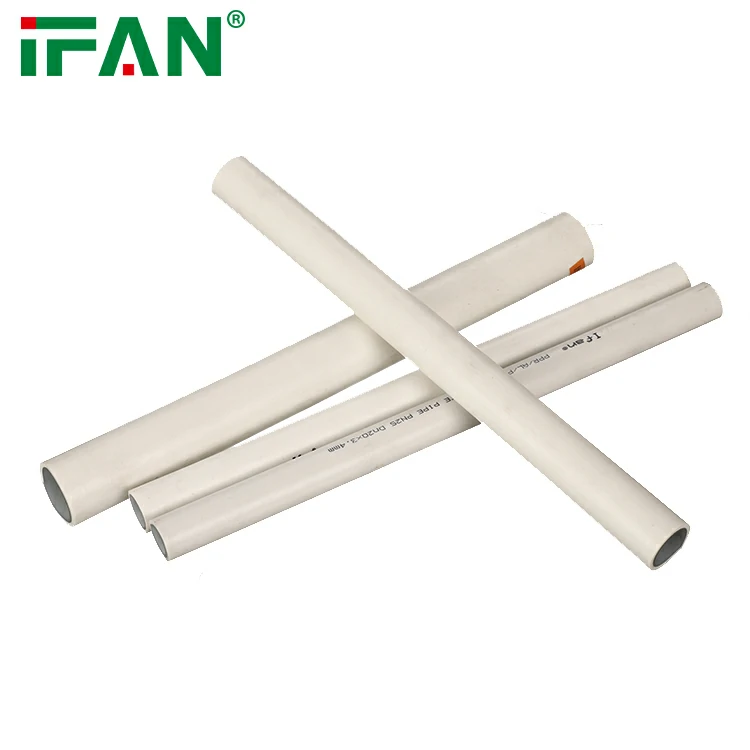
PPR pipes are made from polypropylene random copolymer, a thermoplastic polymer that offers excellent resistance to corrosion, chemicals, and high temperatures. These pipes are widely used in plumbing, heating, and cooling systems, making them an ideal choice for both residential and industrial applications.
Key Features of PPR Pipes
- Durability: PPR pipes have an impressive lifespan, often exceeding 50 years. Their resistance to wear and tear makes them a cost-effective choice for long-term water management.
- Corrosion Resistance: Unlike traditional metal pipes, PPR pipes do not corrode, ensuring a clean and safe water supply. This characteristic is particularly important in preventing contamination.
- Temperature Resistance: PPR pipes can handle temperatures up to 95°C (203°F), making them suitable for both hot and cold water applications.
- Eco-Friendly: PPR pipes are recyclable and free from harmful chemicals, making them an environmentally responsible choice for plumbing systems.
- Ease of Installation: The lightweight nature of PPR pipes simplifies handling and installation, while the heat fusion joining method ensures leak-proof connections.
KPT Pipes: Innovating the PPR Market
Company Overview
KPT Pipes is a leading manufacturer of PPR pipes and fittings, known for its commitment to quality, innovation, and sustainability. Established with the vision to revolutionize the plumbing industry, KPT Pipes has invested in advanced manufacturing technologies and rigorous quality control processes to deliver superior products.
Quality Assurance
KPT Pipes adheres to international standards in manufacturing, ensuring that every product meets the highest quality benchmarks. The company conducts extensive testing on its pipes and fittings, including:
- Hydraulic Testing: To ensure the pipes can withstand pressure without failure.
- Temperature Testing: To verify that the pipes maintain integrity at high temperatures.
- Chemical Resistance Testing: To assess the pipes’ ability to resist various chemicals, ensuring suitability for industrial applications.
Technological Advancements
KPT Pipes utilizes state-of-the-art manufacturing techniques, including automated production lines and advanced extrusion technology. This not only enhances production efficiency but also ensures consistent product quality. The company continuously invests in research and development to innovate new products that meet the evolving needs of the market.
The Importance of PPR Pipes in Water Management
Sustainable Water Solutions
As global water scarcity becomes an increasingly pressing issue, the demand for efficient water management solutions is on the rise. PPR pipes play a crucial role in this context. Their durability and resistance to corrosion make them ideal for long-term water distribution systems, reducing the need for frequent replacements and minimizing waste.
Applications of PPR Pipes
- Residential Plumbing: PPR pipes are widely used in residential plumbing systems for both hot and cold water supply. Their reliability and safety make them a preferred choice for homeowners.
- Industrial Applications: In industries such as food and beverage, pharmaceuticals, and chemical processing, PPR pipes are used for transporting fluids safely and efficiently.
- Heating Systems: PPR pipes are commonly used in heating systems, including underfloor heating and radiator connections, due to their excellent temperature resistance.
- Irrigation Systems: In agriculture, PPR pipes are employed for irrigation systems, ensuring efficient water distribution and conservation.
The Future of PPR Pipes and KPT Pipes
Market Trends
The global PPR pipe market is projected to grow substantially in the coming years, driven by increasing urbanization, infrastructure development, and a focus on sustainable water management solutions. As more countries invest in modernizing their water supply systems, the demand for high-quality PPR pipes will continue to rise.
KPT Pipes’ Commitment to Sustainability
KPT Pipes is dedicated to promoting sustainability in its manufacturing processes. The company focuses on using eco-friendly materials and reducing waste during production. By prioritizing sustainability, KPT Pipes not only meets market demands but also contributes to environmental conservation.
Expanding Product Range
To cater to diverse market needs, KPT Pipes is continuously expanding its product range. The company is developing new fittings and accessories that enhance the functionality and versatility of PPR piping systems. This commitment to innovation positions KPT Pipes as a leader in the industry.
Conclusion
KPT Pipes is setting new standards in the manufacturing of PPR pipes and fittings, offering innovative solutions that meet the growing demands of the plumbing and water management sectors. With a focus on quality, sustainability, and technological advancements, KPT Pipes is well-positioned to lead the market in the coming years. As the world grapples with water scarcity and the need for efficient infrastructure, PPR pipes will play a vital role in ensuring a sustainable water future.
Frequently Asked Questions (FAQs)
1. What are PPR pipes used for?
PPR pipes are used for a variety of applications, including residential plumbing, industrial fluid transport, heating systems, and irrigation systems.
2. What are the advantages of using PPR pipes over traditional materials?
PPR pipes offer several advantages, including corrosion resistance, durability, lightweight design, ease of installation, and eco-friendliness.
3. How long do PPR pipes last?
PPR pipes have a lifespan of over 50 years, making them a cost-effective choice for long-term water management solutions.
4. Are KPT Pipes environmentally friendly?
Yes, KPT Pipes are committed to sustainability, using recyclable materials and eco-friendly manufacturing processes to minimize environmental impact.
5. How are PPR pipes installed?
PPR pipes are typically installed using a heat fusion method, which involves heating the pipe ends and fitting them together to create a strong, leak-proof joint.