Introduction
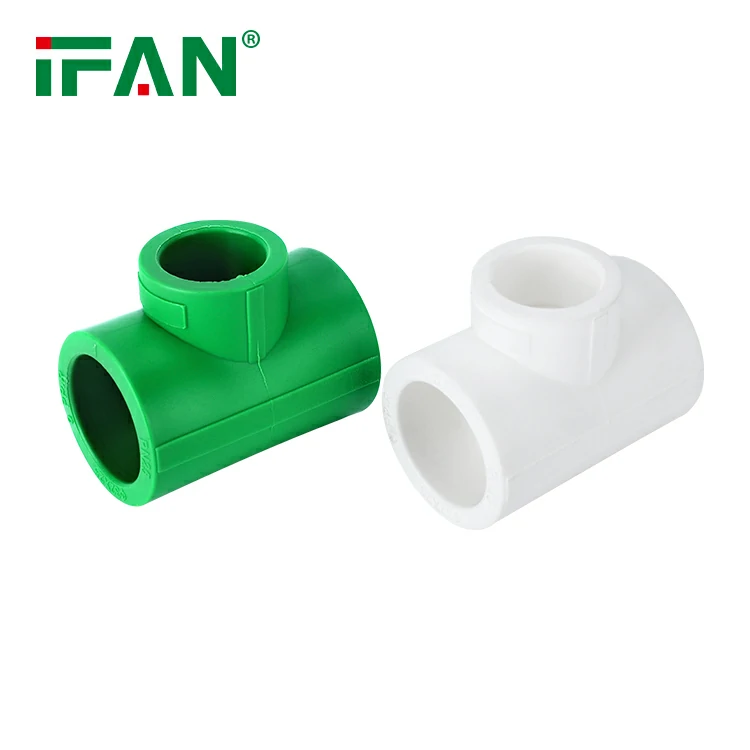
In an era where water conservation has become a global priority, Ethiopia’s Ministry of Water has announced an exciting new initiative to reduce water waste by replacing outdated piping systems with advanced PPR (Polypropylene Random Copolymer) fittings. This move aims to improve the efficiency of water distribution systems, ensuring that more clean water reaches homes and businesses while minimizing wastage and leaks. The adoption of PPR fittings in Ethiopia’s water infrastructure is a major step forward in tackling the challenges of water scarcity and enhancing sustainability. This article will explore the benefits of PPR fittings and how the Ministry’s initiative will positively impact the country’s water systems.
The Importance of Efficient Water Distribution Systems
Water is one of the most vital resources for life, yet it is often underappreciated and mismanaged. Water wastage is a significant issue in many countries, and Ethiopia is no exception. Old and deteriorating pipes often lead to water leakage, which contributes to water scarcity and hinders economic growth. The Ministry of Water’s new initiative to replace old pipes with high-quality PPR fittings is an effort to ensure that water distribution systems are more efficient and effective.
PPR fittings are known for their excellent resistance to corrosion and leakage. In areas with fluctuating water pressures, these fittings provide a reliable, durable, and cost-effective solution. As a result, replacing the old pipes with PPR systems will reduce water waste and improve the overall functioning of the national water network.
Benefits of PPR Fittings in Water Distribution Systems
1. Durability and Resistance to Corrosion
PPR fittings are made from a high-quality plastic polymer that is highly resistant to corrosion and chemical damage. Unlike traditional metal pipes, which can rust and degrade over time, PPR fittings retain their strength and functionality for decades. This resistance to corrosion makes them ideal for use in water distribution systems, where pipes are exposed to constant pressure and moisture.
2. Leak-Free Performance
One of the most significant advantages of PPR fittings is their ability to create secure, leak-free joints. These fittings are typically heat-welded to form strong, permanent seals, which prevent water leakage. This is especially important in water distribution systems, as even small leaks can lead to significant water loss over time.
3. Cost-Effective Solution
PPR fittings are a cost-effective option for water infrastructure projects. They are less expensive than metal alternatives and require less maintenance over their lifespan. The installation process is also simpler and quicker, which helps to reduce labor costs and shorten project timelines. By using PPR fittings, Ethiopia can save money on both installation and long-term maintenance.
4. Resistance to High Water Pressures
In many regions, water systems experience fluctuating or high water pressures due to varying demand. PPR fittings are specifically designed to handle these pressure changes without compromising their integrity. This makes them an excellent choice for areas where water pressure issues are common, ensuring that the system remains functional and efficient.
5. Environmental Benefits
PPR fittings are eco-friendly, as they are made from recyclable materials and have a minimal environmental impact during production. Their long lifespan also means fewer replacements and less waste in the long run. This aligns with Ethiopia’s commitment to sustainable development and the responsible use of resources.
How PPR Fittings Will Help Reduce Water Waste in Ethiopia
The introduction of PPR fittings into Ethiopia’s water distribution systems is part of a broader strategy to address the growing challenges of water waste and scarcity. By replacing old, leaking pipes with durable PPR fittings, the Ministry of Water aims to:
- Reduce Water Leakage: Old, corroded pipes often leak large amounts of water, which contributes to both water wastage and the depletion of local water sources. PPR fittings will ensure that joints are secure and leakage is minimized, significantly improving the efficiency of the water distribution network.
- Ensure Reliable Water Supply: With more reliable pipes, more water will reach consumers without being lost through leaks. This will help to ensure that both urban and rural areas have consistent access to clean, safe water.
- Promote Sustainable Water Use: By improving the efficiency of the water distribution system, Ethiopia can optimize the use of its limited water resources. This will support the country’s long-term goal of water sustainability, ensuring that future generations have access to clean water.
- Encourage Economic Growth: A reliable water supply is crucial for many sectors, including agriculture, manufacturing, and tourism. By improving the country’s water infrastructure, Ethiopia can foster economic growth, job creation, and social development.
Ministry of Water’s Commitment to Modernizing Infrastructure
The Ministry of Water has made it clear that the adoption of PPR fittings is just one component of a larger effort to modernize Ethiopia’s water infrastructure. As part of this initiative, the government is investing in new technologies, better training for engineers, and more efficient maintenance practices. These efforts are designed to create a more resilient and sustainable water distribution network for the entire country.
The Ministry has also emphasized the importance of collaboration with local and international partners to ensure that the project is successful. This includes engaging with suppliers of PPR fittings, as well as consulting with experts in water infrastructure management. By working together, the Ministry aims to ensure that the benefits of this initiative are felt across all regions of Ethiopia.
Conclusion
The introduction of PPR fittings into Ethiopia’s water distribution systems is a critical step toward reducing water waste and improving the efficiency of water management. By replacing outdated pipes with high-quality PPR fittings, Ethiopia is not only addressing current water scarcity issues but also setting the stage for long-term sustainability. The Ministry of Water’s commitment to modernizing the country’s water infrastructure will undoubtedly have far-reaching benefits for the economy, public health, and the environment.
Through the strategic use of PPR fittings, Ethiopia is making significant progress toward securing a more water-efficient and sustainable future. With these advancements, the nation can hope to better manage its precious water resources and ensure that all citizens have access to clean, reliable water for years to come.
Frequently Asked Questions (FAQ)
1. What are PPR fittings?
PPR fittings are plumbing components made from polypropylene random copolymer. They are widely used in water distribution systems due to their durability, resistance to corrosion, and cost-effectiveness.
2. How do PPR fittings reduce water waste?
PPR fittings create secure, leak-free joints that prevent water from leaking out of the pipes, reducing water wastage in the distribution system.
3. Why are PPR fittings a good choice for water distribution systems?
PPR fittings are highly resistant to corrosion, handle high water pressures, and offer long-lasting, leak-free performance, making them ideal for use in water infrastructure.
4. What are the environmental benefits of using PPR fittings?
PPR fittings are made from recyclable materials and have a minimal environmental impact. Their long lifespan also reduces the need for frequent replacements, contributing to less waste.
5. How will Ethiopia benefit from adopting PPR fittings in its water systems?
Ethiopia will benefit from improved water efficiency, reduced water loss, and a more reliable water supply, which will support economic growth, sustainability, and public health.