Introduction
In a significant move toward sustainable water infrastructure, the Ministry of Water Resources has announced the nationwide rollout of new PPR fittings in government-backed water management projects. These fittings, made from Polypropylene Random Copolymer (PPR), are known for their exceptional durability, leak-proof design, and long lifespan, making them ideal for modern plumbing systems.
With water scarcity and distribution losses becoming critical issues across the country, the adoption of ppr fittings is expected to play a crucial role in reducing water leakage, improving system efficiency, and enhancing rural and urban water access.
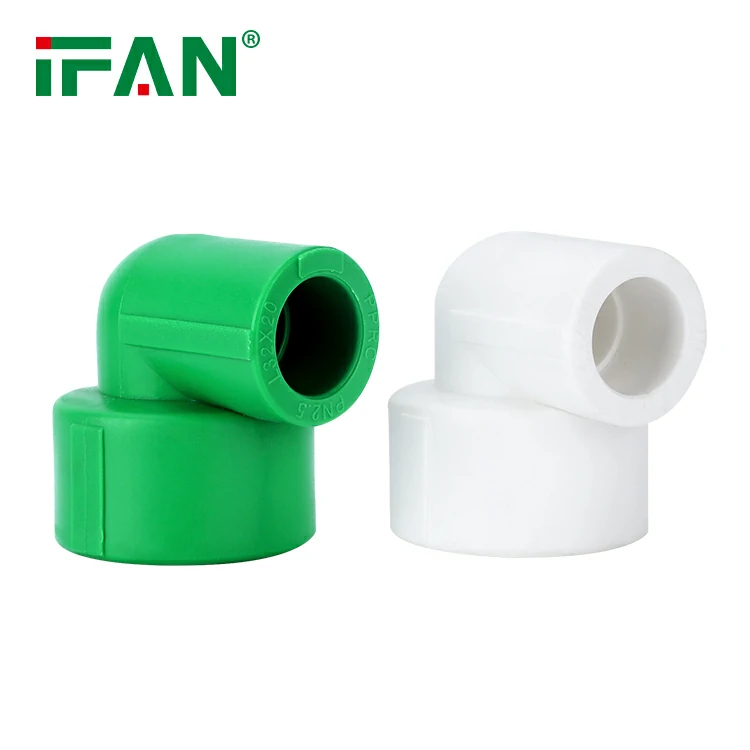
What Are PPR Fittings?
PPR fittings are thermoplastic components used to connect PPR pipes in plumbing and water distribution systems. They are widely preferred over traditional materials like PVC and metal for several reasons:
- High resistance to heat and pressure
- Corrosion-free and non-toxic
- Seamless, leak-proof connections via heat fusion
- Long service life (over 50 years)
- Low maintenance requirements
Their strength and reliability make ppr fittings the go-to solution for both residential and commercial plumbing networks, especially in regions prone to climate fluctuations and aging infrastructure.
The Water Loss Crisis
Background
According to the Ministry’s recent report, up to 35% of treated water in some urban areas is lost due to leakages, outdated plumbing, and inefficient distribution systems. This not only wastes resources but also increases operational costs and deprives underserved communities of reliable access to clean water.
Primary Causes of Water Loss
- Aging infrastructure with metal pipe corrosion
- Improper or loose fittings
- Cracked joints due to thermal expansion or pressure surges
- Manual maintenance delays and repair backlogs
How PPR Fittings Help Reduce Water Loss
The Ministry’s transition to ppr fittings addresses these core issues by offering a modern, sustainable, and durable solution.
1. Leak-Proof Heat Fusion Joints
PPR systems use a process called polyfusion welding, which permanently bonds fittings and pipes into a single, seamless unit. This drastically reduces the chances of leakage at joints—traditionally the weakest points in any pipeline.
2. Resistance to Corrosion and Mineral Buildup
Unlike metal or PVC, ppr fittings do not corrode, even when exposed to hard water or chemical treatments. This extends the lifespan of the water system and minimizes maintenance needs.
3. Adaptability to Pressure and Temperature
PPR can handle pressures up to 25 bars and temperatures up to 95°C, making it ideal for diverse climatic and operational conditions.
4. Quick and Cost-Effective Installation
Thanks to their lightweight design and ease of welding, PPR fittings reduce labor time and costs, accelerating the rollout of critical infrastructure projects.
Government Endorsement and Pilot Projects
The Ministry has already begun pilot projects in three major urban centers and six rural districts, where old iron pipelines are being replaced with modern PPR systems.
Early Results:
- Leakage reduction by up to 70% in trial zones
- Improved water pressure in residential areas
- Fewer repair requests logged over a 3-month test period
- Positive public feedback regarding water availability and clarity
Government spokesperson, Mr. Arun Desai, stated:
“Adopting PPR fittings is not just a technical upgrade; it’s a strategic investment in our water security and infrastructure resilience.”
Future Outlook
The government plans to expand the initiative nationwide over the next five years. As part of the broader Water Conservation and Efficiency Program, this effort aligns with:
- UN Sustainable Development Goal 6 (Clean Water & Sanitation)
- National Water Mission objectives
- Smart Cities and AMRUT urban renewal programs
Furthermore, local manufacturers of ppr fittings are being incentivized through policy support and tax benefits to scale production and reduce import dependency.
Final Thoughts
Water is one of our most valuable resources, and protecting it requires smart, forward-thinking infrastructure choices. The Ministry’s decision to implement ppr fittings across national water systems is a decisive step toward reducing water loss, improving service delivery, and ensuring long-term system sustainability.
With their durability, efficiency, and eco-friendliness, ppr fittings represent the future of plumbing—one that prioritizes performance, public health, and resource conservation.
As more cities and rural areas transition to these modern systems, we can expect not just improved water access, but also significant savings in maintenance and public utility costs.
Frequently Asked Questions (FAQs)
1. What are PPR fittings used for?
PPR fittings are used to connect PPR pipes in plumbing systems, especially in water supply networks. They are ideal for both hot and cold water distribution.
2. How do PPR fittings reduce water loss?
They create seamless, leak-proof joints through heat fusion, eliminating weak points where leaks typically occur in traditional systems.
3. Are PPR fittings better than PVC or metal?
Yes. PPR fittings are more durable, resistant to corrosion and chemicals, and have a longer lifespan compared to PVC or metal alternatives.
4. Can PPR systems handle high pressure and heat?
Absolutely. PPR pipes and fittings can handle pressures up to 25 bars and temperatures up to 95°C, making them suitable for a wide range of applications.
5. Are PPR fittings environmentally friendly?
Yes. PPR is recyclable, non-toxic, and energy-efficient in manufacturing, making it a sustainable choice for modern plumbing infrastructure.