Introduction
Ethiopia is taking a significant step towards industrial growth and economic independence with the establishment of a new plumbing system factory dedicated to producing ppr fittings. This initiative aims to reduce dependency on imports, bolster the local manufacturing sector, and enhance the country’s position in the global market through export trade.
The introduction of this factory marks a strategic move for Ethiopia’s infrastructure development and economic diversification. It reflects the government’s commitment to industrialization under its broader Growth and Transformation Plan (GTP), focusing on producing essential plumbing materials locally, particularly polypropylene random copolymer (PPR) fittings.
What Are PPR Fittings and Why Are They Important?
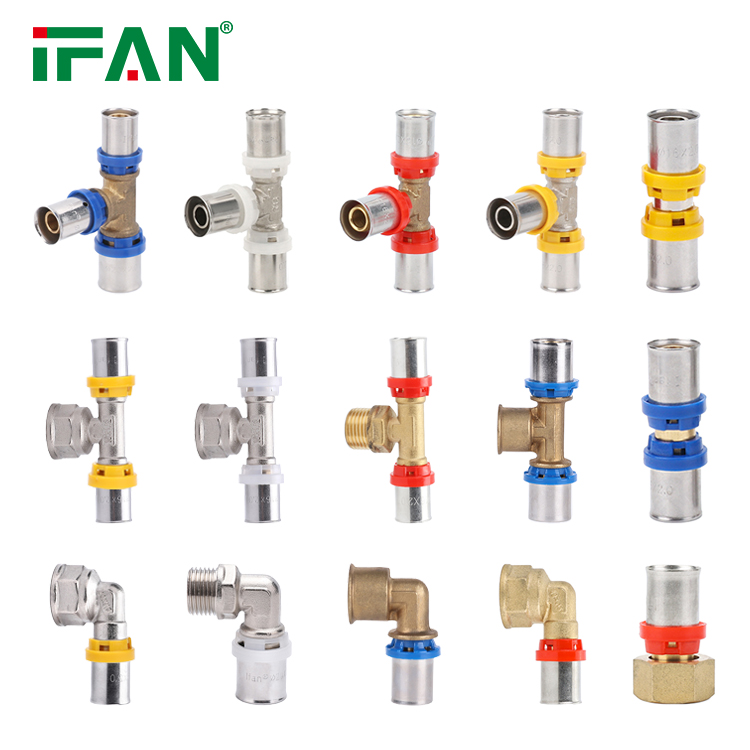
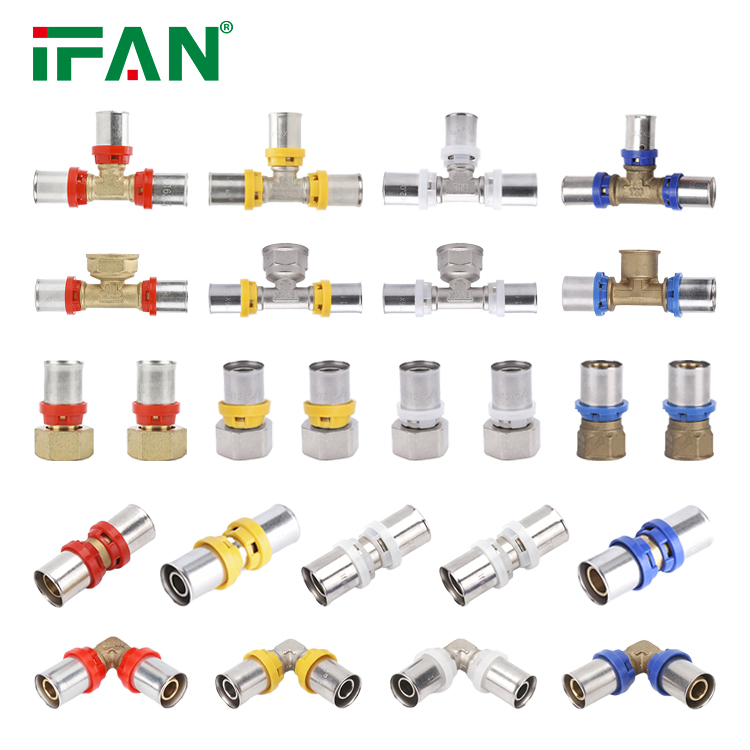
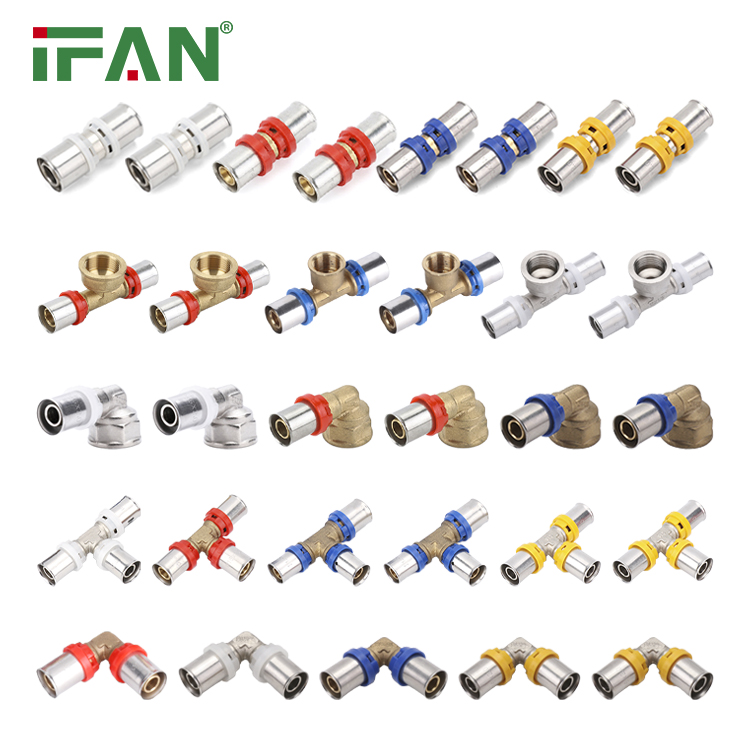
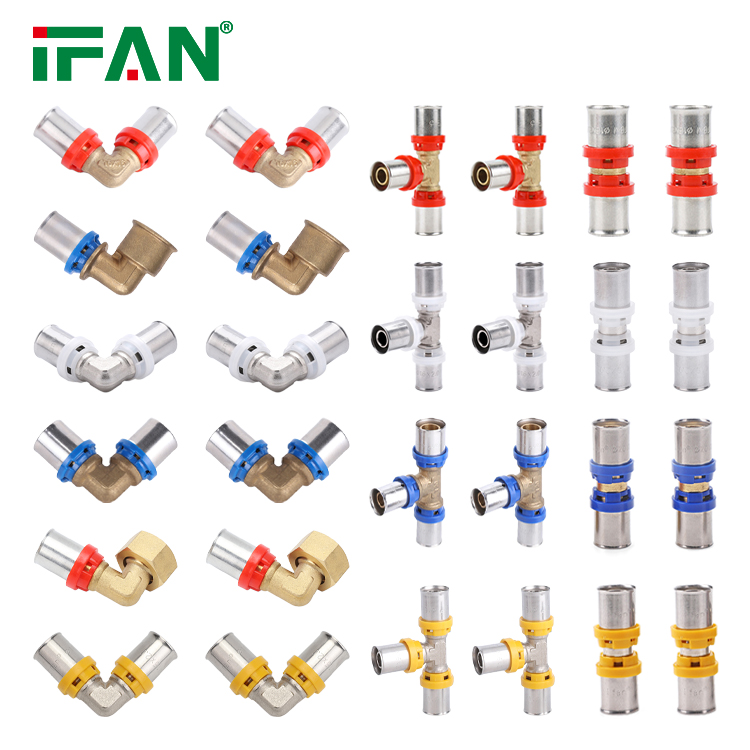
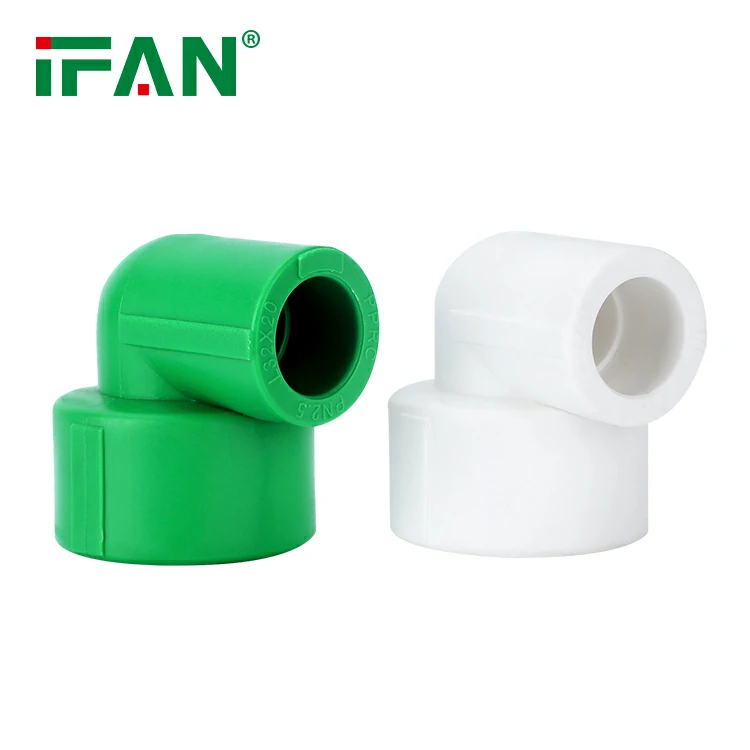
PPR fittings are specialized connectors used in plumbing systems to join PPR pipes. Known for their strength, durability, and resistance to heat and corrosion, they are essential components in both residential and industrial water distribution systems.
Key advantages of ppr fittings include:
- Long lifespan, often exceeding 50 years
- Leak-proof, seamless joints through heat fusion technology
- Resistance to chemical corrosion and scale buildup
- Lightweight and easy to install
- Environmentally friendly and recyclable
The growing demand for ppr fittings worldwide makes their local production a smart business move for Ethiopia.
The Factory’s Role in Import Substitution
Reducing Dependency on Imports
Ethiopia currently relies heavily on imported plumbing materials, including ppr fittings, which raises costs, increases lead times, and exposes the supply chain to international market fluctuations.
By producing ppr fittings locally, the new factory will:
- Lower the cost of plumbing materials for domestic construction and infrastructure projects
- Ensure steady availability and faster delivery times
- Build local expertise and technology capacity
Supporting Local Construction and Infrastructure Growth
With Ethiopia’s booming real estate, industrial, and public infrastructure sectors, the demand for reliable plumbing components is soaring. Locally manufactured ppr fittings will directly support this growth, enabling more cost-effective and sustainable projects.
Expanding Export Trade Opportunities
Positioning Ethiopia as a Regional Manufacturing Hub
The factory aims not only to meet local demand but also to target neighboring countries within the East African Community (EAC) and beyond. Ethiopia’s strategic location and improving transport infrastructure make it an ideal export base.
Quality and Standards Compliance
The factory is equipped with modern machinery and quality control systems to produce ppr fittings that meet international standards such as:
- ISO 15874 (Plastics piping systems for hot and cold water installations)
- ASTM standards for polypropylene products
This compliance ensures that Ethiopian-made ppr fittings are competitive in regional and global markets, opening doors to new trade partnerships.
Economic and Social Benefits
Job Creation and Skill Development
The plumbing system factory has created numerous direct and indirect jobs, contributing to local employment and community development. It also offers on-the-job training to workers, enhancing their technical skills in polymer manufacturing and quality control.
Boosting Industrial Growth
This venture exemplifies Ethiopia’s growing industrial base and supports its vision to become a middle-income country by 2030. Domestic production of ppr fittings reduces reliance on volatile international markets and strengthens Ethiopia’s manufacturing ecosystem.
Environmental Impact
By producing ppr fittings locally, the factory reduces the carbon footprint associated with long-distance imports. Moreover, PPR materials are recyclable, and the factory incorporates waste management and recycling initiatives to minimize environmental impact.
Challenges and Future Prospects
Initial Capital and Technology Transfer
Setting up a factory with advanced manufacturing capabilities required significant investment and partnerships with international technology providers experienced in PPR fittings production.
Market Penetration and Competition
While the factory benefits from domestic demand, it faces competition from well-established foreign suppliers. Continuous innovation, quality assurance, and competitive pricing will be critical to gaining market share.
Expansion Plans
The factory plans to expand its product line beyond basic ppr fittings to include complete plumbing solutions such as pipes, valves, and accessories to further reduce imports and increase export potential.
Final Thoughts
The establishment of a plumbing system factory in Ethiopia focusing on ppr fittings represents a major milestone in the country’s industrial journey. This initiative not only supports import substitution but also opens new avenues for export trade, helping to diversify Ethiopia’s economy and create sustainable employment.
By leveraging high-quality ppr fittings production, Ethiopia is positioning itself as a key player in East Africa’s plumbing market and beyond. As infrastructure development accelerates, local manufacturing of essential components like ppr fittings will be instrumental in ensuring affordability, reliability, and growth.
Frequently Asked Questions (FAQs)
1. What are PPR fittings used for?
PPR fittings are connectors used to join polypropylene pipes in plumbing systems, providing durable and leak-proof joints for water supply and heating.
2. Why is local production of ppr fittings important for Ethiopia?
Local production reduces dependency on imports, lowers costs, creates jobs, and supports the country’s infrastructure and industrial growth.
3. How do ppr fittings compare to other plumbing fittings?
PPR fittings are resistant to corrosion, chemical damage, and high temperatures, with a longer lifespan than many traditional metal or PVC fittings.
4. Will Ethiopian-made ppr fittings meet international quality standards?
Yes, the factory is equipped to produce fittings compliant with international standards such as ISO 15874 and ASTM, ensuring quality for domestic use and export.
5. What are the environmental benefits of using ppr fittings?
PPR fittings are recyclable and manufacturing locally reduces carbon emissions related to transportation. They also reduce water loss due to their leak-proof joint system.