Introduction
Ethiopia, a country with a rapidly growing industrial sector, has embarked on a transformative journey to boost its economy through import substitution and export trade. One of the most promising industries seeing significant development is the production of PPR (Polypropylene Random Copolymer) fittings. These fittings, commonly used in plumbing and piping systems, have long been imported into Ethiopia, but with the establishment of a new PPR fitting factory, the country is taking crucial steps toward reducing dependency on foreign imports and enhancing export trade opportunities. This article explores the development of the PPR fitting manufacturing industry in Ethiopia and its potential impact on the nation’s economy.
The Importance of PPR Fittings in Modern Construction
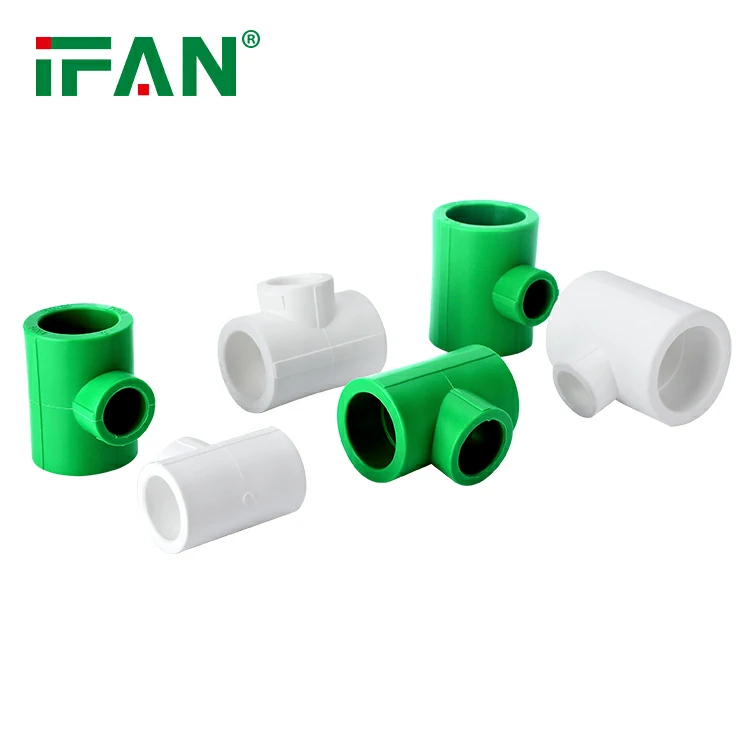
PPR fittings are an essential component in modern plumbing and piping systems. They are widely used in residential, commercial, and industrial applications due to their durability, resistance to corrosion, and ease of installation. Made from a high-quality polymer, PPR fittings are not only cost-effective but also environmentally friendly, as they are fully recyclable.
In Ethiopia, the demand for PPR fittings has been on the rise due to rapid urbanization and the ongoing expansion of infrastructure projects. However, the country has largely relied on imports to meet this growing demand, which has placed a strain on foreign exchange reserves and created an opportunity for local production.
Establishment of the PPR Fitting Factory
To address the challenges of import dependency, Ethiopia has established a state-of-the-art PPR fitting system factory, which is expected to significantly boost local production. The factory is equipped with advanced machinery capable of producing a wide range of PPR fittings, including pipes, elbows, tees, couplings, and more. By localizing the production process, Ethiopia aims to reduce its reliance on imported goods and foster economic independence.
The factory is strategically located to take advantage of Ethiopia’s growing industrial zones, with easy access to raw materials and a skilled labor force. It is expected to create hundreds of jobs in the region and serve as a catalyst for further industrialization.
Import Substitution: A Key Strategy for Economic Growth
One of the primary goals of the new PPR fitting factory is import substitution, a strategy that involves replacing imported goods with domestically produced alternatives. This is a critical part of Ethiopia’s broader economic policy, which aims to promote local industries and reduce the country’s trade deficit.
By producing PPR fittings locally, the factory can supply the domestic market with high-quality products at competitive prices, which will lead to a reduction in the need for imported fittings. This will help conserve foreign currency, enhance the country’s self-sufficiency, and create a more sustainable industrial economy.
Export Trade Potential
In addition to meeting domestic demand, the PPR fitting factory has the potential to tap into international markets. The global demand for PPR fittings is growing, particularly in regions where infrastructure development and construction are booming. Ethiopia, with its strategic location in the Horn of Africa, is well-positioned to become a major exporter of PPR fittings to neighboring countries and beyond.
The factory’s ability to produce high-quality, cost-effective PPR fittings gives Ethiopia a competitive edge in the global market. By exporting these products, Ethiopia can earn valuable foreign exchange, create jobs, and strengthen its position as a key player in the regional and global supply chain.
Supporting Sustainable Development
The establishment of the PPR fitting factory also aligns with Ethiopia’s commitment to sustainable development. The production of PPR fittings is environmentally friendly, as the material is non-toxic, and the manufacturing process generates minimal waste. Furthermore, PPR fittings have a long lifespan and require less maintenance compared to traditional materials, contributing to long-term savings and reducing the environmental impact of plumbing systems.
By investing in eco-friendly technologies and practices, the PPR fitting factory not only supports the growth of the economy but also contributes to the nation’s broader sustainability goals. This makes the factory a key player in Ethiopia’s efforts to build a green, resilient economy.
Conclusion
The establishment of a PPR fitting system factory in Ethiopia marks a significant milestone in the country’s industrialization journey. Through the promotion of import substitution and export trade, the factory is set to reduce Ethiopia’s reliance on imported goods, enhance its foreign exchange reserves, and create new economic opportunities. Moreover, the factory’s commitment to sustainability will contribute to the country’s long-term development goals.
As the demand for high-quality PPR fittings continues to grow both domestically and internationally, Ethiopia is well-positioned to emerge as a leading producer and exporter of these essential components, paving the way for future industrial growth and economic prosperity.
Frequently Asked Questions (FAQ)
1. What are PPR fittings?
PPR fittings are components used in plumbing and piping systems made from polypropylene random copolymer. They are known for their durability, resistance to corrosion, and ease of installation.
2. Why is Ethiopia investing in a PPR fitting factory?
Ethiopia is investing in a PPR fitting factory to reduce its dependency on imported goods, boost local production, and encourage export trade, all of which contribute to the country’s economic growth.
3. What are the benefits of using PPR fittings?
PPR fittings are cost-effective, durable, resistant to corrosion, and environmentally friendly. They are widely used in plumbing and piping systems for both residential and commercial applications.
4. How will the PPR fitting factory benefit Ethiopia’s economy?
The factory will promote import substitution, create jobs, conserve foreign currency, and enhance Ethiopia’s ability to export goods, ultimately contributing to the nation’s economic growth.
5. Is the production of PPR fittings environmentally friendly?
Yes, the production of PPR fittings is environmentally friendly. The material is non-toxic, and the manufacturing process generates minimal waste, making it a sustainable choice for plumbing systems.