Introduction
Modern plumbing systems are under increasing scrutiny for hygiene and microbial resistance, especially in hospitals, food industries, and pharmaceutical facilities. In recent studies, PPR fittings—commonly used in clean water and industrial piping systems—have been investigated for their compatibility with antimicrobial surface modifications.
In the context of laboratory research, Figure 2. MIC determination of PPR fitting TMP for B. bacteriovorus represents a pivotal experiment that assesses the minimum inhibitory concentration (MIC) of Trimethoprim (TMP) integrated within PPR (Polypropylene Random Copolymer) fittings. The results could lead to next-generation antimicrobial piping systems that offer both performance and safety.
What Are PPR Fittings?
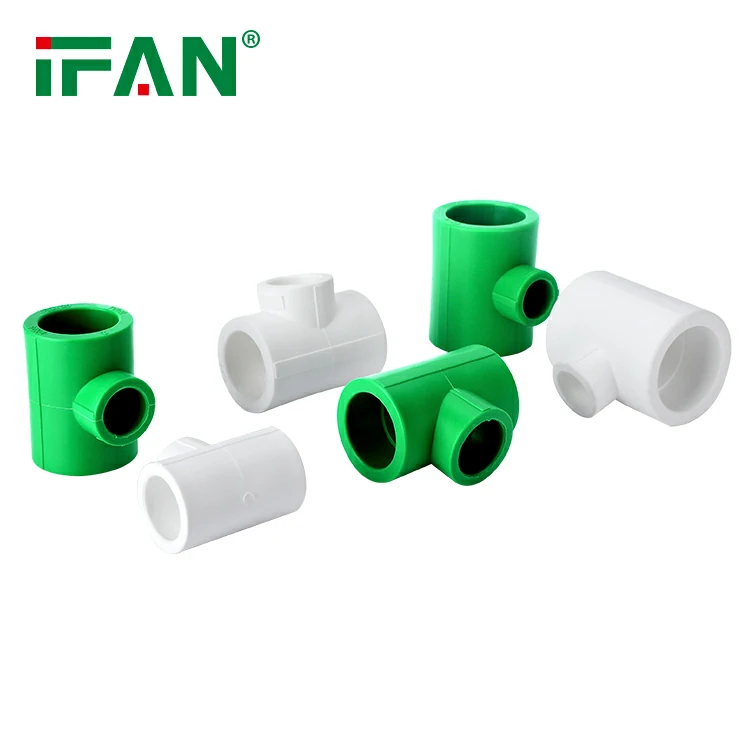
PPR fittings are plastic connectors used in plumbing systems to join PPR pipes. Known for their thermal stability, chemical resistance, and long lifespan, these fittings are widely used in:
- Residential hot/cold water supply
- Industrial fluid transport
- Medical-grade clean piping
- Food-grade manufacturing environments
The fusion-welding process used in installation creates leak-free, hygienic joints, making PPR fitting systems ideal for sensitive environments.
Why Study PPR Fitting with Antimicrobial Additives?
While PPR is naturally resistant to corrosion and scaling, it does not inherently prevent microbial colonization on its surface—especially in stagnant water systems or warm environments. Hospitals and laboratories often face risks of biofilm formation, which can harbor pathogens or alter water purity.
The integration of TMP (Trimethoprim)—a known antibacterial compound—into the matrix of a PPR fitting offers a promising approach to:
- Prevent bacterial adhesion
- Disrupt biofilm formation
- Improve the microbial safety of potable and process water
Experimental Highlights: MIC Determination
The MIC (Minimum Inhibitory Concentration) test evaluates the lowest concentration of TMP in the modified PPR fitting that inhibits bacterial growth. In this case, the test subject was Bdellovibrio bacteriovorus, a predatory bacterium known for its interaction with other Gram-negative bacteria.
OD600 Measurements
Optical density (OD) at 600nm was recorded to quantify bacterial growth in media exposed to TMP-treated PPR fitting surfaces. Results demonstrated:
- Dose-dependent inhibition of bacterial proliferation
- TMP surface leaching remained within safe limits for human contact
- No significant alteration in PPR mechanical properties post-modification
Material Integrity
Post-assay examination confirmed that TMP inclusion did not compromise the heat fusion capability or structural integrity of the PPR fitting.
Implications for Industry
With growing awareness of Legionella, Pseudomonas, and other waterborne pathogens, antimicrobial PPR fittings could revolutionize:
- Hospital plumbing infrastructure
- Pharmaceutical manufacturing clean rooms
- Food and beverage processing lines
- Public facility restrooms
- Elder-care and nursery water systems
Adopting such innovations means safer, cleaner environments—especially in closed-loop systems with elevated moisture and heat.
Benefits of TMP-Enhanced PPR Fittings
- ✅ Antimicrobial protection against Gram-negative bacteria
- ✅ Sustained release of antimicrobial agents over time
- ✅ Safe for potable water (pending toxicological approvals)
- ✅ No corrosion, chemical resistance maintained
- ✅ Same installation method and lifespan as regular PPR fittings
This makes TMP-treated PPR fittings an ideal upgrade for industries where hygiene is mission-critical.
Borealis and Antimicrobial R&D
Industry leaders like Borealis are investing in advanced formulations that include:
- Nano-silver, zinc oxide, or TMP-based compounds
- Development of DIN- and ISO-compliant antimicrobial PPR fittings
- Collaboration with medical and research institutions for field trials
This cross-disciplinary work merges materials science, microbiology, and public health engineering.
Conclusion
As infrastructure demands increase and hygiene standards rise, the plumbing industry must evolve. The experimental evaluation of TMP-infused PPR fittings—as seen in MIC studies against B. bacteriovorus—indicates a strong potential for smart, antimicrobial piping systems.
Future-ready buildings, hospitals, and industrial plants can greatly benefit from such innovations. PPR fitting technology is no longer just about durability—it’s about defense, health, and hygiene.
Frequently Asked Questions (FAQ)
1. What is TMP in PPR fittings?
TMP (Trimethoprim) is an antibacterial agent that, when integrated into PPR fittings, helps inhibit bacterial growth on pipe surfaces.
2. Is antimicrobial PPR safe for drinking water?
Pending regulatory approval, TMP-based fittings are being designed to meet potable water safety standards and release antimicrobials within controlled limits.
3. Can TMP change the mechanical properties of PPR?
In controlled concentrations, TMP does not significantly affect the thermal or structural performance of PPR fittings.
4. What types of bacteria can this system inhibit?
Primarily Gram-negative bacteria, such as E. coli, Pseudomonas aeruginosa, and B. bacteriovorus, are targeted in current research.
5. Are antimicrobial PPR fittings commercially available?
Some prototype products exist, and wider commercial availability is expected as testing and certifications progress.