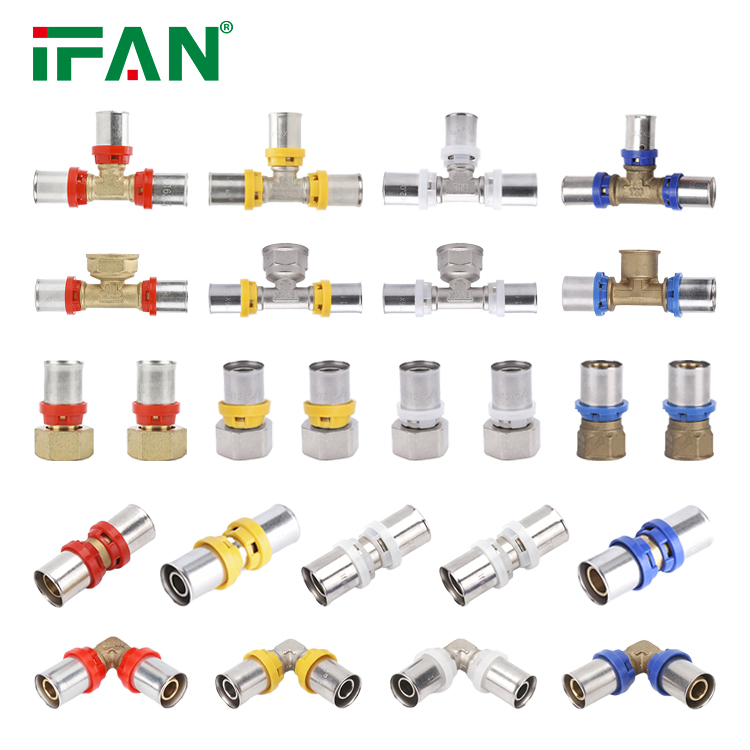
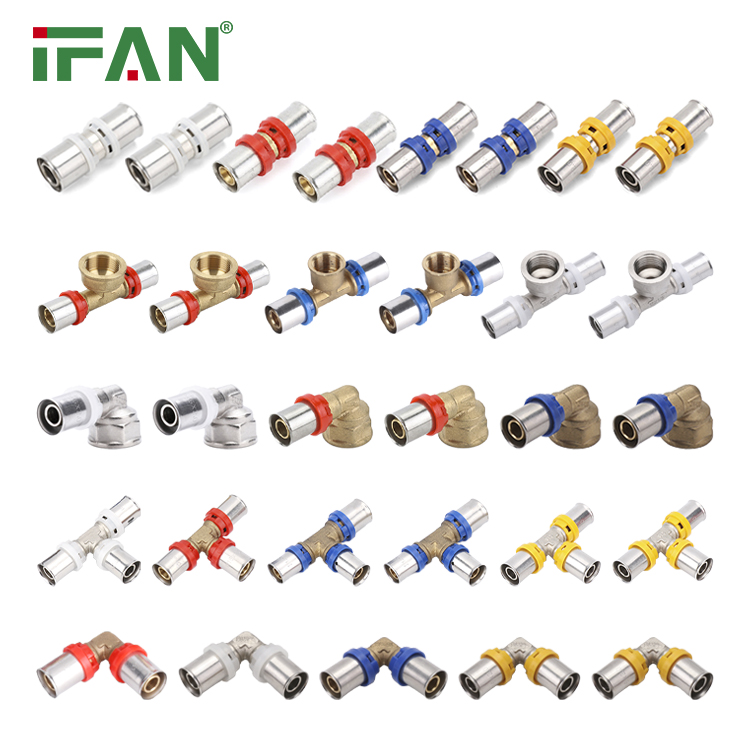
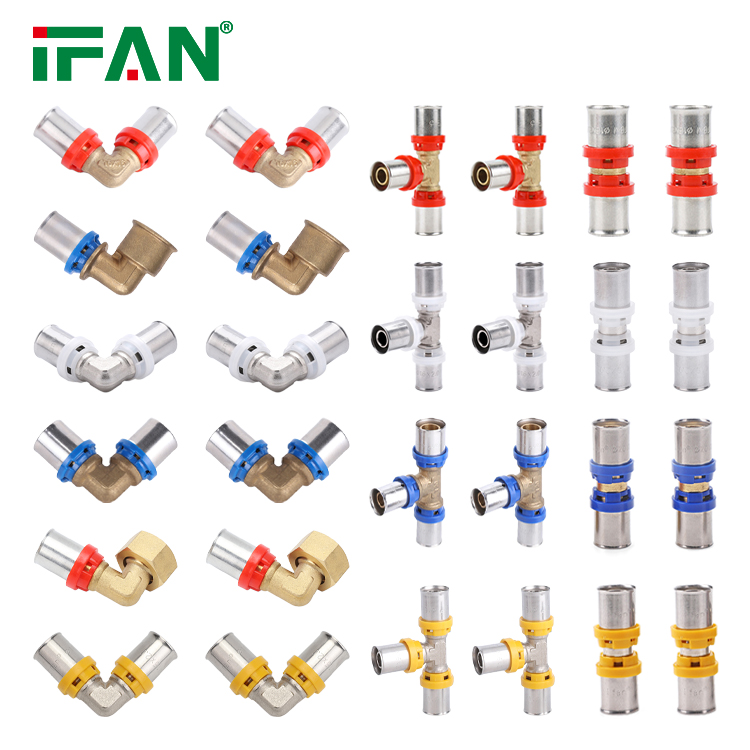
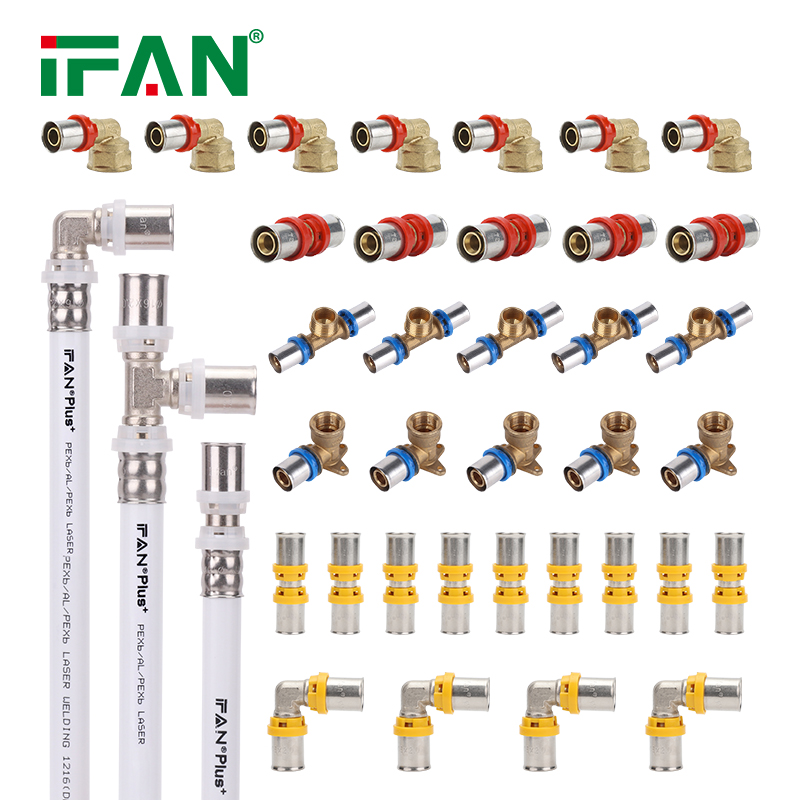
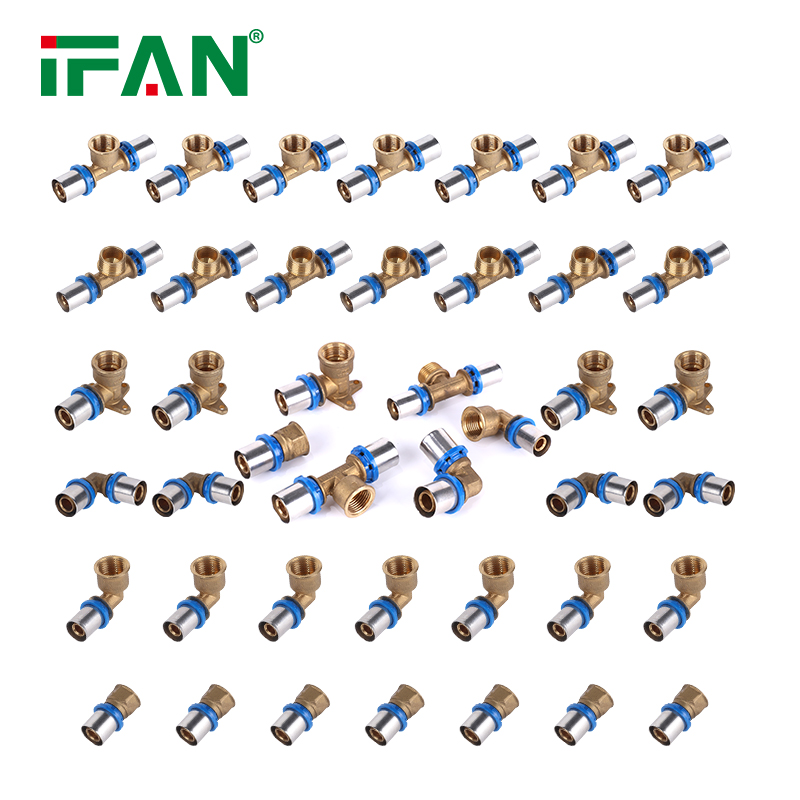
When it comes to reliable plumbing systems for both residential and commercial use, PPR fittings combined with brass pipe fittings offer an efficient and long-lasting solution for cold and hot water feeding. These materials are increasingly popular due to their durability, corrosion resistance, and ease of installation. In this article, we’ll explore the benefits of using PPR fittings, the compatibility with brass fittings, and how this combination enhances water systems.
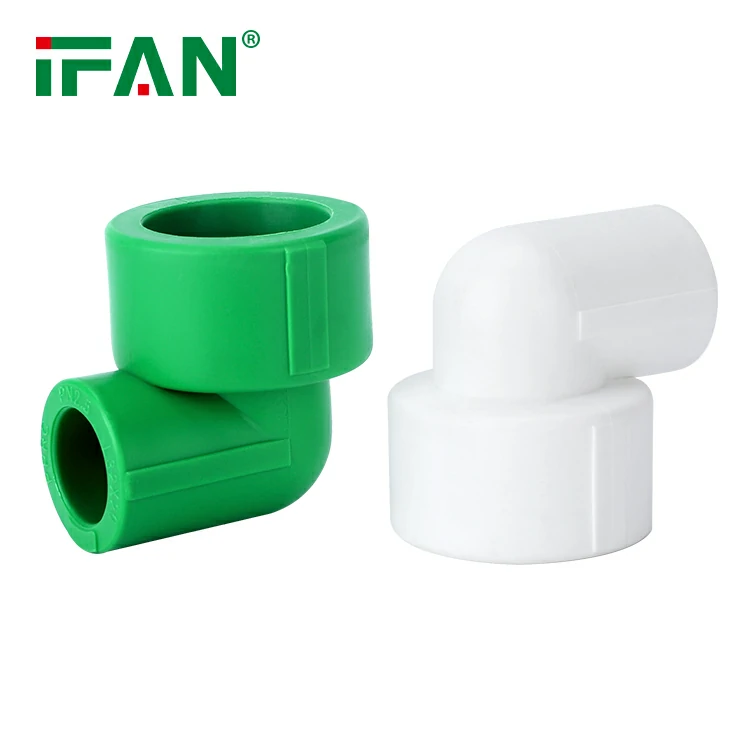
What Are PPR Fittings?
PPR (Polypropylene Random Copolymer) fittings are thermoplastic connections used in piping systems. They are widely adopted for plumbing installations due to their resistance to high pressure and temperature. PPR fittings are usually joined with PPR pipes using heat fusion welding, which ensures leak-free connections.
Advantages of PPR Fittings
- Corrosion Resistance: PPR is non-reactive to most chemicals and does not corrode or scale.
- Durability: Can last over 50 years with proper installation.
- Thermal Insulation: Low thermal conductivity helps maintain water temperature.
- Eco-Friendly: Non-toxic and recyclable.
- Ease of Installation: Lightweight and easily weldable using fusion techniques.
Brass Pipe Fittings: The Perfect Match
Brass pipe fittings are widely used in plumbing for their strength, malleability, and resistance to corrosion. They are especially ideal for joining metal components to plastic systems like PPR.
Benefits of Brass Fittings in PPR Systems
- Mechanical Strength: Provides robust connection points, especially for threaded joints.
- Temperature Tolerance: Works efficiently under both high and low temperatures.
- Longevity: Brass components often outlast plastic fittings under mechanical stress.
- Adaptability: Allows integration of PPR piping into existing metal systems.
Cold and Hot Water Applications
PPR fittings are designed to handle both cold and hot water applications, making them perfect for entire plumbing systems.
- Cold Water Feeding: PPR maintains integrity under low temperatures without becoming brittle.
- Hot Water Feeding: PPR can withstand temperatures up to 95°C, making it ideal for hot water supply lines.
When combined with brass fittings, the system benefits from additional structural stability in high-stress areas, such as connections to valves, faucets, and water heaters.
How to Use PPR and Brass Fittings Together
To successfully integrate PPR fittings with brass pipe fittings, follow these key steps:
- Select compatible fittings: Use brass female or male threaded fittings that can connect to PPR adaptors.
- Fusion welding: Weld PPR pipe to the plastic end of the PPR-brass combination fitting using a socket fusion tool.
- Thread sealing: Use Teflon tape or thread sealant when connecting brass to ensure a leak-proof joint.
- Pressure test: Always test the system after installation to verify the seal and ensure there are no leaks.
Why Choose PPR Fittings with Brass?
The hybrid system of PPR fittings and brass pipe fittings is especially suitable for modern plumbing needs. It provides a balance of flexibility, safety, and longevity. Whether you’re installing a new water system or upgrading an old one, this combination offers an optimal solution for long-term performance.
- Ideal for both residential and commercial use
- Reduces maintenance costs
- Withstands extreme temperature variations
- Prevents contamination and preserves water quality
SEO Key Takeaways
- PPR fittings are essential in modern water systems.
- Brass fittings add strength and adaptability to PPR plumbing.
- This combination is excellent for both cold and hot water feeding.
- PPR fittings with brass connectors ensure a leak-proof, durable, and eco-friendly plumbing system.
Frequently Asked Questions (FAQ)
1. Are PPR fittings suitable for both hot and cold water?
Yes, PPR fittings are designed to handle temperatures from 0°C to 95°C, making them ideal for both hot and cold water systems.
2. Can PPR fittings be connected directly to metal pipes?
Not directly. A brass adapter or a PPR-brass combination fitting should be used for secure and leak-proof transitions.
3. How long do PPR and brass fittings last?
With proper installation and regular maintenance, they can last up to 50 years or more.
4. Is it safe to use PPR fittings for drinking water?
Yes, PPR is non-toxic and certified safe for potable water applications.
5. Do PPR fittings require special tools for installation?
Yes, a socket fusion welding tool is needed to properly join PPR pipes and fittings.