PPR Pipe and Fittings: The Perfect Solution for Safe and Hygienic Plumbing Systems
Introduction:
In the world of plumbing, safety and hygiene are two of the most important factors which must be taken into account. When it comes to choosing the right products to use in a plumbing system, PPR Pipe and fittings are the perfect solution. In this article, we will take a closer look at these products, and highlight their many benefits and advantages.
What is PPR Pipe?
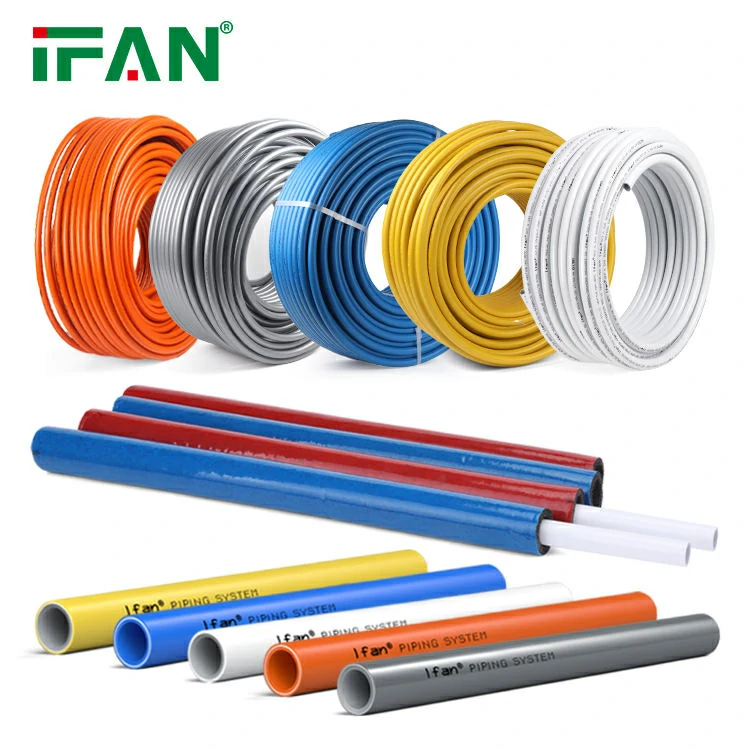
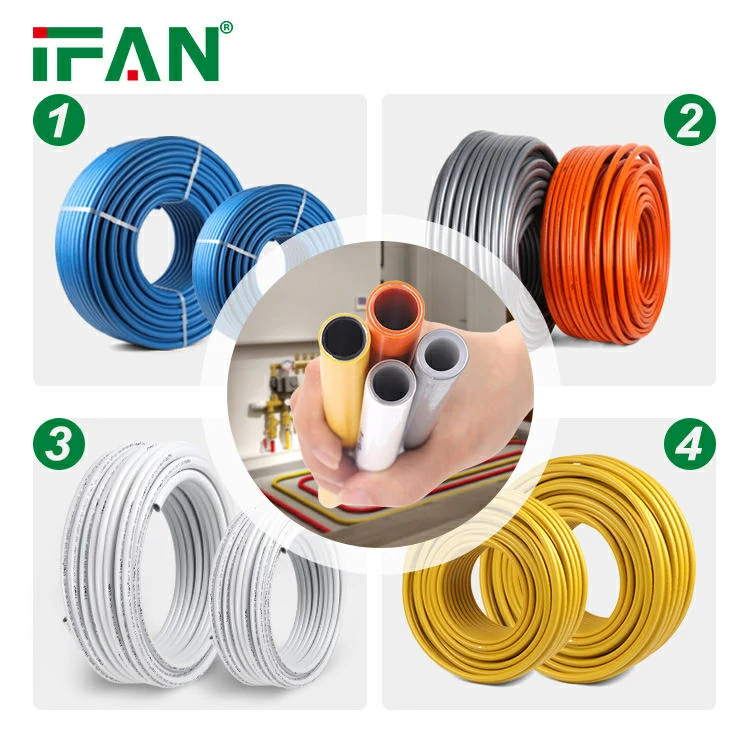
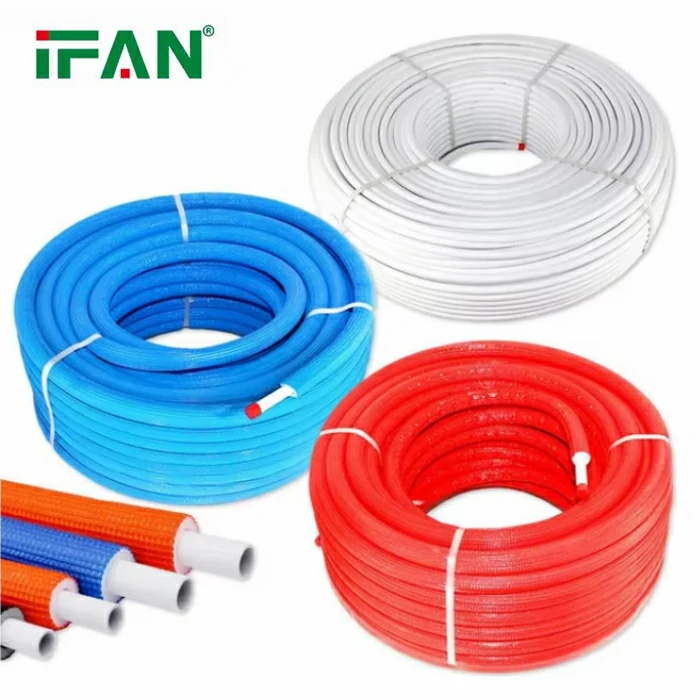
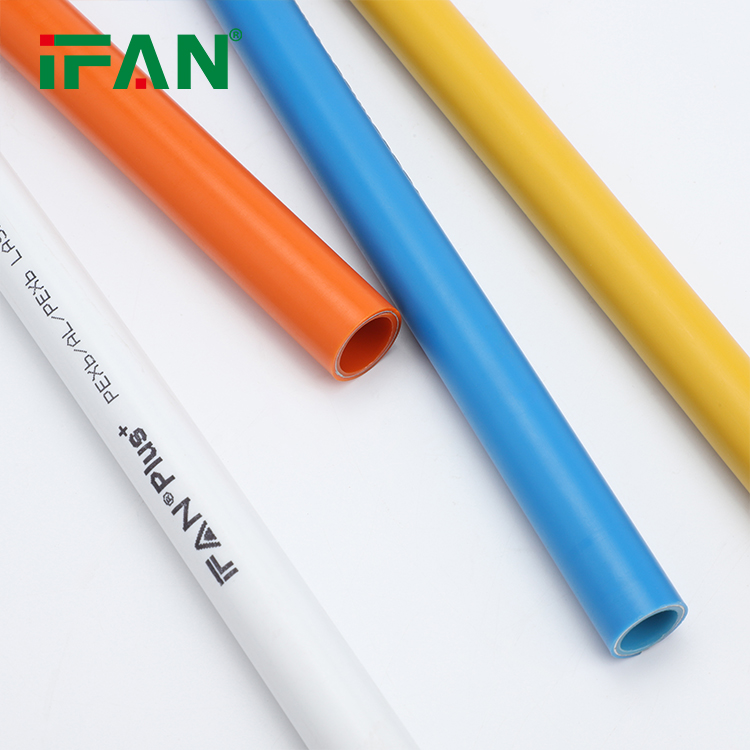
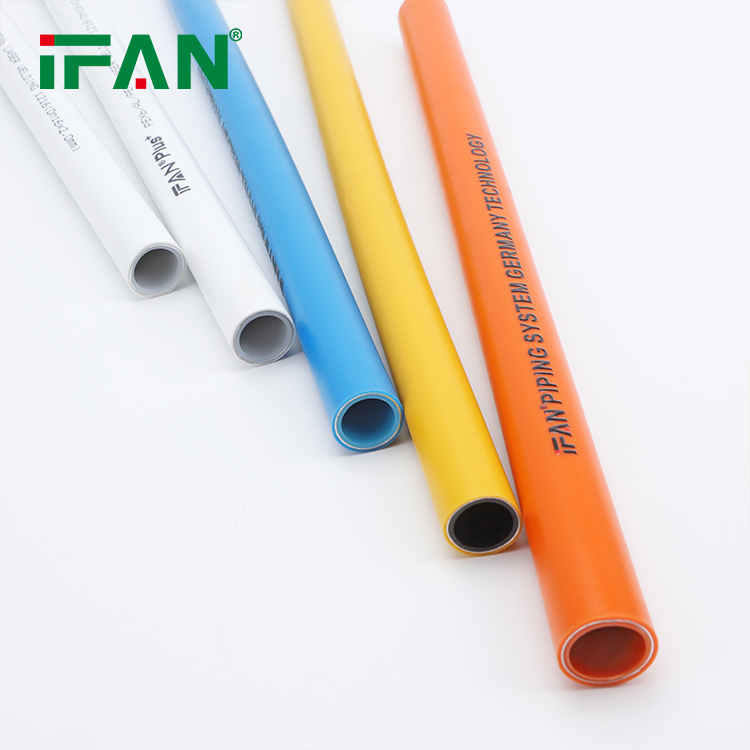
PPR Pipe stands for polypropylene random copolymer pipes. They are a type of plastic pipe made from a combination of propylene and ethylene. PPR pipes are known for their durability, strength, and resistance to high temperatures and pressure. They are also highly resistant to chemicals, making them an ideal choice for use in the plumbing industry.
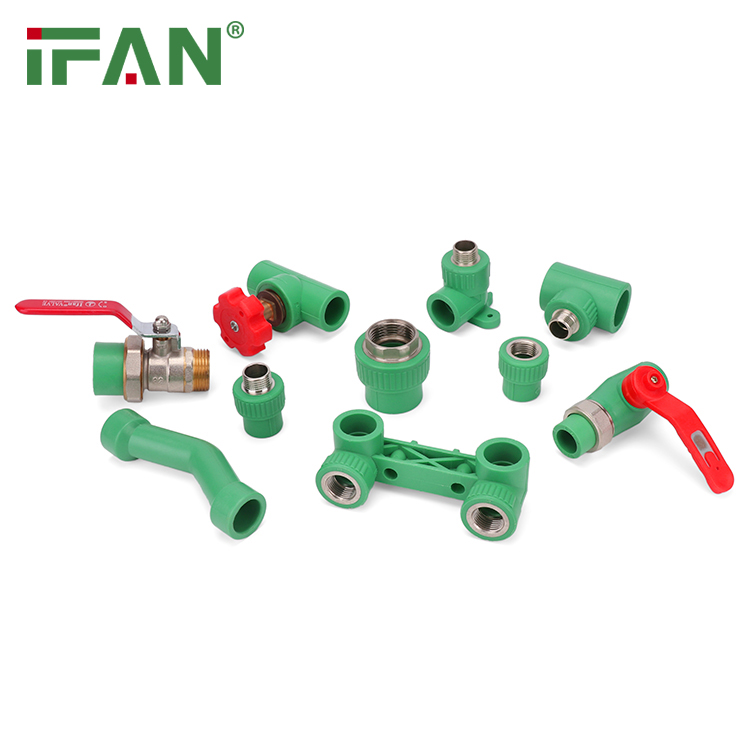
What Are PPR Fittings?
PPR fittings are the connectors and joints which are used to connect PPR pipes. These fittings are made from the same high-quality material as PPR pipes, and are designed to fit snugly and securely, without the need for any glues or solvents.
Why Choose PPR Pipe and Fittings?
There are many reasons why PPR Pipe and Fittings are the best choice for plumbing systems. Here are just a few of the key benefits and advantages:
- Safe and Hygienic: PPR Pipe and Fittings are non-toxic and do not contain any harmful chemicals. They are also highly resistant to corrosion and bacterial growth, making them the perfect choice for use in water supply systems.
- Durable and Long-Lasting: PPR Pipe and Fittings have a long lifespan and are highly resistant to wear and tear. They are also easy to install and maintain, making them a cost-effective solution for plumbing systems.
- Versatile and Flexible: PPR Pipe and Fittings are highly versatile and can be used in a wide range of applications, including hot and cold water supply, heating systems, and even gas installations.
- Environmentally Friendly: PPR Pipe and Fittings are made from eco-friendly materials, which are recyclable and non-toxic. Using these products in plumbing systems is an excellent way to reduce your carbon footprint and promote sustainability.
How to Choose PPR Pipe and Fittings?
When choosing PPR Pipe and Fittings for your plumbing system, there are a few key factors to consider:
- Quality: It is important to choose high-quality PPR Pipe and Fittings that are designed to meet industry standards. Look for products that are certified by relevant authorities and have a long track record of reliability.
- Compatibility: Ensure that the PPR Pipe and Fittings you choose are compatible with your existing plumbing system. Consult with a professional plumber if you are unsure.
- Cost: Price is always a consideration when choosing plumbing products, but it is important to balance cost with quality and durability. Choose a supplier who offers competitive pricing without compromising on quality.
Conclusion:
PPR Pipe and Fittings are the perfect solution for safe and hygienic plumbing systems. They offer a range of benefits and advantages which make them the best choice for any plumbing application. When choosing PPR Pipe and Fittings, always consider factors such as quality, compatibility, and cost to ensure that you get the best possible products for your plumbing system.