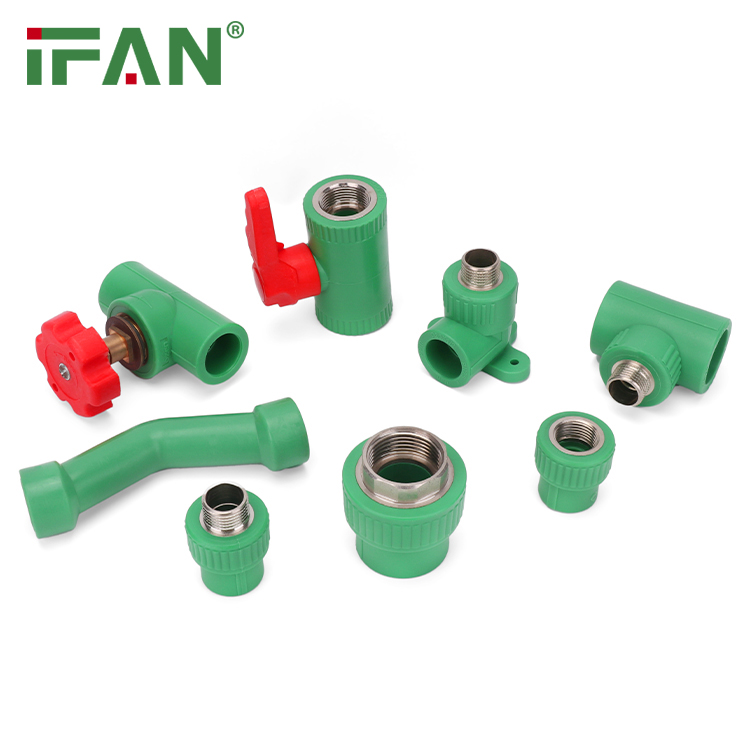
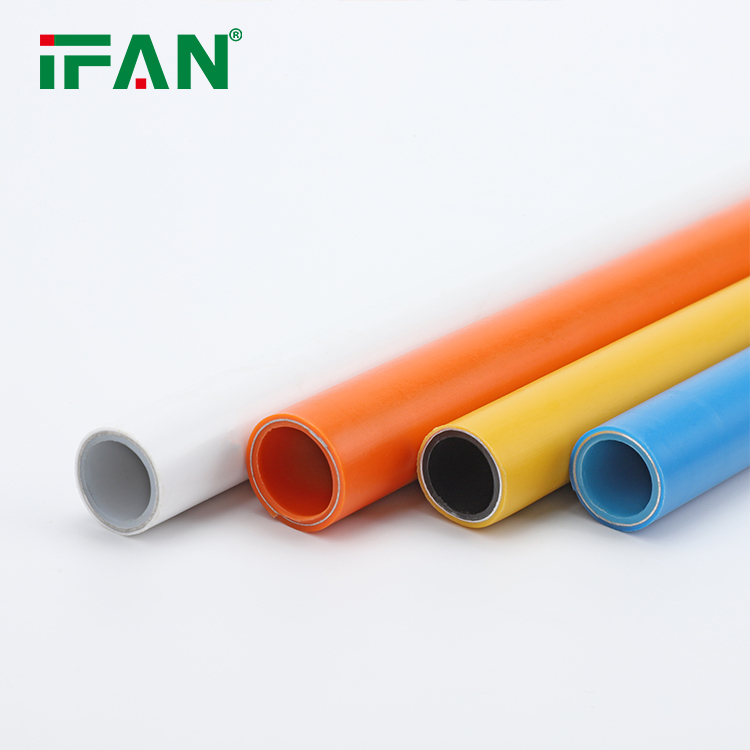
PPR pipe fittings have revolutionized modern plumbing solutions with their exceptional durability, strength, and versatility. Polypropylene Random Copolymer (PPR) is a thermoplastic material that is widely preferred for plumbing applications because of its unique properties. PPR pipe fittings are extensively used for hot and cold water supply systems, as well as for industrial and agricultural applications.
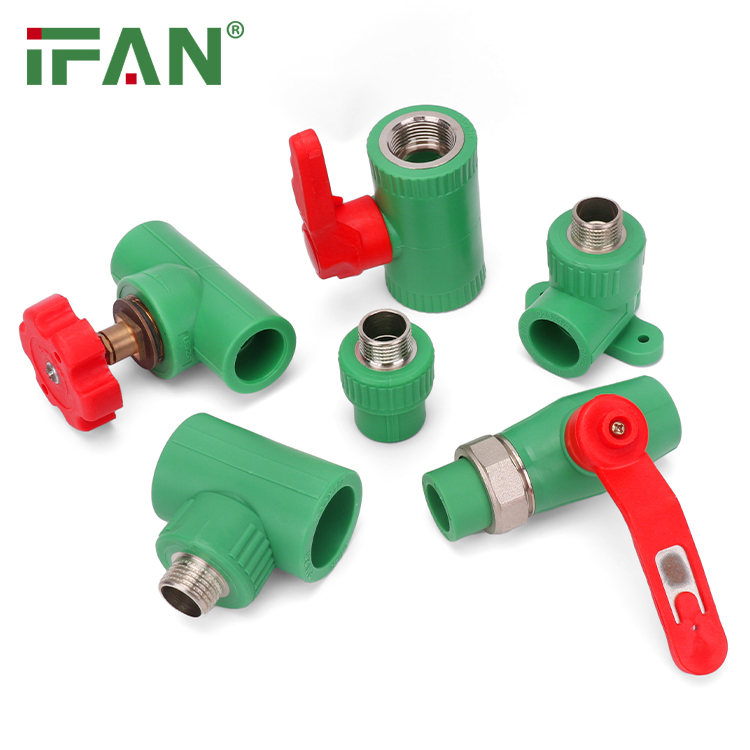
One of the significant advantages of using PPR pipe fittings is their excellent resistance to high temperatures and excellent chemical stability. PPR pipes can withstand temperatures up to 95°C, making them ideal for hot water applications. The material is also resistant to corrosion, which means that PPR pipes are less likely to leak or develop cracks over time. This durability and corrosion-resistant nature of PPR pipe fittings make them a better choice than traditional plumbing materials like copper or PVC.
Another advantage of PPR pipe fittings is their flexibility and ease of installation. The material can be easily and quickly molded, cut, and joined without the need for expensive specialized tools. PPR pipes also have a lower coefficient of friction, which means that they allow water to flow with ease and don’t slow down water pressure. This makes PPR pipes a more efficient plumbing solution than traditional materials like PVC, which can be more prone to clogging and slower water flow.
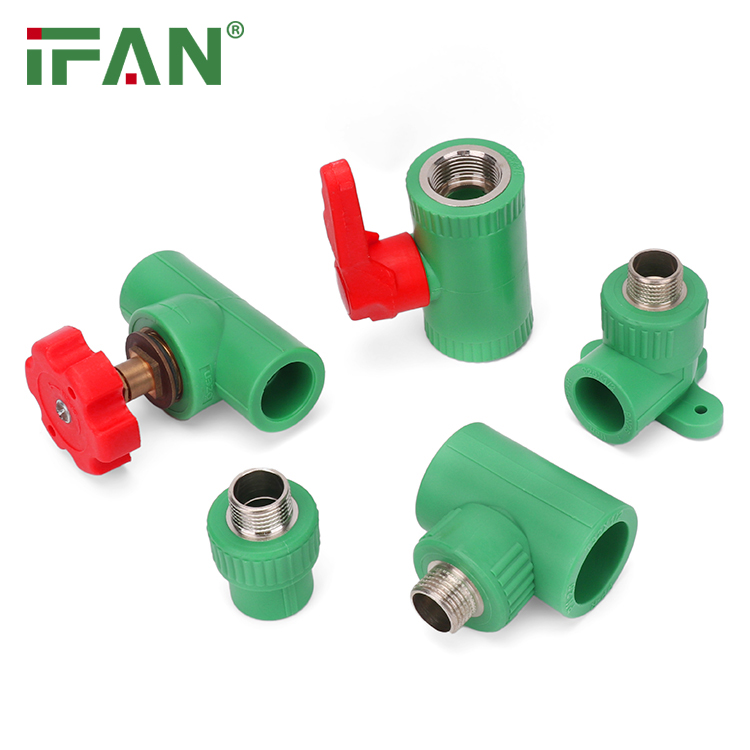
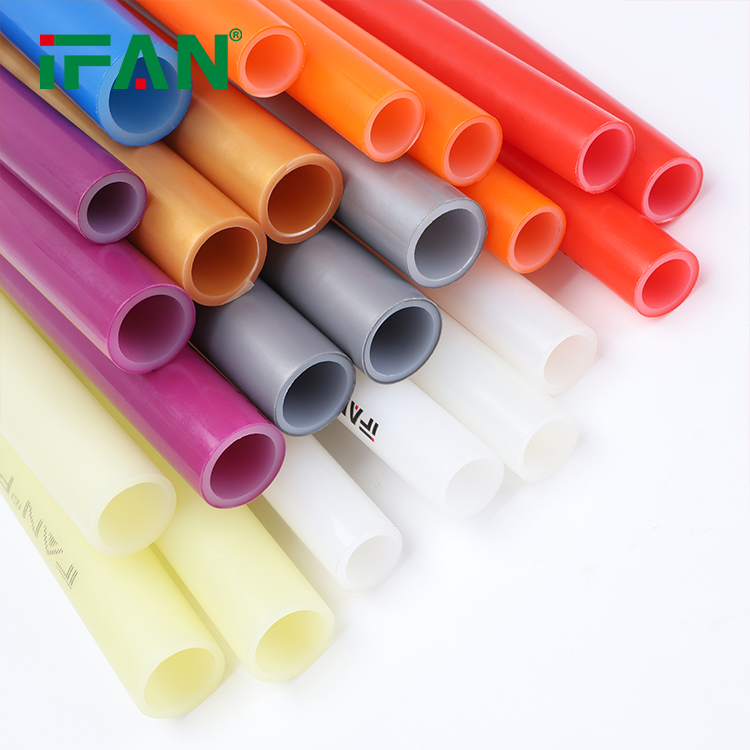
PPR pipe fittings come in a wide range of shapes and sizes, making them suitable for various applications, from residential plumbing to large industrial projects. They are also available in different colors, which makes it easy to identify water supply lines specifically for hot and cold water systems. PPR pipe fittings are also environmentally-friendly, as they can be reused, recycled, and do not emit harmful chemicals during production.
Overall, PPR pipe fittings are a better choice for modern plumbing solutions. They offer unmatched durability, strength, and versatility, making them ideal for a wide range of applications, including residential, commercial, and industrial settings. Their ease of installation, low maintenance, and eco-friendliness make them a top choice for builders, plumbers, and homeowners looking for a high-quality, long-lasting plumbing solution. So, it’s time to switch to PPR pipe fittings and reap the benefits that come with this modern plumbing solution.