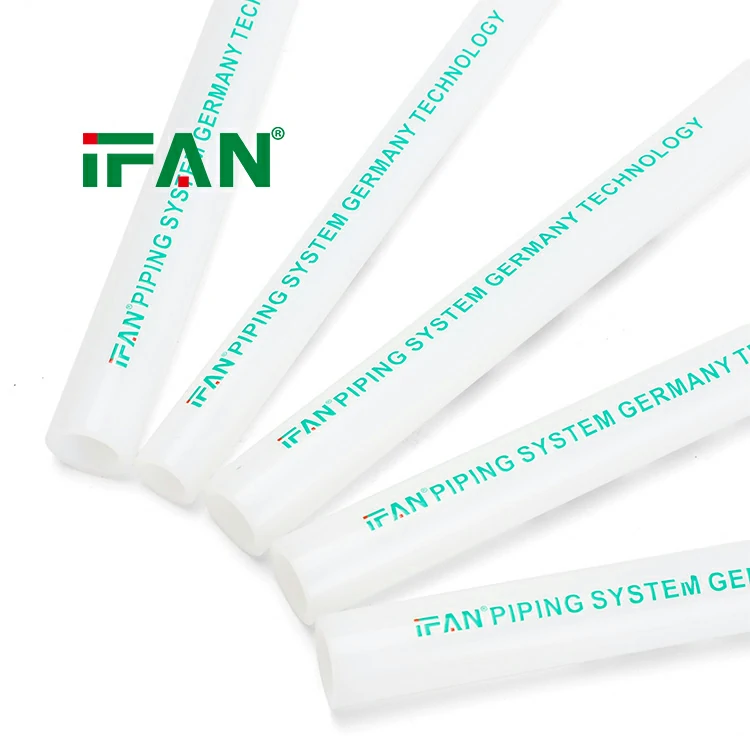
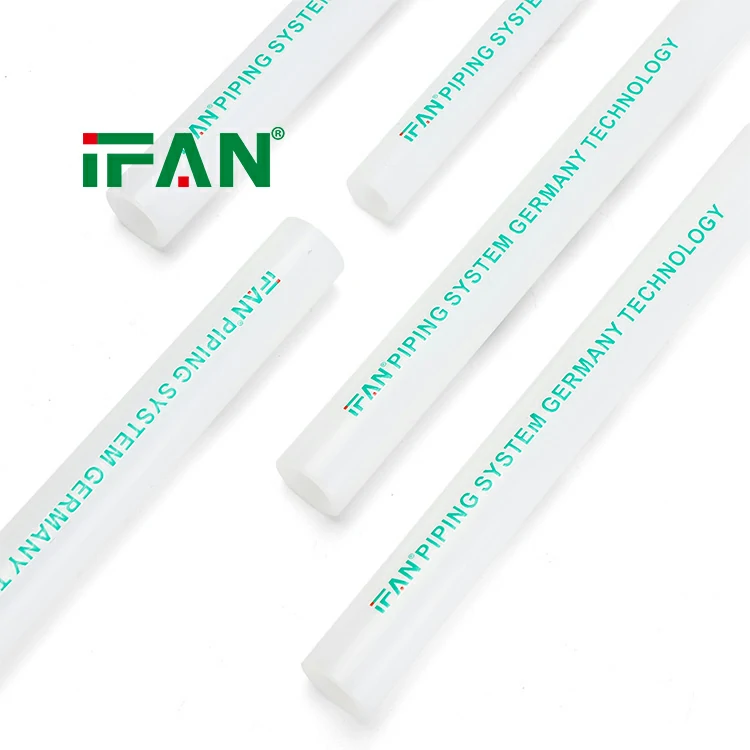
The Advantages of Using PPR Pipe Fittings in Plumbing Systems
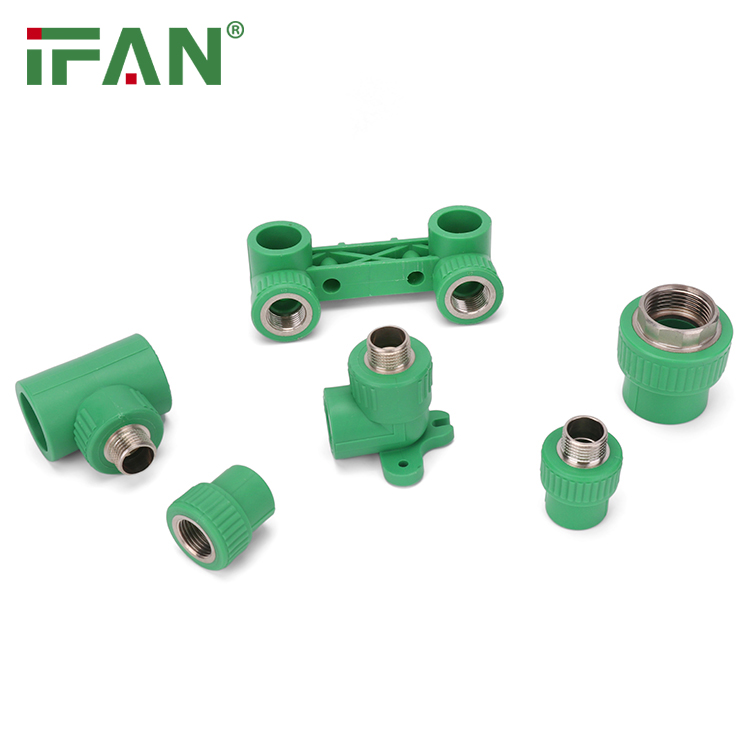
In today’s world, plumbing systems serve a crucial role in the smooth functioning of society. The reliability and safety of these systems are imperative, and as such, the choice of piping material used is essential. PPR pipe fittings are among the most popular and reliable plumbing materials used for hot and cold water supply systems, and here are a few reasons why:
Chemical and Corrosion Resistance
PPR pipe fittings are made of polypropylene, which is highly resistant to chemical corrosion. This feature makes the fittings perfect for plumbing systems since they are often exposed to chemicals such as acids and alkalis. The fittings support the safe flow of chemically treated water, and they are also resistant to corrosion, ensuring that the pipes do not wear down quickly. This advantage is especially useful in commercial and residential water supply systems since they require long-lasting pipes that are safe to use.
Heat and Sound Insulation
PPR pipe fittings have excellent heat insulation properties that make them conducive for use in hot water supply systems. They can withstand temperatures of up to 194°F and are suitable for use in temperature ranges for hot and cold water. Besides being ideal for hot water supplies, PPR pipe fittings are also excellent in noise reduction as they do not transmit sound like other plumbing materials. This insulation feature is an advantage in commercial and residential buildings that require reduced noise levels.
Low-Maintenance Costs
PPR pipe fittings are low maintenance and offer excellent durability, making them a budget-friendly option for building owners who require reliable plumbing systems. With time, PPR pipe fittings’ surfaces do not corrode, crack, or leach, which limits the possibility of plumbing system failure that can lead to costly repairs and replacements. This low-maintenance nature is a benefit for those who require plumbing systems to function efficiently with minimal upkeep.
Environmental Friendly
PPR pipe fittings are environmentally friendly due to their recyclable nature and the fact that they do not emit toxic fumes or chemicals, ensuring the safety of the installers and end-users. When disposed of, PPR pipe fittings do not contribute to environmental pollution, making it an eco-friendly option for sustainability-minded building owners.
Conclusion
PPR pipe fittings offer numerous benefits for those seeking durable, reliable, and cost-effective plumbing systems. They are resistant to chemical corrosion, heat and sound insulation, low maintenance, and eco-friendly, making them an excellent choice for commercial and residential buildings. For those looking to install or replace their plumbing systems, choosing PPR pipe fittings is a wise decision that ensures reliability, safety, and cost-effectiveness.
IFAN factory started in 1993. And IFAN has workshop 120000 square meter with 610 staff. IFAN can design and produce all plumbing pipe and fitting include PPR,PVC,CPVC PPSU HDPE PEXA PEXB PERT pipe and fitting ,brass fitting, brass ball valve ,heating system , gas system , sanitary faucets and hose, In the past 30 Years, IFAN has never forgotten his mission-To protect health and safety. And IFAN factory use best materials to produce high quality pipe and fittings with automatic production line and high tech quality control machines. The most important,IFAN can guarantee that all pipes and fittings manufactured by IFAN are qualified.
Free Sample(Click Here to Get Free Sample)