Introduction
The growing demand for high-quality, durable, and cost-effective plumbing solutions has led to significant investments in manufacturing facilities for PPR (Polypropylene Random Copolymer) fittings. A recent milestone in this trend has been the inauguration of a new PPR fittings system factory, built with an investment of 14.5 million USD. This new facility is poised to revolutionize the production of PPR fittings, particularly pipe press fittings, offering enhanced production capacity, innovative technology, and a stronger focus on sustainability. In this article, we explore the significance of this new factory, how it will impact the PPR fittings market, and the broader implications for the plumbing industry.
What Are PPR Fittings?
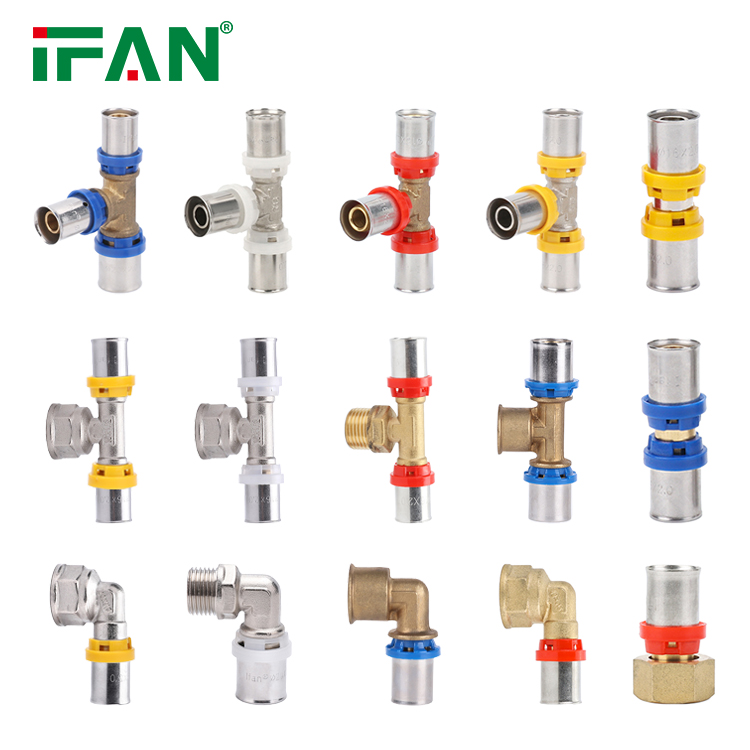
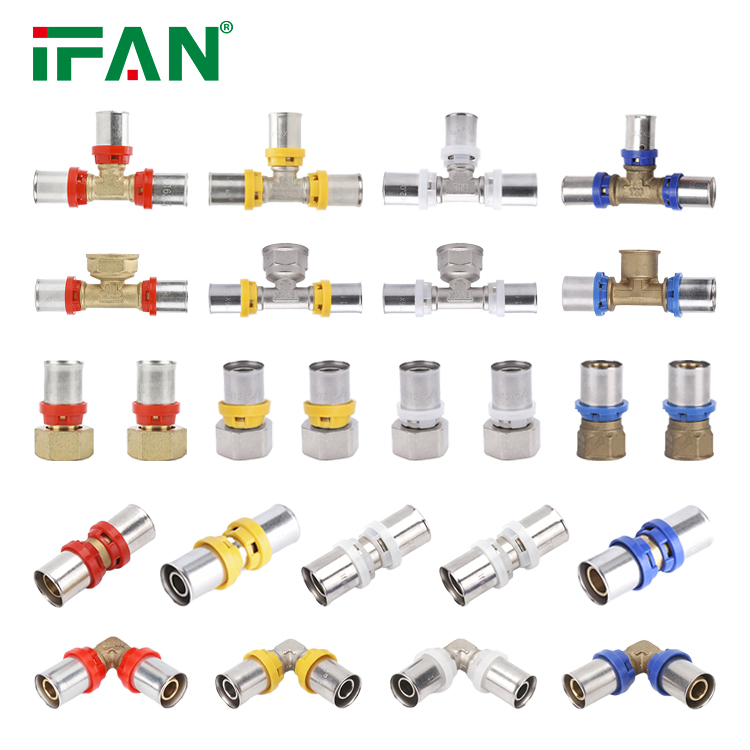
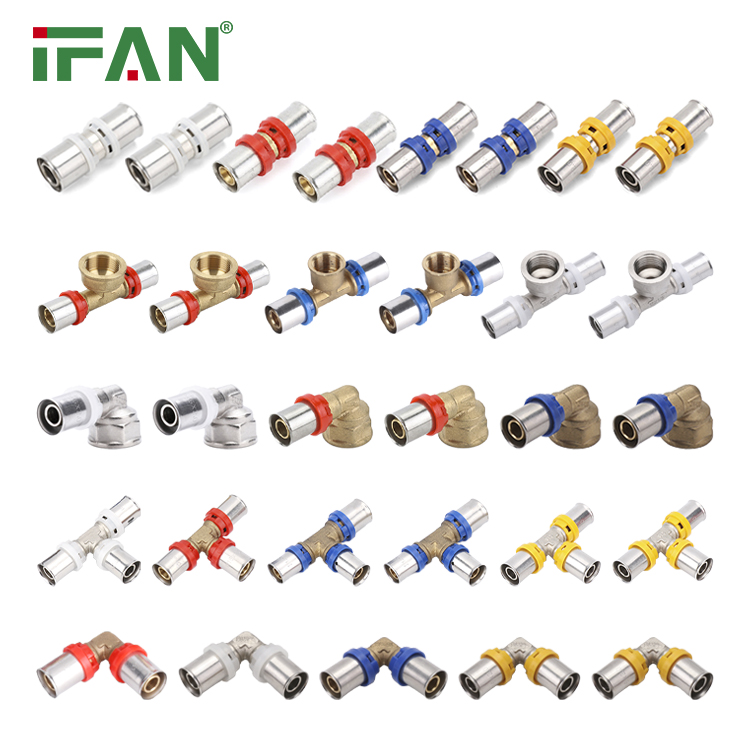
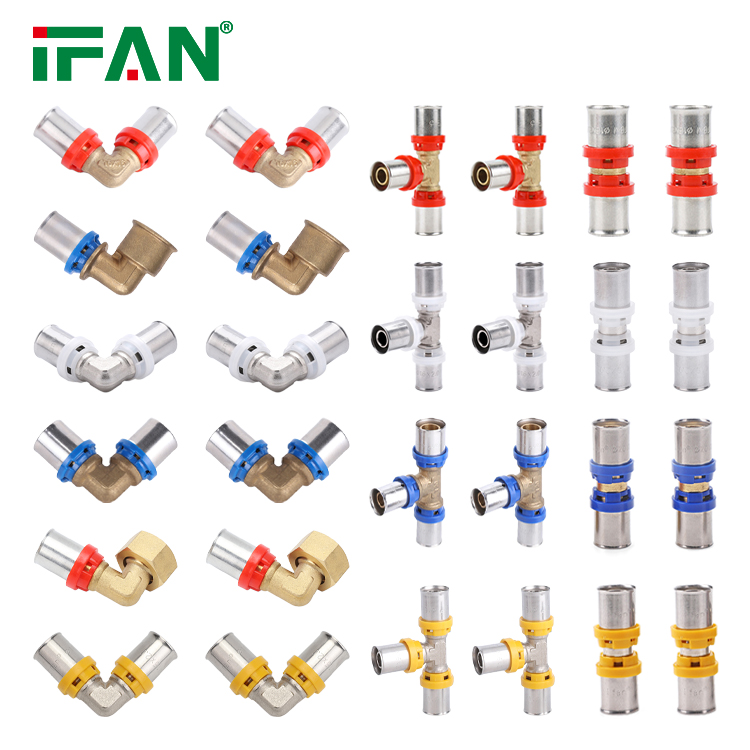
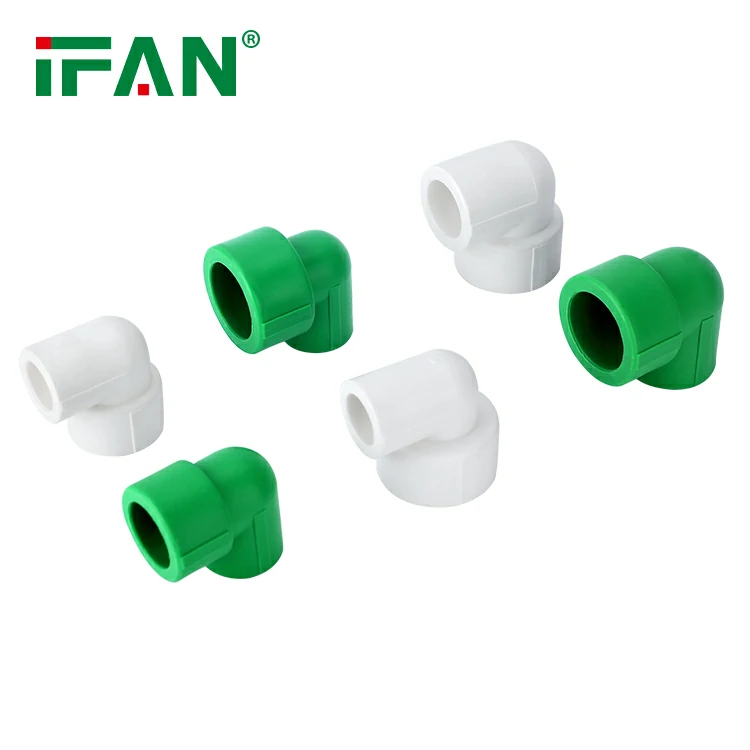
PPR fittings are essential components used in modern plumbing systems for the distribution of hot and cold water. Made from Polypropylene Random Copolymer, these fittings are prized for their durability, resistance to heat, pressure, and corrosion, making them ideal for residential, commercial, and industrial plumbing applications. PPR fittings come in various forms, including elbows, tees, couplings, and valves, which allow for the creation of flexible, durable, and long-lasting piping systems.
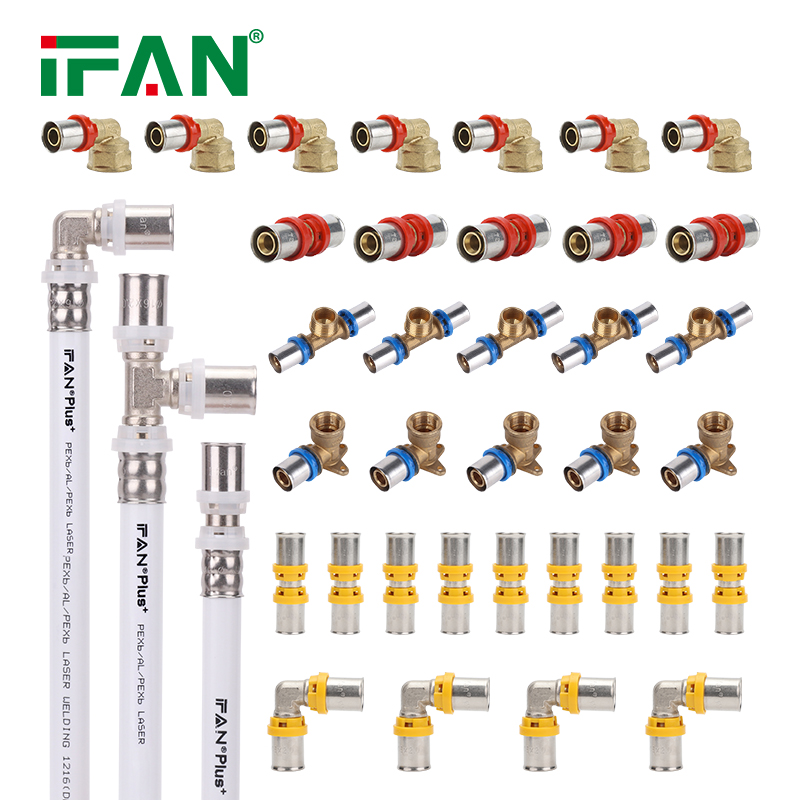
Pipe press fittings, a specific type of PPR fitting, have grown increasingly popular due to their easy installation process. Unlike traditional fittings that require welding or threading, pipe press fittings can be installed using a specialized pressing tool, creating a reliable and leak-proof connection. This feature significantly reduces installation time and costs, making PPR pipe press fittings the go-to choice for plumbing contractors and builders.
The 14.5 Million USD Investment: A Game Changer for the Industry
The inauguration of the new PPR fittings system factory with a hefty 14.5 million USD investment marks a significant milestone for the industry. This state-of-the-art facility is designed to meet the growing demand for PPR fittings, particularly in emerging markets where urbanization, infrastructure development, and sustainability concerns are driving the need for high-quality, reliable plumbing systems.
1. Increased Production Capacity
One of the key benefits of the new factory is its enhanced production capacity. As demand for PPR fittings rises globally, especially in the residential and commercial construction sectors, the need for a consistent supply of high-quality fittings is critical. With cutting-edge manufacturing equipment and a streamlined production process, this new facility is capable of producing a larger volume of fittings to meet the demands of a rapidly growing market.
By increasing production efficiency, the factory can supply PPR pipe press fittings to meet the needs of both small-scale projects and large-scale infrastructure developments. This is particularly important as many countries, especially in Asia, Africa, and the Middle East, are experiencing rapid growth in urbanization and infrastructure development, driving the demand for plumbing systems that are both efficient and durable.
2. Advanced Technology Integration
The new factory incorporates the latest advancements in manufacturing technology. Automated processes, smart quality control systems, and precision machinery ensure that each PPR fitting produced meets stringent industry standards for durability, safety, and performance. Automation reduces human error and enhances the consistency and quality of the fittings, while smart systems can monitor production in real-time, allowing for quicker detection of any issues that may arise during manufacturing.
Additionally, the factory has integrated a more sustainable production model, utilizing energy-efficient equipment and waste-reduction strategies. By using resources more efficiently and minimizing production waste, the factory is contributing to the global push for more environmentally friendly manufacturing practices in the plumbing industry.
3. Focus on Sustainability
Sustainability is a major focus in modern manufacturing, and this new PPR fittings factory is no exception. The plumbing industry has seen a shift toward eco-friendly materials and production methods, and this new facility is designed with that in mind. From energy-efficient machinery to the use of recyclable materials, the factory’s production process aligns with the growing demand for sustainable building practices.
PPR fittings themselves are considered environmentally friendly because they are recyclable, durable, and require fewer resources over time compared to other materials like metal or PVC. The new factory further supports this green movement by minimizing its carbon footprint and reducing waste, making it a forward-thinking leader in eco-conscious manufacturing.
Impact on the PPR Fittings Market
The opening of this new 14.5 million USD factory is set to have several positive impacts on the PPR fittings market:
1. Increased Availability of PPR Pipe Press Fittings
The new factory will significantly boost the availability of high-quality PPR pipe press fittings, which are becoming increasingly popular due to their ease of installation and reliable performance. With greater production capacity, the factory will be able to meet the growing demand for these fittings, particularly in regions with booming construction and infrastructure projects.
2. Competitive Pricing and Cost Efficiency
The new factory’s advanced manufacturing processes will lead to cost savings, which can be passed on to consumers in the form of competitive pricing. By producing fittings in larger quantities and optimizing the production process, the factory can reduce costs associated with labor, materials, and energy. This will help make PPR pipe press fittings an even more attractive option for builders, contractors, and homeowners looking for cost-effective, long-term plumbing solutions.
3. Job Creation and Economic Growth
The establishment of this factory will also contribute to local economies by creating jobs and fostering economic growth. With the increasing demand for PPR fittings globally, the factory is expected to hire a diverse workforce, including engineers, technicians, and production staff, helping to support the local economy and reduce unemployment rates.
The Future of PPR Fittings: What’s Next?
The future of the PPR fittings industry looks promising, with growing opportunities in both developed and emerging markets. The construction boom in Asia, Africa, and the Middle East, coupled with the global push for sustainability, will continue to drive demand for PPR fittings. Additionally, advancements in manufacturing technology will further improve the efficiency and quality of PPR pipe press fittings.
With the successful inauguration of this 14.5 million USD factory, manufacturers are now better equipped to meet the demand for high-quality, reliable, and cost-effective plumbing solutions, ensuring that PPR fittings remain a staple in plumbing systems for years to come.
Conclusion
The inauguration of the new PPR fittings system factory, backed by a 14.5 million USD investment, is a significant milestone in the plumbing industry. The factory’s enhanced production capacity, integration of advanced technology, and focus on sustainability are set to reshape the market for PPR fittings, especially pipe press fittings. With the growing global demand for eco-friendly and durable plumbing solutions, this new facility is perfectly positioned to meet these needs, driving innovation and ensuring a steady supply of high-quality fittings for construction projects worldwide.
FAQs
- What are PPR fittings used for?
PPR fittings are used in plumbing systems to distribute hot and cold water. They are ideal for both residential and commercial applications due to their resistance to heat, pressure, and corrosion. - What are the benefits of pipe press fittings?
Pipe press fittings are easy to install, requiring no welding or threading. The pressing tool creates a secure, leak-proof connection quickly, saving time and reducing labor costs. - How does the new factory impact the PPR fittings market?
The new factory increases production capacity, reduces costs, and improves the availability of high-quality PPR pipe press fittings. It also emphasizes sustainability in manufacturing, aligning with industry trends. - Are PPR fittings environmentally friendly?
Yes, PPR fittings are environmentally friendly because they are recyclable, durable, and require fewer resources compared to other plumbing materials like PVC or metal. The new factory also focuses on sustainable production practices. - How will the new factory create jobs?
The new factory will create numerous jobs in the local economy, including positions for engineers, technicians, production staff, and more, contributing to economic growth and reducing unemployment.