Introduction
The PPR (Polypropylene Random Copolymer) fittings market is witnessing remarkable growth, driven by advancements in plumbing technologies and increasing demand for durable, cost-effective piping solutions. As the world shifts towards more sustainable and efficient materials, PPR fittings, particularly pipe press fittings, have become an integral part of modern plumbing systems. This article provides an in-depth analysis of the PPR fittings market, highlighting key trends, market drivers, and future growth projections through 2033.
What Are PPR Fittings?
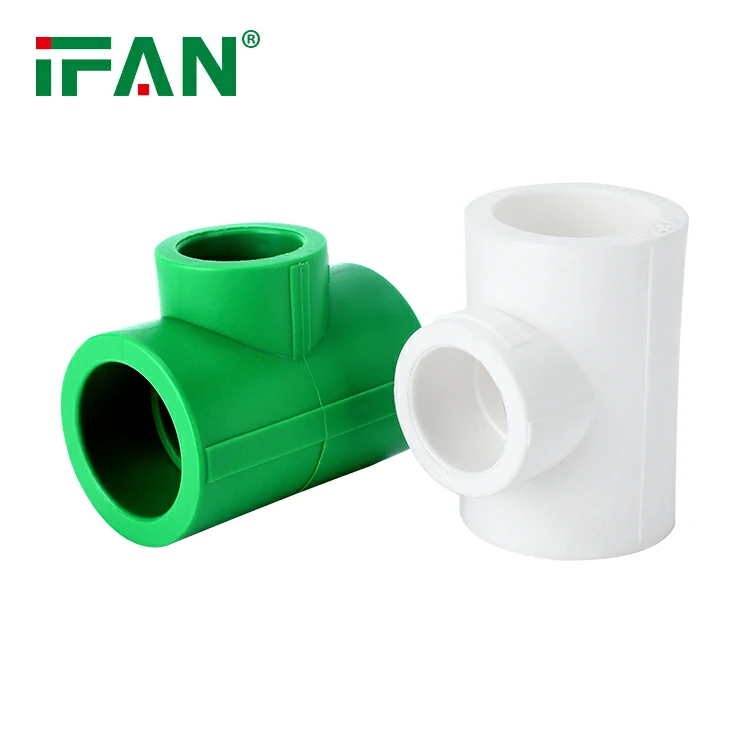
PPR fittings are essential components used in piping systems for the distribution of hot and cold water. They are made from polypropylene random copolymer, a material known for its high resistance to heat, pressure, and corrosion. These fittings are often used in both residential and industrial plumbing systems due to their durability and long service life.
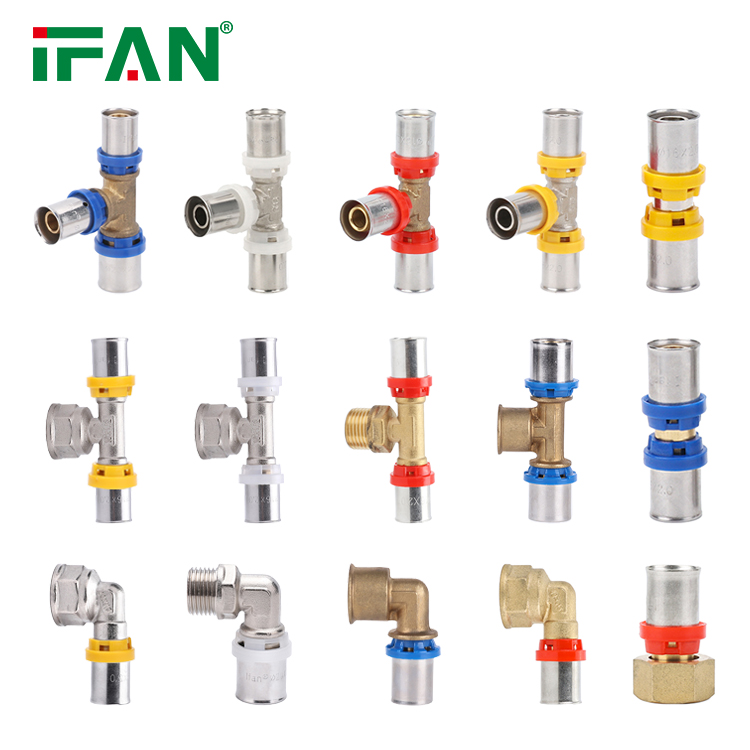
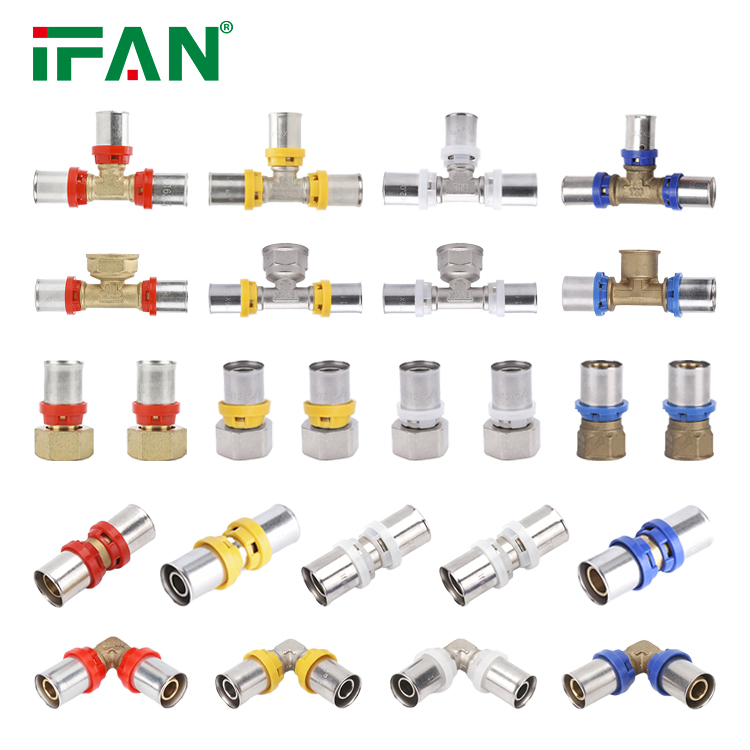
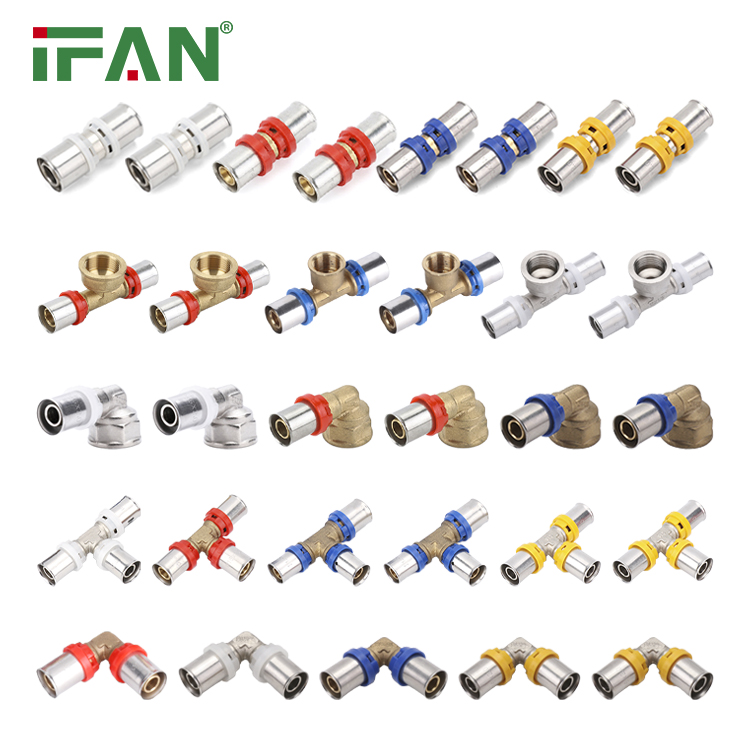
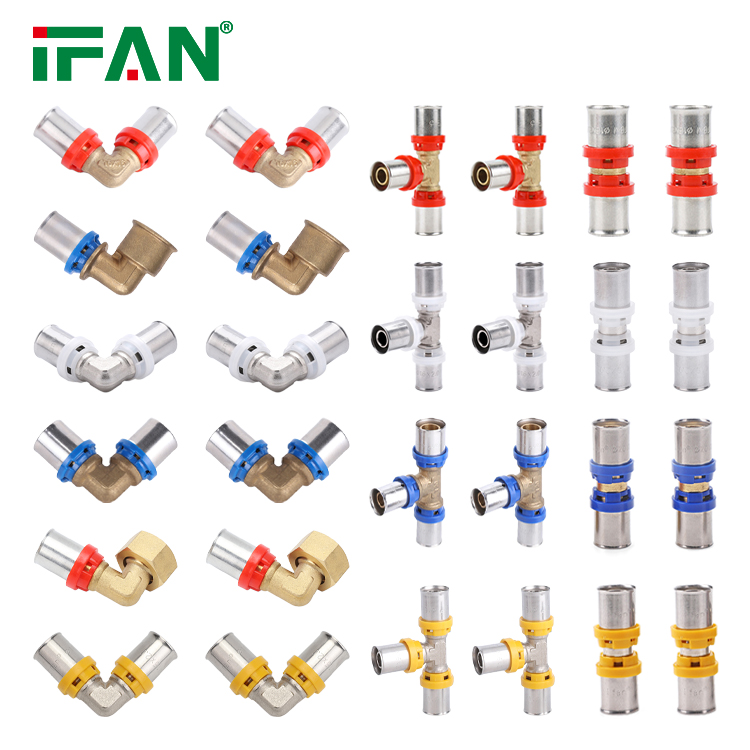
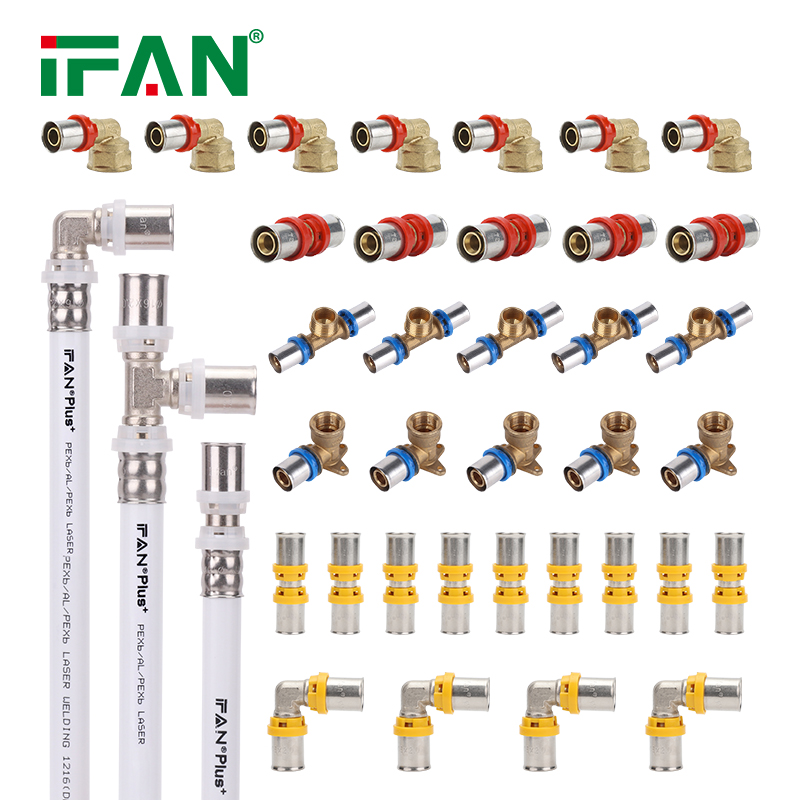
One of the primary reasons PPR fittings have become so popular is their compatibility with pipe press fittings. Pipe press fittings use a specialized tool to press the fitting onto the pipe, creating a leak-proof seal. This method is much quicker and easier than traditional welding or threading, which has contributed significantly to the growing adoption of PPR press fittings in various applications.
Market Overview
The PPR fittings market has experienced significant growth in recent years, driven by an increase in construction activities, urbanization, and the need for more efficient plumbing solutions. With a growing preference for sustainable materials, PPR fittings are replacing traditional metal pipes in many applications due to their superior durability, resistance to corrosion, and ease of installation.
The global demand for PPR pipe press fittings is expected to continue growing at a healthy pace through 2033, with major developments occurring in both emerging and developed markets. As the construction industry evolves, there is a shift towards more modern, eco-friendly building materials, and PPR fittings are at the forefront of this transformation.
Market Drivers
- Increasing Urbanization and Infrastructure Development
Rapid urbanization, especially in developing countries, is one of the primary drivers of the PPR fittings market. With the rise in population and the construction of residential, commercial, and industrial buildings, the need for reliable and cost-effective plumbing systems has surged. PPR fittings, due to their high performance and affordability, are increasingly being chosen for new constructions and renovations. - Growing Awareness of Sustainability
With environmental concerns becoming more prominent, there is an increased demand for materials that are not only durable but also sustainable. PPR fittings are an eco-friendly option compared to traditional metal pipes, which are prone to corrosion and require regular maintenance. Additionally, PPR systems are often recyclable, making them a preferred choice for environmentally conscious builders and homeowners. - Cost-Effectiveness and Easy Installation
PPR pipe press fittings offer a significant advantage in terms of cost and installation efficiency. The ability to easily press-fit the pipe fittings without the need for welding or other complicated processes reduces installation time and labor costs. These fittings also require less maintenance, making them a more cost-effective choice in the long term. - Technological Advancements in Piping Systems
Ongoing innovations in PPR pipe press fittings technology are helping to enhance their performance and expand their range of applications. Manufacturers are constantly working to improve the material properties, as well as the ease and efficiency of installation. With improved product quality and the introduction of new features, PPR fittings are becoming more appealing to a broader range of industries.
Market Challenges
While the PPR fittings market is expanding, there are several challenges that could hinder its growth:
- Raw Material Costs
The production of polypropylene, the primary material for PPR fittings, is subject to fluctuations in raw material costs, which can impact the pricing of the final product. Increased costs of raw materials can lead to higher prices for consumers, potentially limiting the widespread adoption of PPR fittings in certain regions. - Competition from Alternative Piping Materials
PPR fittings face competition from other materials such as PVC, CPVC, and metal pipes. While PPR is often more durable and resistant to corrosion, PVC and CPVC systems still dominate in some regions due to their lower initial costs. Additionally, metal piping solutions, such as copper, are preferred in specific industrial applications where higher strength and durability are required.
PPR Fittings Market Outlook (2023-2033)
The global PPR fittings market is expected to grow at a compound annual growth rate (CAGR) of 6-8% between 2023 and 2033. Factors such as increasing demand for water conservation, the growth of construction and real estate sectors, and advancements in piping technologies will contribute to the market’s expansion. Additionally, the increased use of PPR pipe press fittings in plumbing applications across both residential and commercial sectors is expected to drive growth.
Regional Insights
- Asia Pacific: The Asia Pacific region is expected to dominate the global PPR fittings market, driven by rapid urbanization, population growth, and an expanding construction industry. Countries like India, China, and Southeast Asian nations are expected to see high demand for PPR pipe press fittings in both residential and industrial sectors.
- Europe: In Europe, the market for PPR fittings is growing due to increasing construction activities and the region’s strong focus on sustainability. European countries are also adopting PPR systems for retrofitting old infrastructure to enhance the lifespan and efficiency of plumbing systems.
- North America: North America is expected to witness steady growth in the demand for PPR fittings, driven by the need for cost-effective and long-lasting plumbing systems. The growing preference for sustainable building materials and the push for green construction methods are expected to contribute to the market’s growth in this region.
Conclusion
The PPR fittings market is poised for robust growth over the next decade, with the increasing adoption of pipe press fittings, rising urbanization, and growing environmental awareness. As the demand for efficient and durable plumbing systems continues to rise, PPR fittings will remain at the forefront of the plumbing industry. The market’s prospects through 2033 look promising, offering new opportunities for manufacturers, suppliers, and end-users alike.
FAQs
- What are the advantages of PPR fittings over traditional piping materials?
PPR fittings are more durable, corrosion-resistant, and require less maintenance compared to traditional piping materials like metal or PVC. They are also environmentally friendly and offer a longer service life. - What are pipe press fittings and why are they popular?
Pipe press fittings are used to join pipes in plumbing systems without the need for welding. They offer a quick and efficient installation process, reducing labor costs and installation time. Their leak-proof connections make them ideal for various applications. - How is the PPR fittings market expected to grow by 2033?
The PPR fittings market is expected to grow at a compound annual growth rate (CAGR) of 6-8% from 2023 to 2033, driven by increasing demand for reliable, sustainable, and cost-effective plumbing solutions. - Are PPR fittings suitable for both residential and industrial applications?
Yes, PPR fittings are suitable for a wide range of applications, including residential, commercial, and industrial plumbing systems. Their resistance to heat, pressure, and corrosion makes them ideal for diverse environments. - What are the challenges facing the PPR fittings market?
Challenges include fluctuations in raw material costs, competition from alternative piping materials, and regional preferences for other types of plumbing systems. However, technological advancements and growing demand for sustainable solutions are helping to mitigate these challenges.