Introduction
In the ever-evolving world of construction and infrastructure, PPR fittings are emerging as a critical component of efficient and long-lasting plumbing systems. As urbanization accelerates and sustainability becomes a priority, manufacturers are pushing the boundaries of quality and innovation in PPR pipes and fittings production.
This article explores how the PPR fitting sector is setting new industry standards, delivering unmatched reliability, safety, and environmental benefits in piping systems for hot and cold water supply, industrial use, and more.
What Is a PPR Fitting?
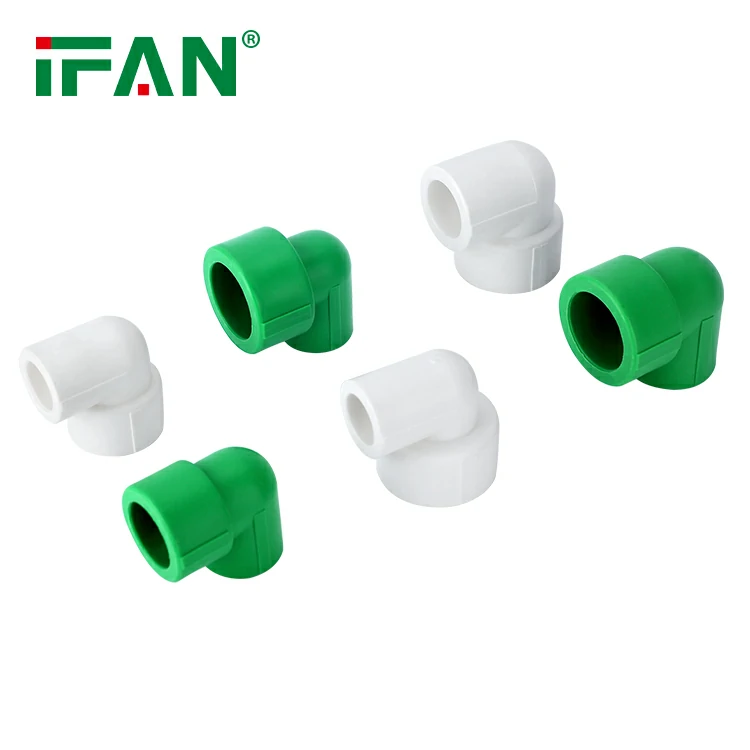
PPR (Polypropylene Random Copolymer) fittings are plastic pipe connectors designed for seamless installation in plumbing systems. These fittings are known for:
- Thermal stability
- Chemical resistance
- High-pressure endurance
- Long lifespan (50+ years)
They are typically installed using heat fusion, which creates a homogeneous, leak-proof joint between pipes and fittings.
Types of PPR Fittings
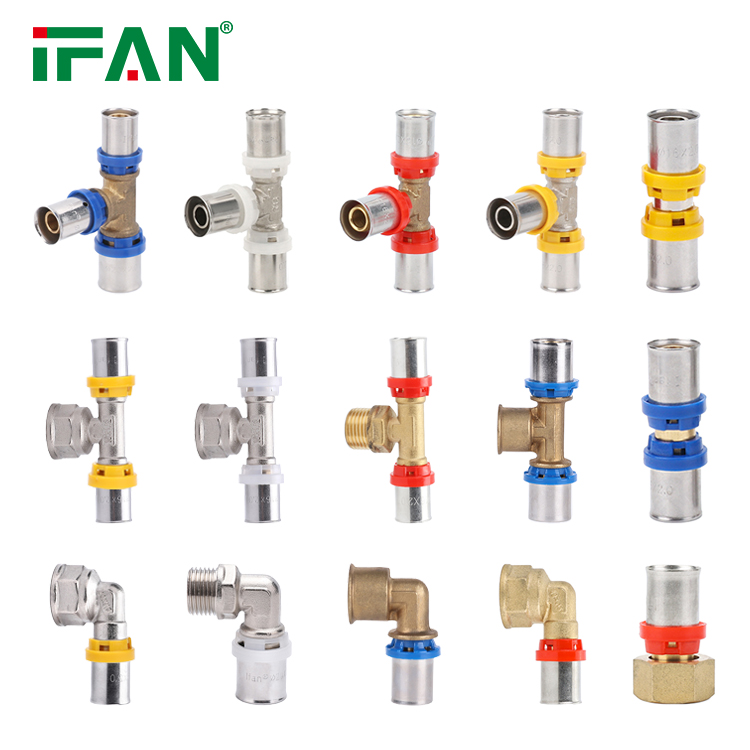
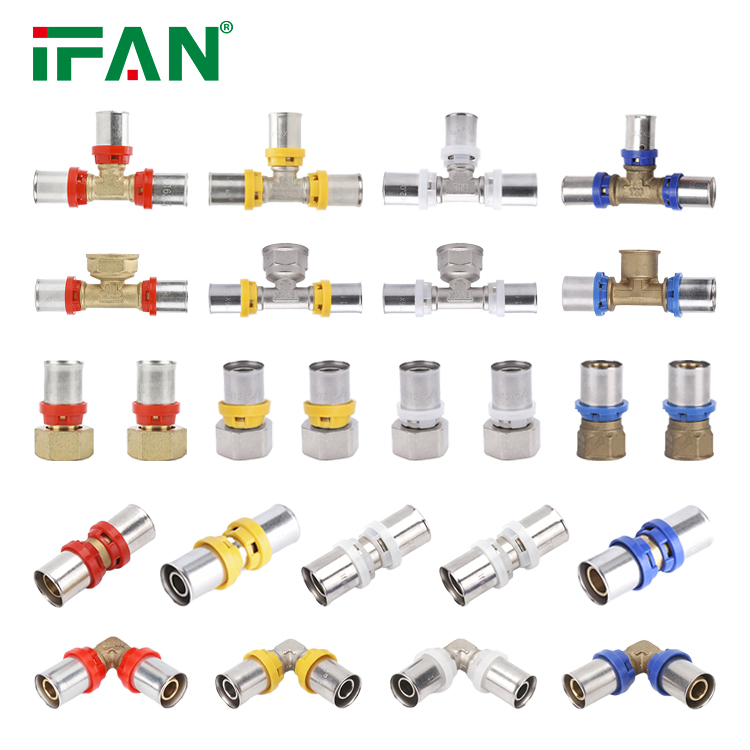
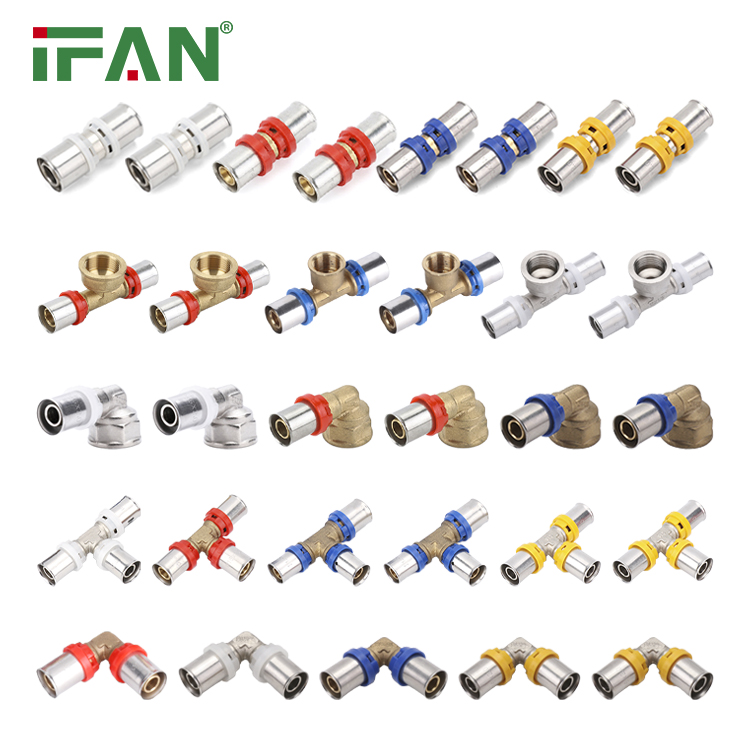
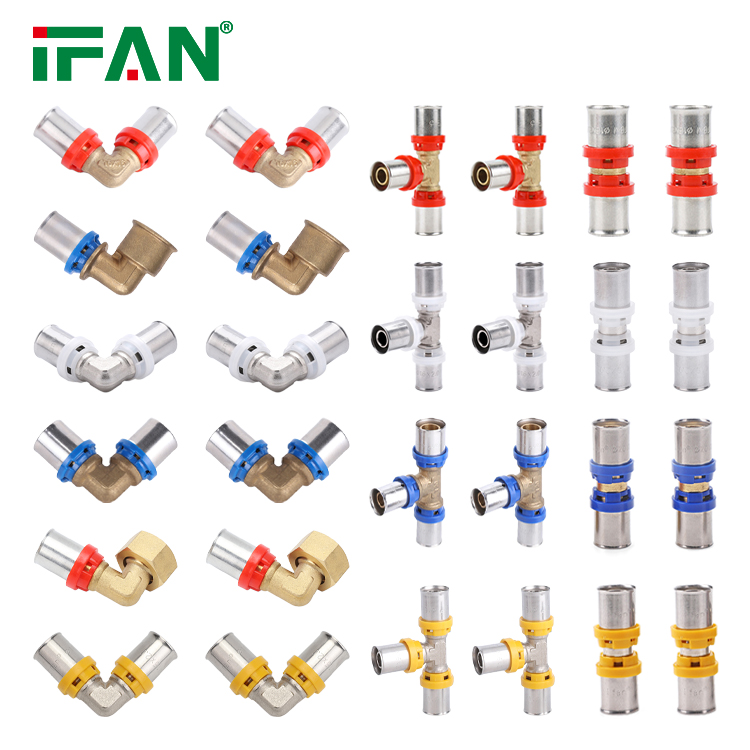
PPR fittings come in a wide variety of configurations, including:
- Elbows (90° or 45°)
- Tees (equal and reducing)
- Reducers and couplers
- End caps and flanges
- Valves with brass inserts
- Unions and transition fittings
Each fitting is engineered to support specific applications in water distribution, heating, and industrial systems.
Setting New Manufacturing Standards
Manufacturers of PPR fittings are increasingly adopting next-generation technologies to improve product performance and consistency. These standards include:
1. Precision Molding and Injection Techniques
State-of-the-art injection molding ensures every PPR fitting meets tight dimensional tolerances, resulting in better pipe alignment and joint integrity.
2. ISO and DIN Compliance
Premium manufacturers adhere to global quality standards such as ISO 15874, DIN 8077/8078, and EN 12201, ensuring products can withstand high pressure, temperature, and long-term stress.
3. Use of Virgin Raw Material
Top-tier production facilities use 100% virgin PPR granules, ensuring non-toxic, BPA-free, and potable water-safe fittings.
4. Integrated Brass Fitting Solutions
The latest trend involves integrating brass metal inserts into PPR fittings for stronger threads and reliable transitions to metal components like faucets and pumps.
5. Robust Quality Control Systems
Each PPR fitting batch undergoes hydrostatic testing, dimensional inspection, and thermal cycling tests to ensure defect-free delivery.
Benefits of PPR Fitting Systems
Choosing PPR fitting systems for water and fluid transportation offers numerous advantages:
- Leak-proof joints through heat fusion
- Corrosion resistance (no rust or scale)
- High chemical stability for industrial fluids
- Noise-reduction in water flow
- Long life span (up to 50 years) with minimal maintenance
- Lightweight and easy to transport/install
These benefits make PPR fitting systems a preferred choice over PVC, copper, or galvanized steel in many modern applications.
Applications Across Industries
The versatility of PPR fittings allows them to be used in:
- Residential plumbing (hot and cold water)
- High-rise building networks
- Commercial facilities (hotels, malls, hospitals)
- HVAC and central heating systems
- Industrial pipelines for chemicals and compressed air
- Agricultural irrigation networks
Whether for new projects or renovations, PPR fitting systems offer a cost-effective and reliable solution.
Sustainability and the Environment
One of the reasons PPR fittings are gaining global popularity is their eco-friendly profile. Compared to metal or PVC:
- PPR is 100% recyclable
- No harmful adhesives or solvents are needed during installation
- Lower carbon footprint due to energy-efficient production
- Ideal for LEED-certified green buildings
By reducing leakage, energy loss, and corrosion-related waste, PPR fittings support sustainable development goals across industries.
Innovation That Drives the Industry
Manufacturers are now investing in:
- Smart piping solutions with sensors for flow monitoring
- Pre-insulated PPR piping systems for thermal efficiency
- Quick-connect hybrid fittings for modular installations
- Color-coded PPR systems to distinguish water type or temperature
These advancements are raising the bar for plumbing performance, convenience, and longevity.
Conclusion
The PPR fitting industry is not just keeping up with change—it’s leading it. Through advanced manufacturing, sustainability, and intelligent design, PPR fittings are setting new standards in plumbing and fluid transport solutions.
As infrastructure projects grow in complexity and scale, PPR pipes and fittings will continue to be at the core of efficient, future-ready systems. For developers, builders, and engineers seeking reliability and innovation, the choice is clear: PPR fitting is the future of piping.
Frequently Asked Questions (FAQ)
1. What is the lifespan of a PPR fitting?
PPR fittings typically last over 50 years, provided they are installed correctly and used within their temperature and pressure ratings.
2. Can PPR fittings be used for hot water systems?
Yes, PPR fittings are designed to handle temperatures up to 95°C, making them ideal for hot water and central heating systems.
3. Are PPR fittings safe for drinking water?
Absolutely. PPR is non-toxic, BPA-free, and does not release harmful chemicals, making it safe for potable water applications.
4. How are PPR fittings installed?
They are installed using heat fusion welding, which melts the pipe and fitting together to form a single leak-free unit.
5. Are PPR fittings better than PVC or copper?
Yes, PPR fittings offer better thermal resistance, durability, chemical stability, and sustainability compared to PVC or copper alternatives.