While CPVC (chlorinated polyvinyl chloride) pipes offer many advantages, there are some disadvantages to consider when using them in plumbing applications. Here are a few potential drawbacks of CPVC pipes:
1. Brittle at Low Temperatures: CPVC pipes can become brittle when exposed to very low temperatures. Extreme cold temperatures may cause the pipes to crack or break, potentially leading to leaks or system failures. Proper insulation or protection should be implemented in environments with low temperatures.
2. Limited UV Resistance: CPVC pipes are not designed to withstand prolonged exposure to ultraviolet (UV) rays. When used outdoors or in areas exposed to direct sunlight, the pipes may degrade over time due to UV radiation. It is necessary to protect CPVC pipes with appropriate insulation or UV-resistant coatings.
3. Chemical Compatibility: While CPVC pipes offer good chemical resistance in most scenarios, there are certain aggressive chemicals or solvents that may not be compatible with CPVC. It is essential to consult the manufacturer’s chemical resistance chart and ensure the suitability of CPVC pipes for specific chemical applications.
4. Not Suitable for High-Pressure Systems: CPVC pipes have limitations in high-pressure systems. They are not recommended for applications that require extremely high pressure or water hammer conditions. In such cases, alternative materials like metal or specialized high-pressure pipes may be more suitable.
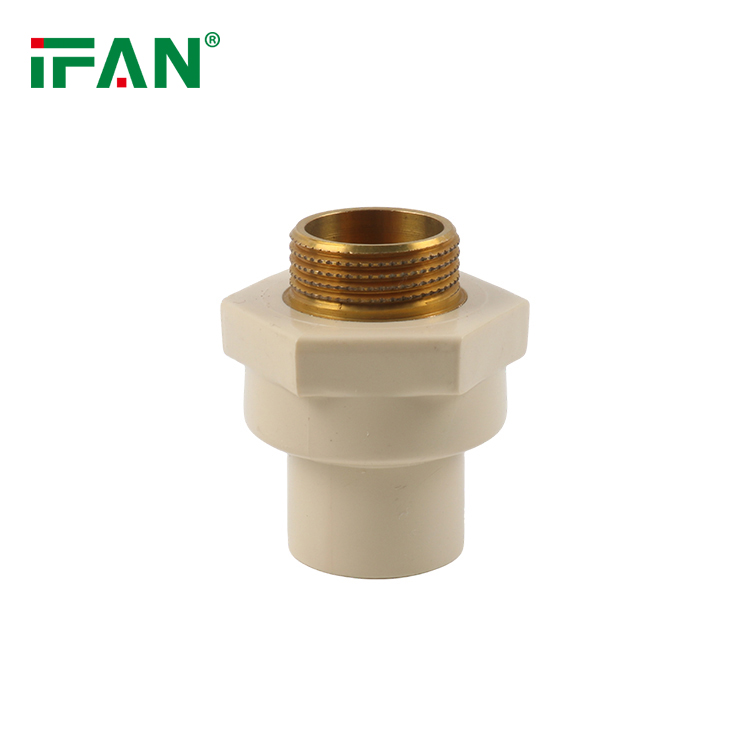
5. Special Glue and Tools: Connecting CPVC pipes requires the use of CPVC-specific solvent cement and fittings. It may be challenging to find these specialized materials and tools in some regions. This can make repairs or modifications more difficult if the necessary supplies are not readily available.
6. Expansion and Contraction: CPVC pipes have a higher coefficient of thermal expansion compared to metal pipes. This means that they expand and contract more significantly with temperature changes. Proper allowances should be made to accommodate this expansion and contraction, ensuring that the pipes are adequately supported and avoiding unnecessary stress on the system.
It is important to note that while CPVC pipes have these potential disadvantages, they are still widely used and have proven to be a reliable choice for many plumbing applications. Proper installation techniques, adherence to manufacturer guidelines, and consideration of specific project requirements can help mitigate these drawbacks and ensure the successful use of CPVC pipes in plumbing systems.