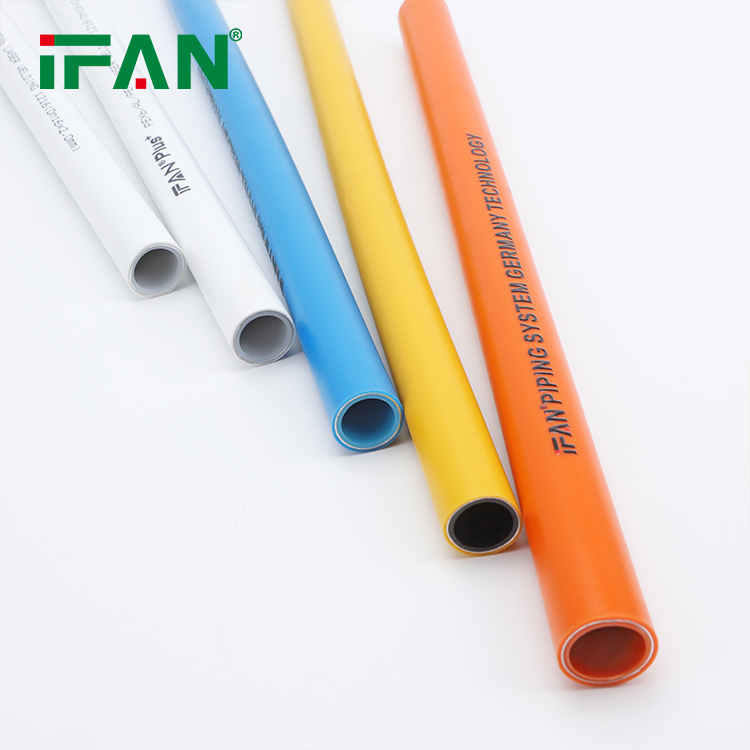
Brass fittings are an essential component in plumbing and gas systems. They are made from a combination of copper and zinc, which gives them superior strength, durability, and resistance to corrosion. Brass fittings are widely used due to their excellent properties and versatility in various applications. In this article, we will explore what brass fittings are, their types, advantages, and common uses.
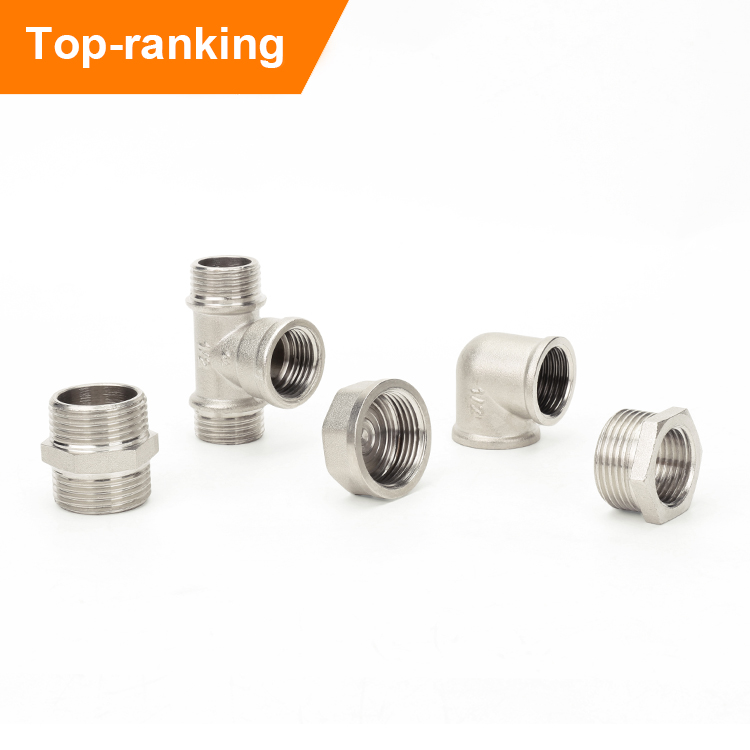
Brass fittings are connectors used to join or extend pipes, tubing, or hoses in plumbing and gas systems. They are available in a wide range of shapes, sizes, and configurations to accommodate different requirements. Brass, a copper-zinc alloy, is mainly used to manufacture these fittings due to its excellent mechanical and physical properties.
Advantages of Brass Fittings:
- Corrosion Resistance: Brass fittings have excellent resistance to corrosion, making them suitable for both indoor and outdoor applications. They can withstand exposure to water, moisture, and various chemicals commonly found in plumbing systems.
- Durability: Brass is a durable material that can withstand high pressure and temperature conditions. Brass fittings are less prone to cracking or breaking compared to other materials, ensuring long-lasting performance.
- Versatility: Brass fittings are available in various types, including compression fittings, flare fittings, barbed fittings, threaded fittings, and push-to-connect fittings. This versatility allows them to be used in a wide range of applications and industries.
- Easy Installation: Brass fittings are relatively easy to install due to their design and compatibility with different connection methods. They can be soldered, threaded, crimped, or connected using compression rings, making them suitable for both professional plumbers and DIY enthusiasts.
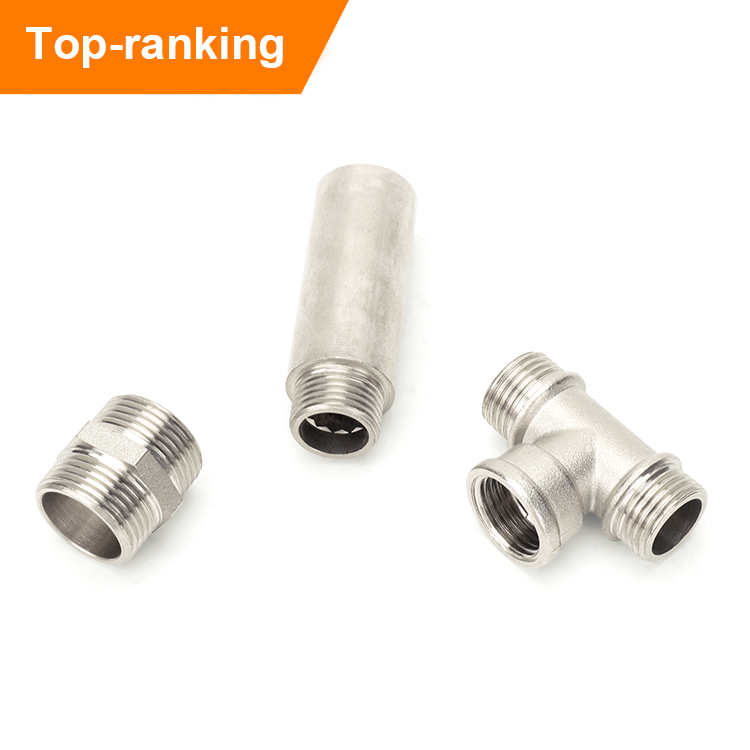
Types of Brass Fittings:
- Compression Fittings: Compression fittings are widely used in plumbing systems to connect pipes or tubes. They consist of a compression nut, brass compression ring (also known as a ferrule), and a fitting body. Compression fittings provide a tight and leak-free connection by compressing the ferrule onto the pipe or tubing.
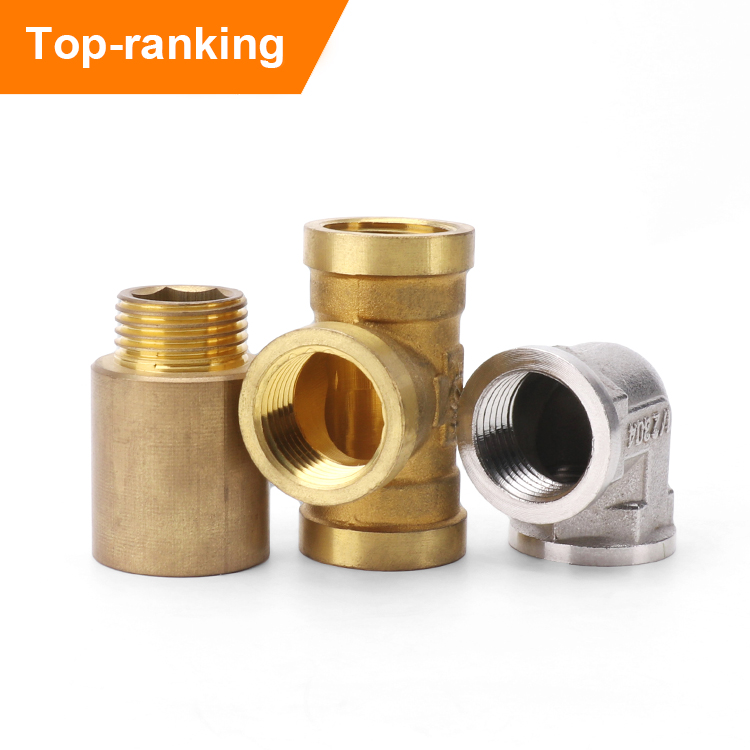
- Threaded Fittings: Threaded brass fittings have male or female threads that allow them to be screwed onto pipes or other fittings. They are commonly used in plumbing systems where a secure connection is needed. Common types of threaded fittings include elbows, tees, couplings, and adapters.
- Flare Fittings: Flare fittings have a cone-shaped end that forms a seal when connected to a corresponding fitting. They are widely used in gas and refrigeration systems, providing a reliable and leak-free connection.
- Barbed Fittings: Barbed fittings have ridges on the surface that grip onto the inside of hoses or tubing, creating a secure connection. They are commonly used in low-pressure applications, such as garden hoses or pneumatic systems.
- Push-to-Connect Fittings: Push-to-connect fittings, also known as quick-connect or push-fit fittings, provide an easy and convenient way to connect pipes or tubing. They feature a release collar that allows for simple and tool-free installation and disconnection.
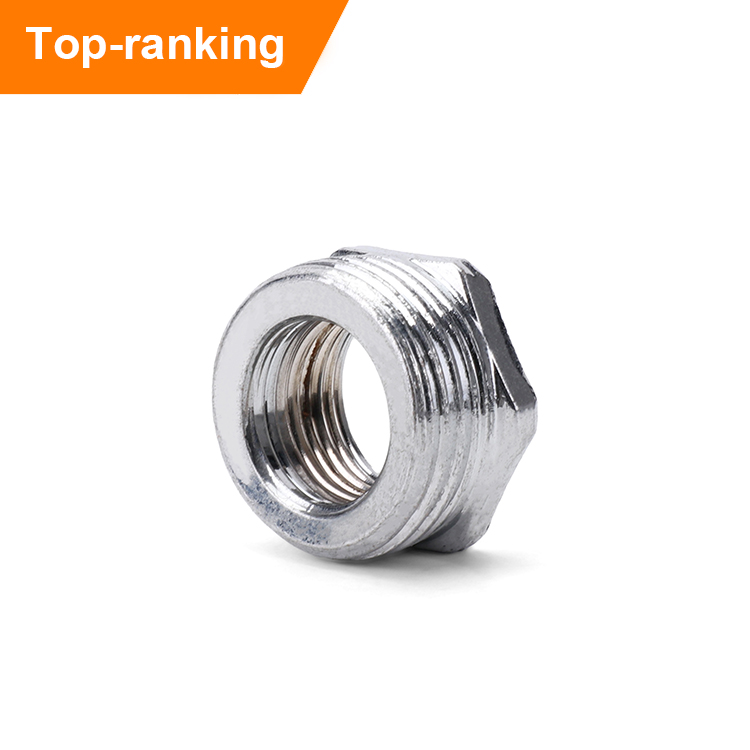
Common Uses of Brass Fittings:
- Plumbing Systems: Brass fittings are extensively used in plumbing systems for residential, commercial, and industrial applications. They are used to connect pipes, valves, faucets, and fixtures, ensuring a reliable water distribution system.
- Gas Systems: Brass fittings are also widely used in gas systems to connect pipes, regulators, and appliances. Their corrosion resistance and durability make them suitable for natural gas and propane applications.
- HVAC Systems: Brass fittings are used in heating, ventilation, and air conditioning (HVAC) systems to connect pipes, radiators, boilers, and other components. They provide a reliable and leak-free connection for efficient heat transfer.
- Industrial Applications: Given their durability and corrosion resistance, brass fittings are used in various industrial applications, such as oil refineries, chemical plants, and manufacturing facilities. They are used to connect pipes, hoses, and equipment in these demanding environments.
In conclusion, brass fittings play a vital role in plumbing and gas systems due to their corrosion resistance, durability, and versatility. They offer a reliable and leak-free connection for pipes, tubing, and hoses. With their various types and easy installation methods, brass fittings cater to a wide range of applications in residential, commercial, and industrial settings.