CPVC Pipe Fittings: The Future of Plumbing
Introduction
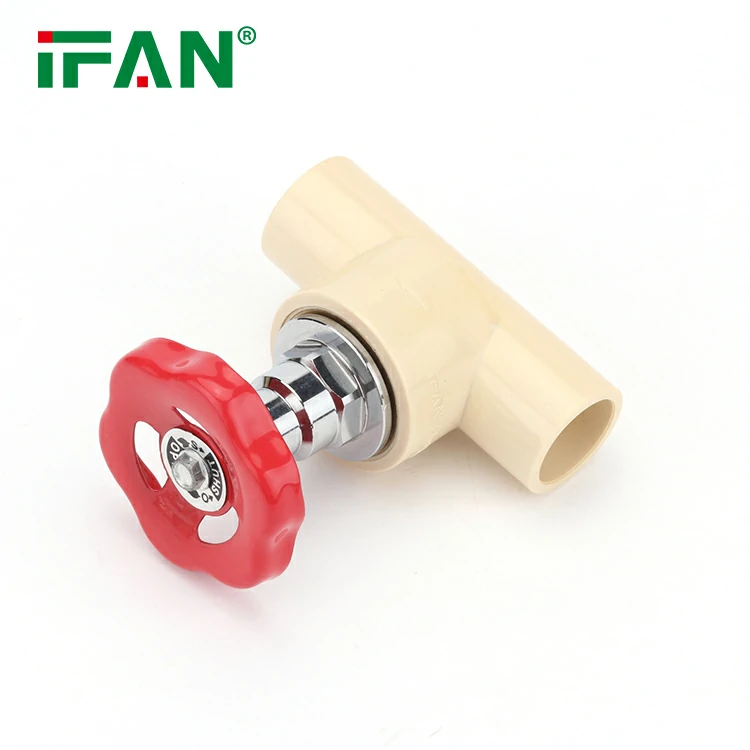
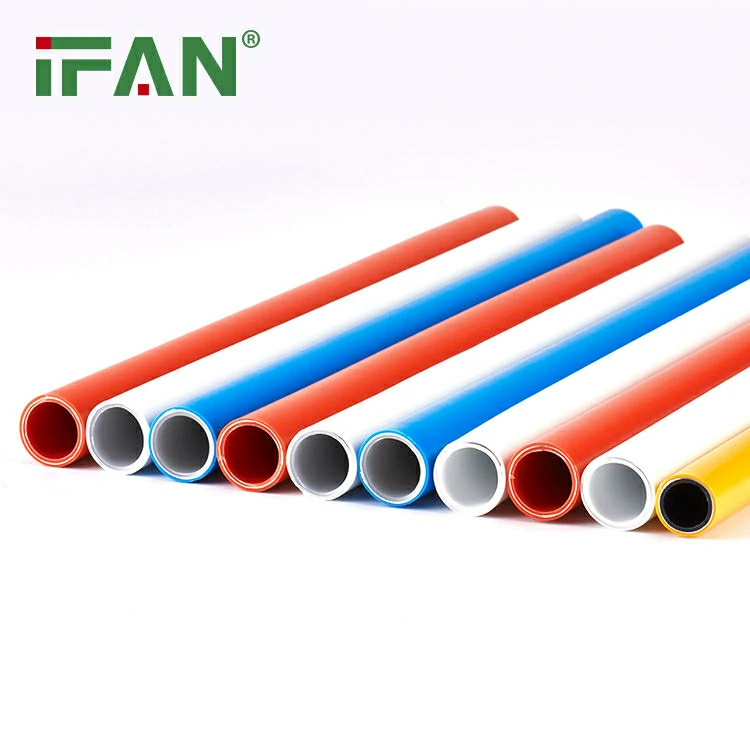
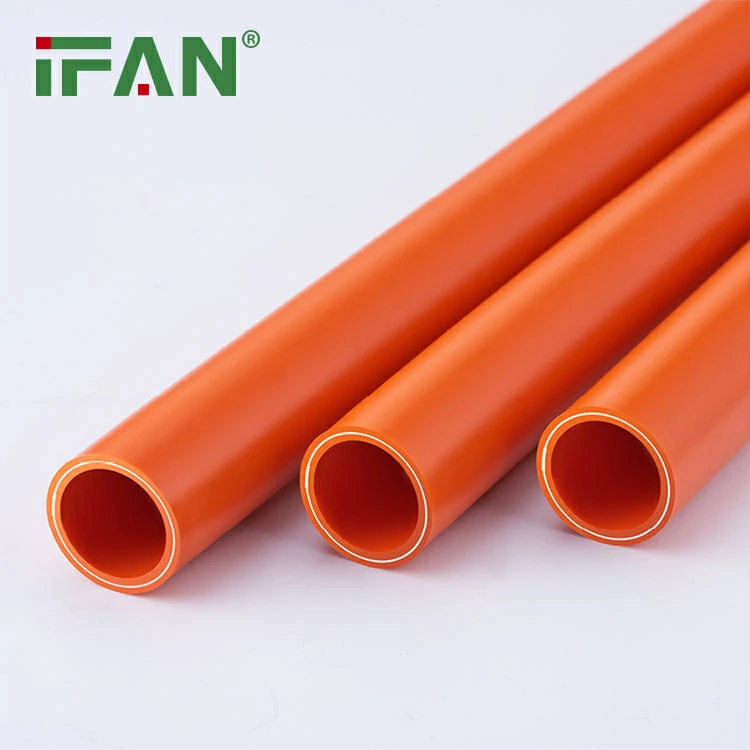
CPVC pipe fittings are becoming increasingly popular in the plumbing industry due to their numerous benefits. This article will discuss the advantages of CPVC pipe fittings and why they are seen as the future of plumbing.
Advantages of CPVC Pipe Fittings
- Durability
One of the most significant advantages of CPVC pipe fittings is their durability. CPVC pipes are made from a thermoplastic material that can withstand high temperatures and pressures. They are also resistant to chemicals and have a high impact strength, which makes them ideal for plumbing systems.
- Corrosion Resistance
CPVC pipe fittings have excellent corrosion resistance, making them ideal for use in harsh environments. Unlike other materials such as copper or galvanized steel, CPVC is resistant to rust, making it a reliable option for plumbing systems.
- Cost-Effective
CPVC pipe fittings are cost-effective, providing a long-term solution that is affordable in the short-term. They have a low installation cost and require less maintenance compared to other materials, saving money over time.
- Energy-Efficient
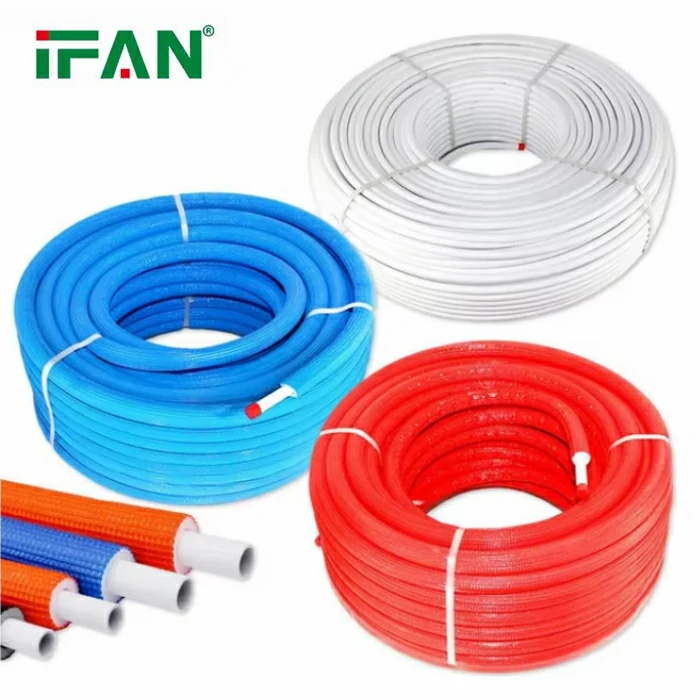
CPVC pipe fittings are energy-efficient, allowing for better insulation and less heat loss. This reduces energy consumption and ultimately saves money on energy bills.
- Environmentally Friendly
CPVC pipe fittings are environmentally friendly, as they are recyclable and can be used for other purposes. They also require less energy to produce than other materials, making them a sustainable option.
Conclusion
CPVC pipe fittings offer numerous benefits, including durability, corrosion resistance, cost-effectiveness, energy-efficiency, and environmental friendliness. Their versatility makes them an ideal material for a variety of plumbing applications. With these advantages, CPVC pipe fittings are undoubtedly the future of plumbing.
Meta Description: CPVC pipe fittings are the future of plumbing due to their durability, corrosion resistance, cost-effectiveness, energy-efficiency, and environmental friendliness.