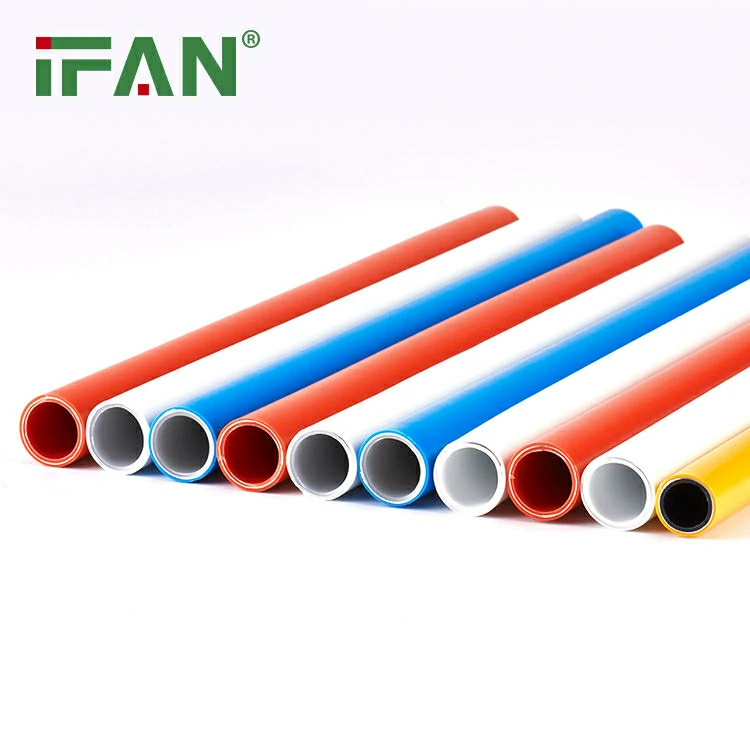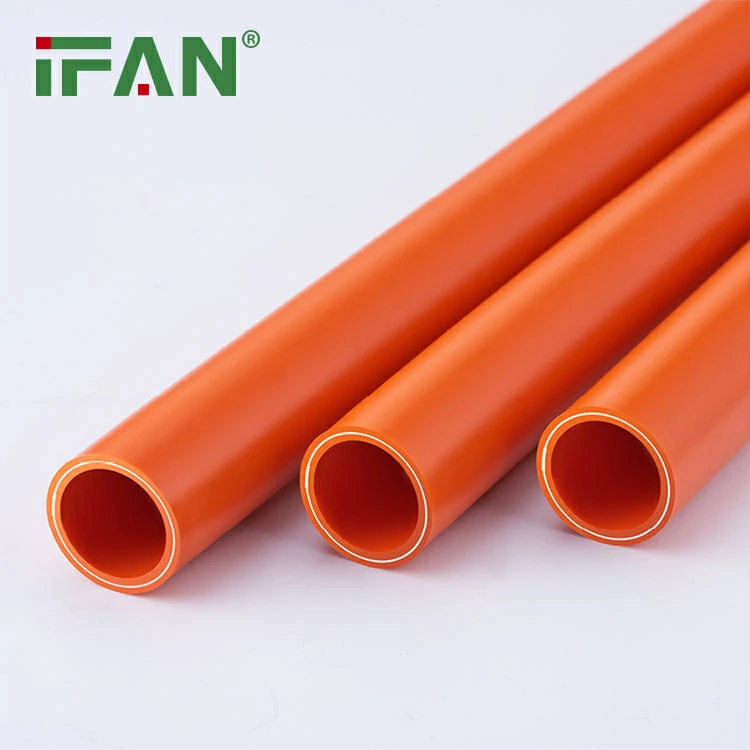
The Top 20 Advantages of CPVC Pipe Fittings
CPVC pipe fittings have quickly become a popular choice for plumbing and piping systems. Here are the top 20 advantages of using CPVC pipe fittings:
- High temperature resistance: CPVC pipe fittings can withstand high temperatures up to 200°F, making them ideal for hot water and industrial systems.
- Corrosion resistant: CPVC pipe fittings are resistant to corrosion and chemical attacks, which helps prevent leaks and extends the life of the pipes.
- Low thermal conductivity: CPVC pipe fittings have low thermal conductivity, which helps regulate temperature and save energy.
- Easy installation: CPVC fittings are easy to install and modify, which saves time and labor costs.
- Lightweight: CPVC fittings are lighter than metal fittings, making them easier to handle and transport.
- Low maintenance: CPVC pipe fittings require little maintenance and have a long lifespan.
- Cost effective: CPVC fittings are less expensive than metal fittings, which helps save money on projects.
- Durable: CPVC pipe fittings are durable and can withstand impact, making them ideal for rough environments.
- Safe for drinking water: CPVC pipe fittings are safe for drinking water and meet NSF standards.
- Resistant to scale buildup: CPVC pipe fittings have a smooth interior that resists scale buildup, which helps prevent blockages.
- Resistant to UV rays: CPVC fittings are resistant to UV rays and do not become brittle over time.
- Flexible: CPVC pipe fittings are flexible, which helps absorb vibrations and prevent leaks.
- Resistant to fire: CPVC pipe fittings are self-extinguishing and do not spread flames.
- Resistant to water hammer: CPVC pipe fittings are resistant to water hammer, which helps prevent damage to the piping system.
- Easy to bond: CPVC pipe fittings are easy to bond using solvent cement, which creates a strong, leak-free joint.
- Low friction loss: CPVC pipe fittings have low friction loss, which helps maintain a high flow rate.
- Versatile: CPVC pipe fittings can be used in a variety of applications, including residential, commercial, and industrial.
- Environmentally friendly: CPVC pipe fittings are recyclable and do not release harmful materials into the environment.
- Low noise level: CPVC pipe fittings have a low noise level, which reduces noise pollution in buildings.
- Non-toxic: CPVC pipe fittings are non-toxic and safe for use in food processing and other applications.
In summary, CPVC pipe fittings offer a range of advantages, including high temperature resistance, corrosion resistance, easy installation, low maintenance, and cost-effectiveness. They are also safe, durable, and versatile, making them an ideal choice for plumbing and piping systems.