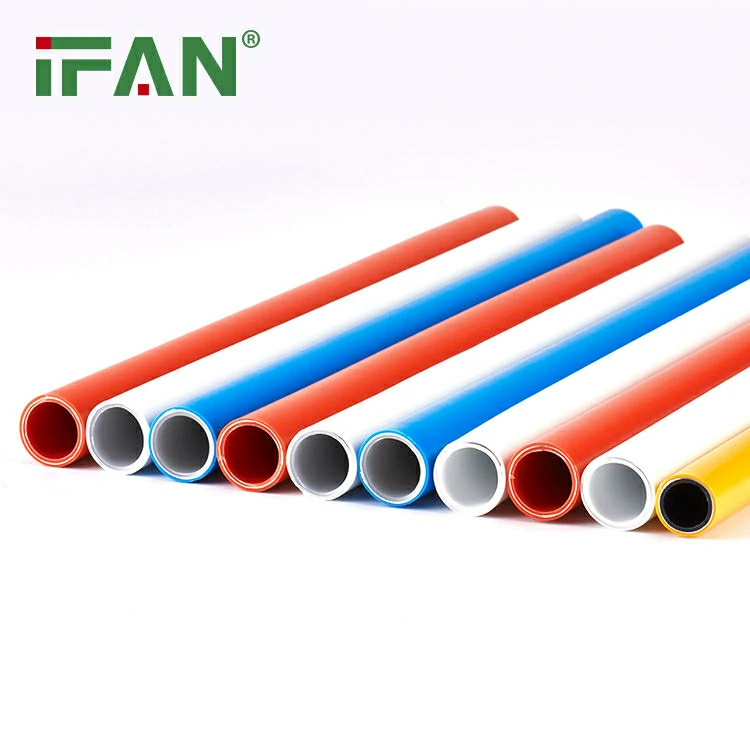
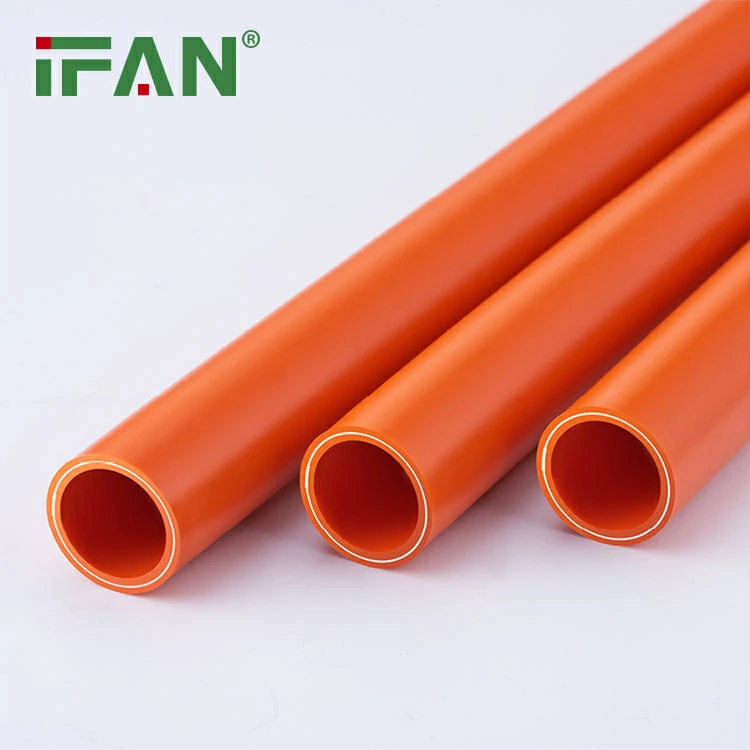
The Versatility of CPVC Pipe Fittings: Perfect for Any Project
CPVC pipe fittings have become a popular choice in plumbing and industrial applications due to their versatility and durability. In this article, we will explore the advantages of CPVC pipe fittings and how they can benefit any project.
- Chemical Resistance
One of the primary advantages of CPVC pipe fittings is their resistance to chemicals. This makes them ideal for use in chemical processing plants, where exposure to harsh chemicals is common. CPVC fittings are also resistant to corrosion, making them a durable option for plumbing systems.
- High Temperature Tolerance
CPVC pipe fittings are capable of withstanding high temperatures, making them perfect for hot water applications. They are able to handle temperatures up to 200°F, which is much higher than traditional PVC pipe fittings. This makes them an ideal choice for both residential and commercial plumbing applications.
- Easy Installation
Another advantage of CPVC pipe fittings is their ease of installation. They are lightweight and easy to cut, which makes them easy to work with. Additionally, they can be used with a variety of tools, including solvent cements, mechanical joints, and threaded connections.
- Versatility
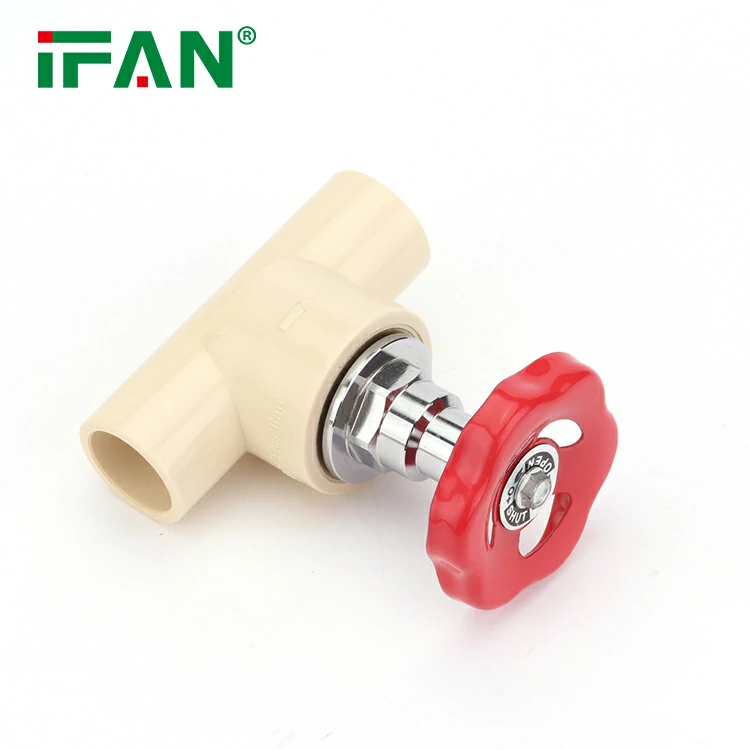
CPVC pipe fittings come in a variety of sizes and shapes, making them versatile for any project. They can be used in both residential and commercial applications, including hot and cold water supply, drainage systems, and more.
- Longevity
CPVC pipe fittings are extremely durable and have a long life span. They are resistant to UV rays and weathering, making them ideal for outdoor applications. They also have a low risk of cracking or breaking, ensuring that they will last for many years.
In conclusion, CPVC pipe fittings are a versatile and durable option for a wide range of applications. Their chemical resistance, high temperature tolerance, ease of installation, versatility, and longevity make them the perfect choice for any project.