Why CPVC Pipe Fittings are the Best Choice for Hot Water Applications
Introduction
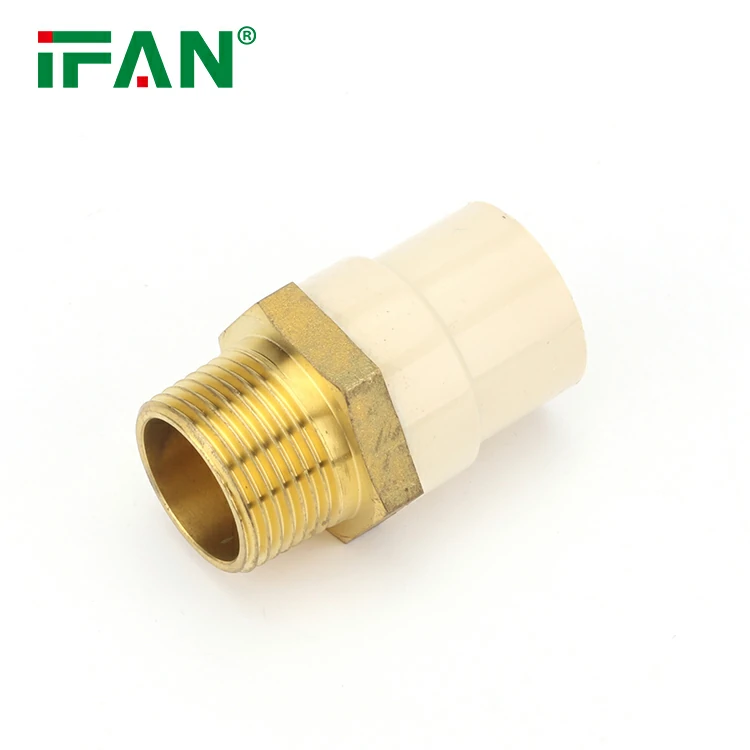
CPVC pipe fittings, also known as Chlorinated Polyvinyl Chloride, is a material that has become increasingly popular for hot water applications. This is because they offer several advantages over other types of materials commonly used for hot water applications. In this article, we will be discussing some of the benefits of using CPVC pipe fittings for hot water applications.
Higher Temperature Resistance
One of the biggest advantages of CPVC pipe fittings is their ability to withstand higher temperatures compared to other materials such as PVC. They can handle temperatures up to 200°F, which makes them ideal for use in hot water applications. This means that the likelihood of the fittings failing due to the high temperatures of the water is greatly reduced.
Chemical Resistance
Another benefit of CPVC pipe fittings is their chemical resistance. These fittings are resistant to a wide range of chemicals such as acids, alkalis, and salt solutions. This means that even if the water being transported through the pipes has a high chemical content, the fittings will not be affected.
Corrosion Resistance
CPVC pipe fittings are also highly resistant to corrosion. This means that they can withstand the corrosive effects of chemicals and minerals that are commonly found in hot water systems. As a result, the fittings have a longer lifespan and are less likely to need replacing.
Easy to Install
CPVC pipe fittings are also easy to install, making them a popular choice among plumbers. They are lighter in weight compared to other materials such as copper, which makes them easier to handle. Additionally, they can be easily cut and joined using solvent cement.
Affordability
Another benefit of CPVC pipe fittings is that they are more affordable compared to materials such as copper. This makes them an attractive choice for those looking to install hot water systems on a budget.
Conclusion
CPVC pipe fittings are the best choice for hot water applications due to their high temperature resistance, chemical resistance, corrosion resistance, ease of installation, and affordability. They are a reliable and durable option that can withstand the demands of hot water systems. As a result, they are becoming increasingly popular among plumbers and building contractors.
Element Description: CPVC pipe fittings, benefits, hot water applications