Introduction
The use of Polypropylene Random Copolymer (PPR) pipes has become increasingly popular in plumbing, heating, and industrial applications due to their durability, corrosion resistance, and eco-friendly properties. However, the rise in demand has led to the emergence of counterfeit PPR pipes in the market, posing significant risks to infrastructure and public health. In response, the Federal Government (FG) has announced plans to sanction producers of fake PPR pipes, aiming to protect consumers and ensure the integrity of water supply systems. This article explores the implications of counterfeit PPR pipes, the government’s response, and the importance of using genuine PPR products.
Understanding PPR Pipes
What are PPR Pipes?
PPR pipes are made from Polypropylene Random Copolymer, a thermoplastic material known for its strength and versatility. These pipes are widely used in various applications, including residential plumbing, commercial heating systems, and industrial fluid transport. Their unique properties make them an ideal choice for modern infrastructure.
Key Features of PPR Pipes
- Durability: PPR pipes are designed to last over 50 years, making them a long-term solution for plumbing needs. Their robust construction allows them to withstand high pressures and temperatures.
- Corrosion Resistance: Unlike metal pipes, PPR pipes do not rust or corrode, ensuring that the quality of the water transported remains intact.
- Leak-Free Performance: PPR pipes feature advanced jointing technology that creates seamless connections, minimizing the risk of leaks.
- Eco-Friendly: PPR pipes are recyclable and produced with minimal environmental impact, aligning with sustainability goals.
- Lightweight and Easy to Install: The lightweight nature of PPR pipes simplifies handling and installation, leading to reduced labor costs.
The Threat of Counterfeit PPR Pipes
Risks Associated with Fake PPR Pipes
The proliferation of counterfeit PPR pipes poses several risks:
- Safety Hazards: Fake PPR pipes may not meet industry standards, leading to potential failures in plumbing systems. This can result in leaks, water contamination, and even structural damage.
- Economic Impact: The use of counterfeit pipes can lead to increased maintenance and repair costs for consumers and businesses. Poor-quality pipes may require frequent replacements, resulting in financial losses.
- Public Health Concerns: Counterfeit pipes can compromise water quality, posing health risks to consumers. Contaminated water supply can lead to serious health issues, particularly in vulnerable populations.
- Undermining Genuine Producers: The presence of fake PPR pipes in the market undermines the efforts of legitimate manufacturers who adhere to quality standards. This can lead to a loss of consumer trust in the industry.
Government Response to Counterfeit PPR Pipes
FG’s Sanction Plan
In light of the rising threat posed by counterfeit PPR pipes, the Federal Government has announced a comprehensive plan to sanction producers of fake products. Key components of this plan include:
- Regulatory Oversight: The government will enhance regulatory oversight of the PPR pipe manufacturing sector. This includes stricter enforcement of quality standards and regular inspections of production facilities.
- Penalties for Non-Compliance: Producers found manufacturing or distributing counterfeit PPR pipes will face severe penalties, including fines and potential imprisonment. This aims to deter fraudulent practices in the industry.
- Public Awareness Campaigns: The government will launch awareness campaigns to educate consumers about the risks associated with counterfeit PPR pipes. This includes guidance on how to identify genuine products and the importance of purchasing from reputable suppliers.
- Collaboration with Industry Stakeholders: The FG will collaborate with industry stakeholders, including manufacturers and trade associations, to develop best practices and promote the use of certified PPR pipes.
- Consumer Protection Initiatives: The government will implement measures to protect consumers from purchasing counterfeit products, such as establishing a certification system for genuine PPR pipes.
Importance of Compliance
The government’s plan emphasizes the importance of compliance among manufacturers and suppliers. By adhering to quality standards and regulations, producers can contribute to the integrity of the PPR pipe market and protect consumers from the dangers of counterfeit products.
Choosing Genuine PPR Pipes
How to Identify Quality PPR Pipes
Consumers play a crucial role in combating counterfeit PPR pipes. Here are some tips for identifying genuine products:
- Check for Certification: Look for certification marks on the packaging or the pipes themselves. Genuine PPR pipes should have certification from recognized standards organizations.
- Verify the Manufacturer: Research the manufacturer and ensure they have a good reputation in the industry. Reputable manufacturers will provide information about their products and quality assurance processes.
- Inspect the Packaging: Genuine PPR pipes typically come in well-marked packaging that includes relevant information, such as the manufacturer’s name, product specifications, and certification details.
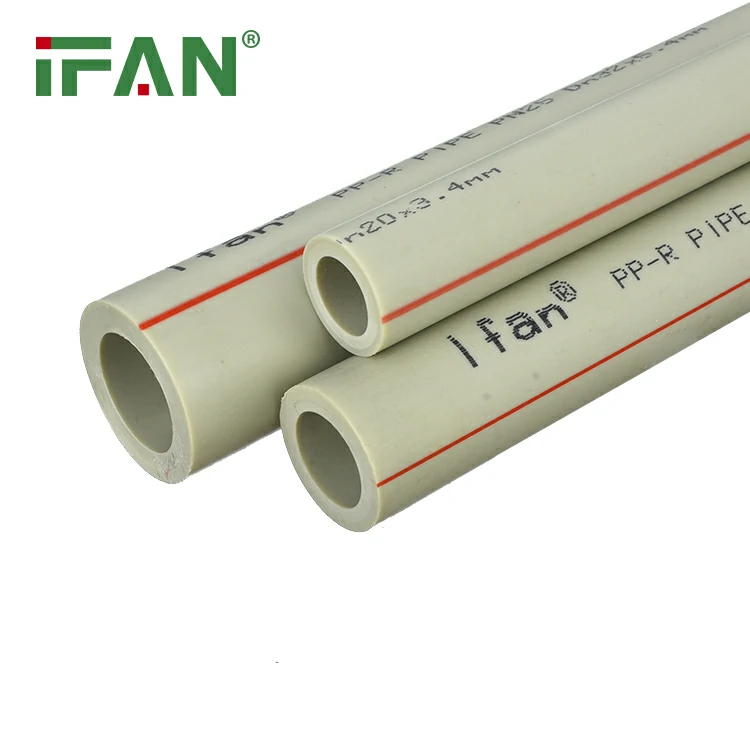
- Examine the Pipe Quality: Genuine PPR pipes have a smooth surface and consistent color. If the pipes appear rough, discolored, or have irregularities, they may be counterfeit.
- Purchase from Authorized Dealers: Always buy PPR pipes from reputable suppliers or authorized dealers. This reduces the risk of purchasing counterfeit products.
Benefits of Using Genuine PPR Pipes
Using genuine PPR pipes offers numerous benefits, including:
- Reliability: Genuine PPR pipes are manufactured to meet industry standards, ensuring reliable performance and longevity.
- Safety: Authentic pipes are tested for safety and quality, reducing the risk of leaks and contamination.
- Cost Savings: While genuine PPR pipes may have a higher upfront cost, they offer long-term savings through reduced maintenance and replacement expenses.
- Environmental Responsibility: Genuine PPR pipes are produced with minimal environmental impact and are recyclable, aligning with sustainability goals.
Conclusion
The Federal Government’s initiative to sanction producers of fake PPR pipes is a crucial step towards protecting consumers and ensuring the integrity of water supply systems. By addressing the risks associated with counterfeit products, the government aims to promote the use of genuine PPR pipes, which offer numerous benefits for plumbing applications. Consumers also play a vital role in this effort by being vigilant and choosing quality products. Together, we can combat the threat of counterfeit PPR pipes and ensure safe and reliable water supply for all.
FAQs
- What are PPR pipes used for?
- PPR pipes are used for transporting hot and cold water in residential, commercial, and industrial plumbing systems.
- How can I identify counterfeit PPR pipes?
- Look for certification marks, verify the manufacturer, inspect packaging, examine pipe quality, and purchase from authorized dealers.
- What are the risks of using counterfeit PPR pipes?
- Risks include safety hazards, economic impact due to increased maintenance costs, public health concerns from contaminated water, and undermining genuine producers.
- What actions is the government taking against counterfeit PPR pipes?
- The government plans to enhance regulatory oversight, impose penalties for non-compliance, launch public awareness campaigns, collaborate with industry stakeholders, and implement consumer protection initiatives.
- Why should I choose genuine PPR pipes?
- Genuine PPR pipes offer reliability, safety, cost savings, and environmental responsibility, ensuring a long-lasting and efficient plumbing solution.