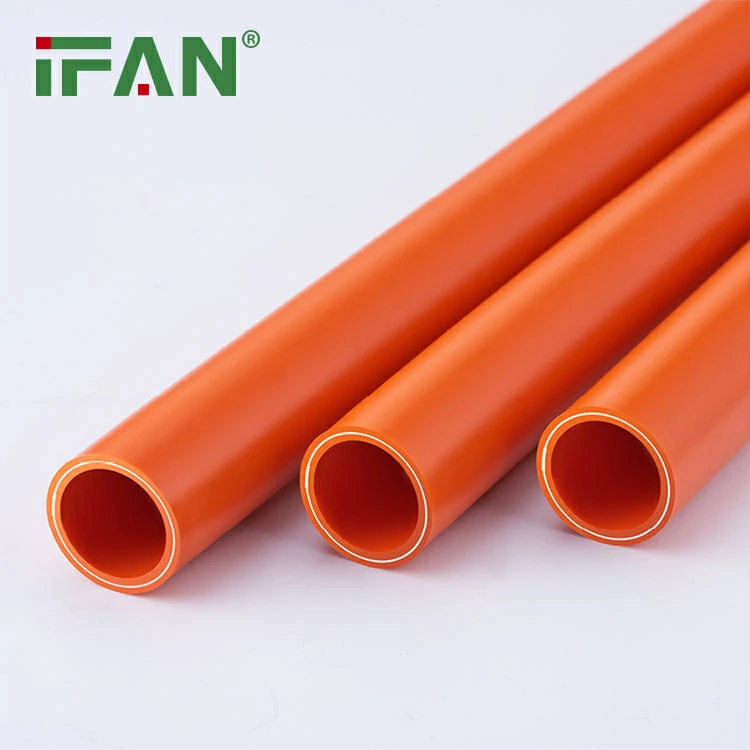
Boiler heating systems need reliable pipes to move hot water safely and efficiently. The pipe must handle heat, pressure, and repeated temperature changes. For this reason, many heating installers use multilayer aluminum pipe in modern boiler applications.
A multilayer aluminum pipe combines different materials into one pipe structure. The aluminum layer provides dimensional stability and helps reduce thermal expansion. Plastic layers offer corrosion resistance and smooth water flow. This combination makes the pipe suitable for residential and commercial heating systems.
What Is a Multilayer Aluminum Pipe?
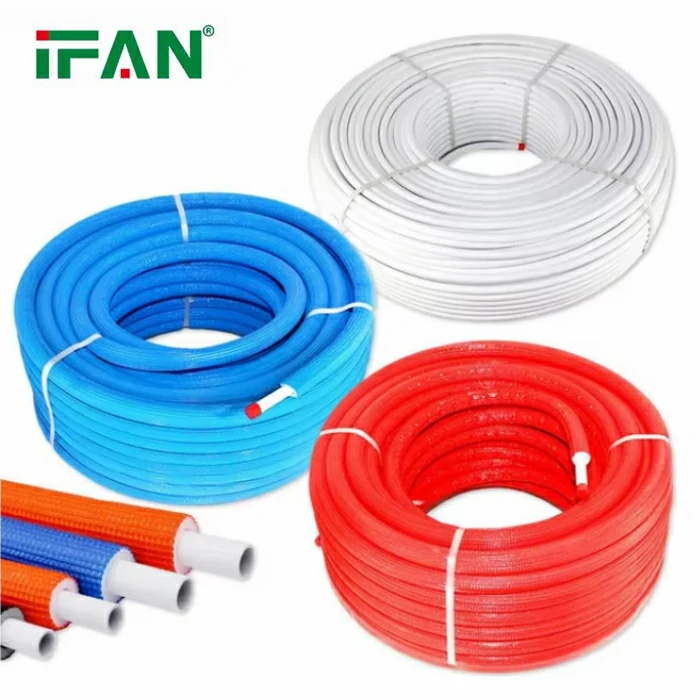
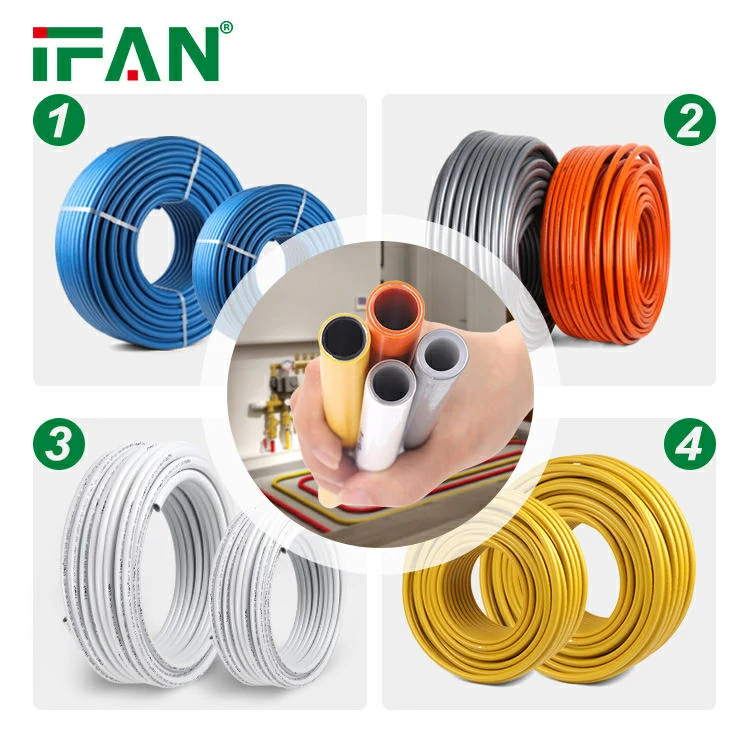
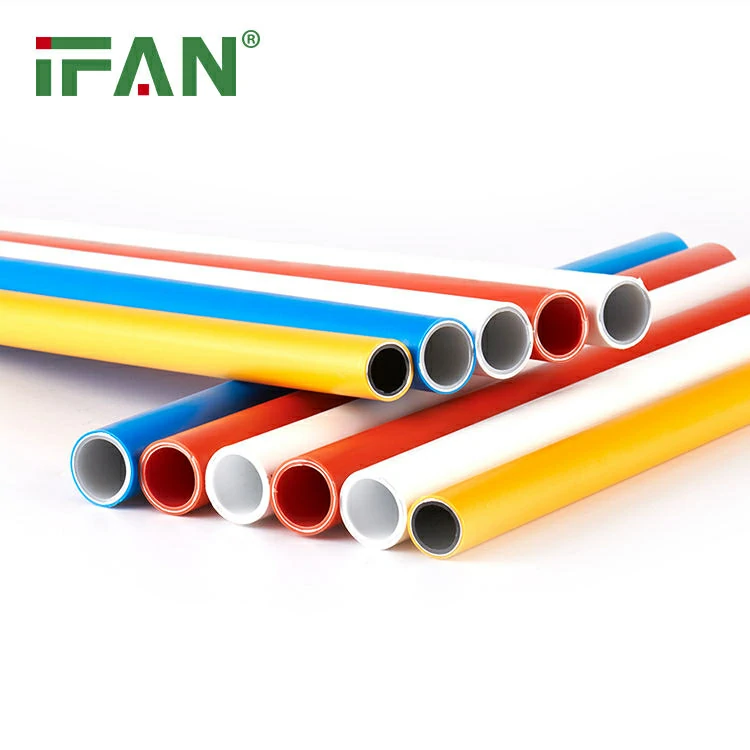
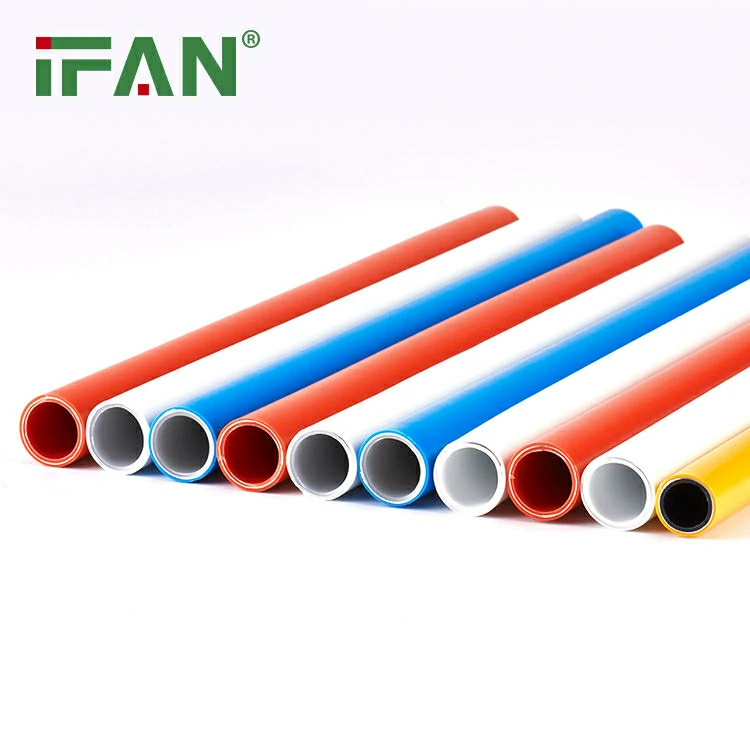
Multilayer aluminum pipe is a composite pipe made from several bonded layers. A common structure uses a plastic inner layer, an aluminum core, and an outer plastic layer.
The inner layer carries the heating water. It is designed to resist hot water and common operating conditions. The aluminum layer provides strength and helps control pipe movement. The outer layer protects the pipe during installation and daily use.
PEX-AL-PEX and PE-AL-PE are common multilayer pipe structures. The exact material combination depends on the application and system requirements.
This pipe design offers several benefits over traditional single-layer plastic pipes. It combines flexibility with good dimensional stability. It can also provide a clean appearance after installation.
Why Use Multilayer Aluminum Pipe for Boiler Heating?
Boiler systems often operate at elevated temperatures. The heating pipe must therefore maintain reliable performance during continuous operation.
One important advantage of multilayer aluminum pipe is reduced thermal expansion. Plastic pipes can expand when exposed to hot water. The aluminum layer helps limit this movement.
This can reduce stress on pipe supports and connections. It also helps installers maintain cleaner pipe runs.
Multilayer aluminum pipe also has good corrosion resistance. Unlike traditional steel heating pipes, the plastic layers do not rust. This is useful in closed-loop hydronic heating systems.
The smooth inner surface can also support efficient water circulation. Lower internal resistance may help heating systems maintain stable flow conditions.
Applications in Boiler Heating Systems
Multilayer aluminum pipe can be used in different boiler heating applications. It is commonly considered for residential heating and light commercial systems.
Radiator heating is one typical application. The pipe connects the boiler to radiators and distributes heated water throughout the building.
It can also be used for underfloor heating systems. In this application, the pipe carries heated water through circuits installed beneath the floor.
Other applications include towel radiators, heating manifolds, and small hydronic heating networks.
The suitable pipe specification depends on the boiler output, system pressure, operating temperature, and installation design.
Multilayer Aluminum Pipe for Radiator Heating
Radiator systems require stable water circulation and reliable temperature performance. Multilayer aluminum pipe can meet these needs when the correct specification is selected.
The aluminum core helps maintain the pipe shape. This is useful when pipes are routed through walls, floors, or other confined spaces.
The pipe can also be bent during installation. This helps installers create cleaner routes with fewer unnecessary connections.
For radiator heating, correct fittings are equally important. Pipe connections should match the pipe structure and system pressure requirements.
A properly designed pipe and fitting system can help reduce the risk of leakage during long-term operation.
Advantages of Multilayer Pipe in Hydronic Heating
Hydronic heating systems circulate heated water through pipes. These systems can use radiators, floor heating loops, or other heat emitters.
Multilayer pipe offers several practical advantages for these installations.
First, the pipe is lightweight. This makes transportation and handling easier on the job site.
Second, the pipe has good dimensional stability. The aluminum layer limits expansion caused by temperature changes.
Third, the pipe does not suffer from the same rust problems associated with conventional metal pipe. This can be important for closed heating circuits.
Another advantage is installation flexibility. Multilayer pipe can often be bent by hand or with suitable tools. This reduces the need for many elbows in some installations.
Temperature and Pressure Considerations
Heating pipe selection should always consider operating temperature and pressure. Boiler systems can have different working conditions depending on the equipment and design.
Installers should check the pipe manufacturer’s technical data before selecting a product. Maximum operating temperature, pressure rating, and service conditions should all be considered.
The pipe should also be compatible with the selected fittings. A reliable connection system is essential for a heating installation.
Temperature changes should not be ignored. Heating pipes repeatedly expand and contract as the boiler starts and stops. A multilayer structure can help manage these movements.
Correct pipe support is still necessary. Even a dimensionally stable pipe needs proper installation practices.
Installation of Multilayer Aluminum Heating Pipe
Good installation can have a major effect on heating system performance. The pipe should be cut cleanly before making a connection.
The pipe end should be prepared according to the fitting manufacturer’s instructions. Proper calibration can help create a secure and uniform connection.
Installers should avoid excessive bending. A suitable bending radius should be maintained to prevent damage to the pipe structure.
Pipe supports should also be positioned correctly. Long unsupported sections can move during heating cycles.
Before the system enters normal operation, pressure testing should be completed according to the project requirements. This allows potential connection problems to be identified before the system is covered.
Multilayer Aluminum Pipe vs. Traditional Metal Pipe
Traditional metal pipes have been used in boiler systems for many years. However, multilayer pipes offer a different approach to heating installation.
Steel pipes are strong but can be heavy. They may also require additional protection against corrosion.
Copper pipes provide good thermal performance and have a long history in heating applications. However, material and installation costs can influence the final project budget.
Multilayer aluminum pipe offers a balance between flexibility, weight, dimensional stability, and corrosion resistance.
The best choice depends on the system design. Pipe size, temperature, pressure, installation method, and local regulations should all be considered.
Choosing the Right Multilayer Aluminum Pipe
There are several factors to review when selecting multilayer pipe for boiler heating.
Pipe diameter is one of the first considerations. The correct diameter depends on required flow and system design.
The pipe construction is also important. Different multilayer structures can have different temperature and pressure capabilities.
Fitting compatibility should be checked before installation. Using a complete pipe and fitting system can simplify project planning.
Certification and testing are also worth considering. Products intended for heating systems should meet the applicable standards for their target market.
For larger projects, buyers may also need stable supply and consistent product quality. This is particularly important for distributors, contractors, and plumbing wholesalers.
Why Choose IFAN Multilayer Aluminum Pipe?
For heating distributors and professional plumbing suppliers, product consistency is an important consideration. IFAN provides multilayer pipe and plumbing solutions for different water and heating applications.
IFAN combines manufacturing experience with production capabilities for pipes and fittings. Its product range can support residential, commercial, and professional plumbing projects.
For buyers looking for multilayer aluminum pipe, matching fittings and customized solutions can also simplify procurement.
IFAN focuses on practical product quality, stable manufacturing, and supply support. This makes it a suitable option for customers sourcing heating pipe products for different markets.
If you are looking for multilayer aluminum pipe for boiler heating applications, contact IFAN for product specifications, factory pricing, and samples.
Conclusion
Multilayer aluminum pipe is a practical option for modern boiler heating systems. Its composite structure combines the benefits of plastic and aluminum.
The aluminum layer helps reduce thermal expansion and improves dimensional stability. The plastic layers provide corrosion resistance and smooth internal flow.
These characteristics make multilayer pipe suitable for radiator heating, hydronic heating, and other hot-water applications.
However, correct pipe selection remains important. Temperature, pressure, diameter, fittings, and installation conditions should all be considered.
For manufacturers, distributors, and heating system suppliers, choosing a reliable pipe supplier can also improve project consistency. IFAN provides multilayer pipe and fitting solutions for customers seeking dependable products for boiler and heating applications.