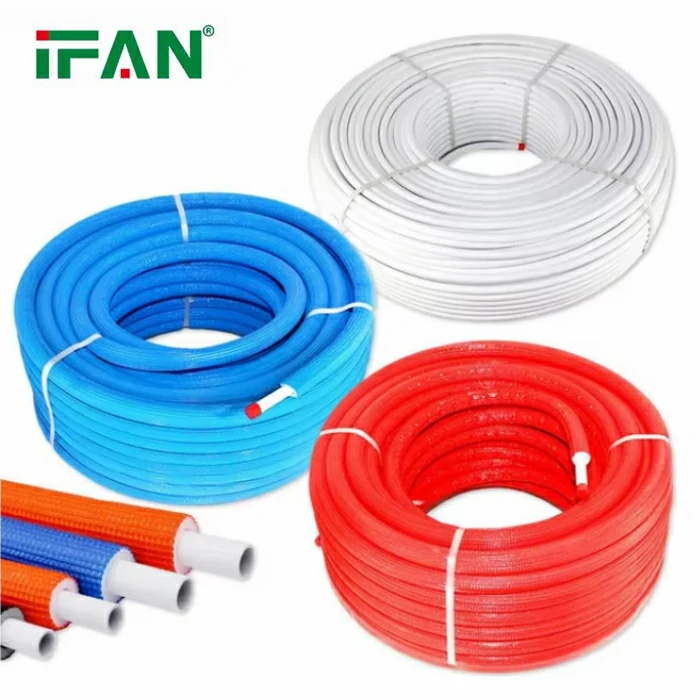
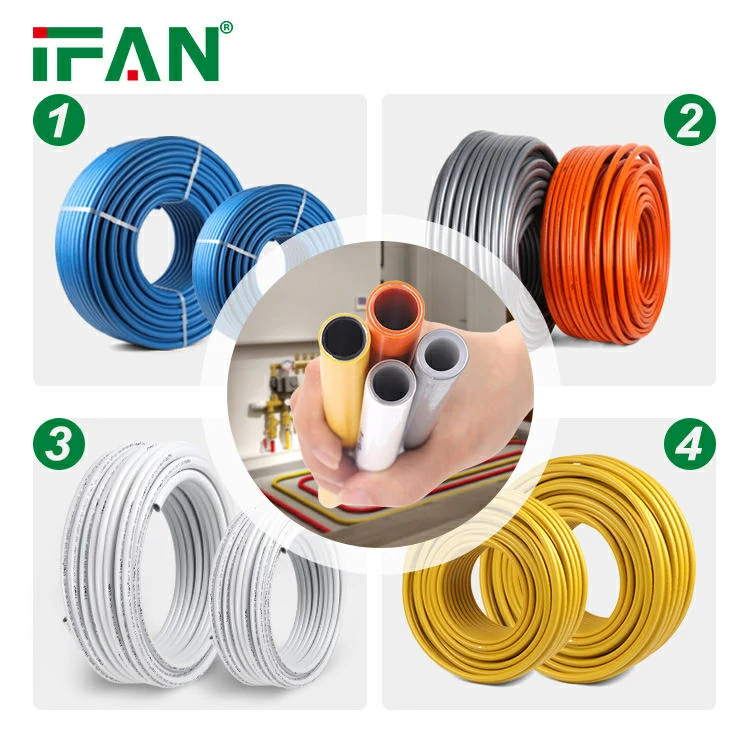
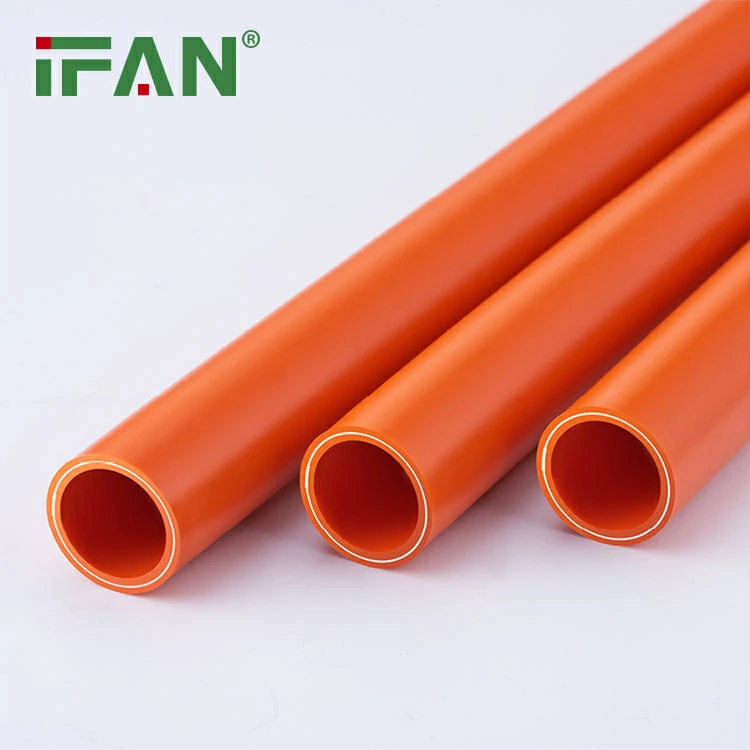
Professional plumbing contractors need piping systems that are reliable, easy to install, and suitable for different building projects. A good pipe should also handle temperature changes, water pressure, and long-term use. This is why multilayer aluminum pipe has become an important option for modern plumbing installations.
Unlike traditional single-layer plastic pipes, multilayer pipes combine different materials into one structured system. A typical design uses layers of polymer and aluminum. These layers work together to improve strength, flexibility, and dimensional stability.
For contractors, this combination can make installation more convenient. It can also provide reliable performance in residential, commercial, and heating applications.
What Is a Multilayer Aluminum Pipe?
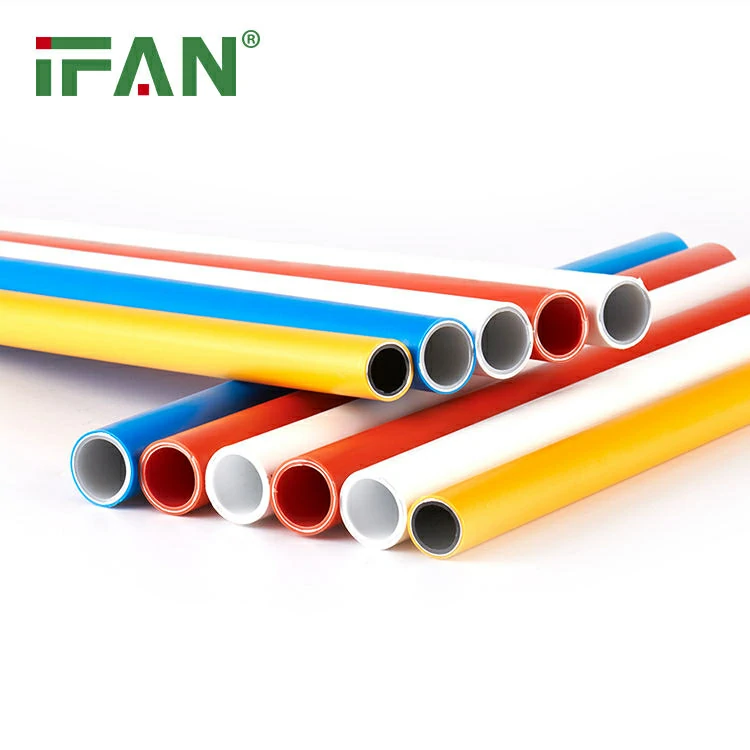
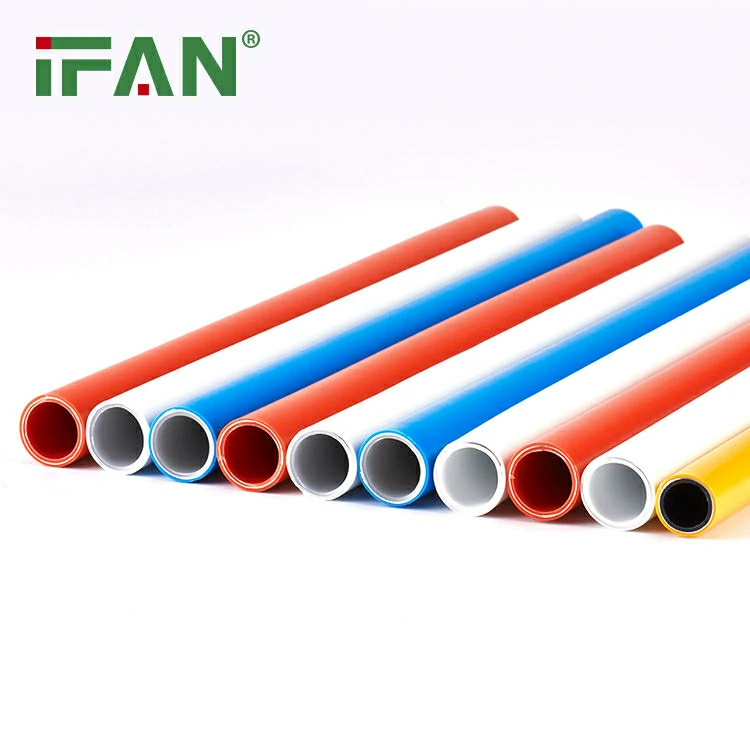
A multilayer aluminum pipe is a composite pipe made from several bonded layers. The exact structure can vary by manufacturer and application. Many systems use plastic layers around a central aluminum layer.
The aluminum layer gives the pipe additional rigidity. It also helps reduce thermal expansion compared with standard plastic piping. The inner polymer layer provides a smooth surface for water flow.
The outer layer protects the aluminum core from the surrounding environment. A strong bonding layer keeps the different materials connected during normal service.
This construction gives contractors a balance between flexibility and stability. The pipe can be bent during installation while maintaining its basic shape.
Why Contractors Use Multilayer Aluminum Pipe
Plumbing contractors often work under tight schedules. Materials need to be practical and predictable on the job site. Multilayer aluminum pipe can meet these requirements in several ways.
One advantage is its relatively low weight. Contractors can transport and handle long lengths more easily than many traditional metal pipes.
The pipe can also be bent for certain installation layouts. This helps reduce the number of connections required in some plumbing systems. Fewer connections may simplify installation and reduce potential leakage points.
Another important feature is dimensional stability. The aluminum layer helps control expansion when the pipe is exposed to temperature changes.
This can be useful for hot water and heating systems. Stable pipe dimensions can also help maintain a cleaner installation.
Multilayer Aluminum Pipe for Hot and Cold Water
Modern buildings often require separate hot and cold water supply systems. The piping material must be suitable for the expected operating conditions.
Multilayer aluminum pipe is commonly used for both applications when the selected product meets the required technical specifications.
For cold water systems, the smooth inner surface supports efficient water transportation. The pipe can also be installed through walls, floors, and other building areas.
For hot water systems, the multilayer construction provides additional dimensional stability. The aluminum core can help reduce movement caused by repeated heating and cooling cycles.
Contractors should always check the manufacturer’s pressure, temperature, and application ratings before selecting a pipe.
Multilayer Aluminum Pipe for Heating Systems
Heating applications are another important market for multilayer aluminum pipe. The material combination can provide useful properties for hydronic heating installations.
Underfloor heating systems require pipes that can follow planned installation layouts. Flexibility is therefore an important consideration.
A multilayer aluminum pipe can be shaped around rooms and heating zones during installation. The aluminum layer can then help the pipe retain its intended form.
The pipe is also suitable for certain radiator and domestic heating applications. The correct pipe specification depends on system pressure, operating temperature, and local installation standards.
For professional contractors, matching the pipe to the heating system is essential. Product documentation should always be reviewed before installation.
Key Benefits of Multilayer Aluminum Pipe
Several characteristics make multilayer aluminum pipe attractive for professional plumbing work.
Good dimensional stability:
The aluminum core helps reduce excessive expansion and contraction caused by temperature changes.
Flexible installation:
The pipe can be bent for many layouts, which can simplify routing around structural obstacles.
Lightweight construction:
Compared with many metal piping systems, multilayer pipe is easier to carry and handle on construction sites.
Smooth internal surface:
The inner polymer layer can provide a low-friction surface for water flow.
Corrosion resistance:
The polymer layers provide protection against many common water-related corrosion problems associated with metal pipes.
Wide application range:
Depending on the specification, multilayer pipes can be used in water supply, heating, and other building services.
Choosing the Right Multilayer Aluminum Pipe
Not every multilayer pipe is designed for the same application. Contractors should compare several technical factors before placing an order.
Pipe dimensions are one of the first considerations. Common sizes may include 16 mm, 20 mm, and larger diameters. The correct size depends on flow requirements and system design.
Working pressure is another important factor. A pipe used in a residential water supply system may have different requirements from one used in a commercial heating installation.
Temperature resistance should also be considered. Hot water and heating systems can operate at higher temperatures than ordinary cold water systems.
The connection method matters as well. Multilayer aluminum pipe may be compatible with different types of press fittings or compression fittings. Contractors should confirm compatibility between the pipe and fittings before installation.
Installation Considerations for Plumbing Contractors
Correct installation has a direct effect on the performance of any piping system. Contractors should follow the manufacturer’s installation instructions carefully.
The pipe should be cut cleanly before making a connection. Depending on the fitting system, calibration or deburring may also be required.
Proper bending tools can help prevent damage to the pipe. Excessive bending should be avoided because it may affect the pipe structure.
Connections should also be inspected before the system is placed into service. A pressure test can help identify installation problems at an early stage.
Professional installation practices are particularly important in concealed plumbing systems. Repairs can become more difficult after pipes are covered by walls or floors.
Multilayer Aluminum Pipe for Commercial Projects
Commercial buildings often require efficient plumbing solutions across larger areas. Hotels, apartments, offices, schools, and other facilities may have extensive water distribution networks.
In these projects, installation efficiency becomes increasingly important. Lightweight piping can make transportation and handling easier for installation teams.
The flexible nature of multilayer aluminum pipe can also help contractors create organized pipe routes. This is useful when several services must pass through limited spaces.
For larger projects, contractors should also consider supply capacity. Stable production and consistent product quality can reduce procurement risks during long construction schedules.
Why Pipe Quality Matters
A plumbing pipe is part of a building’s long-term infrastructure. Choosing a low-quality product can create problems after installation.
Professional buyers should review material structure, dimensions, pressure ratings, temperature ratings, connection compatibility, and relevant testing information.
Manufacturing consistency is also important. Pipes should maintain stable dimensions and bonding quality throughout production.
For wholesalers and plumbing contractors, reliable supply is another consideration. A capable manufacturer can provide consistent specifications across repeated orders.
IFAN Multilayer Aluminum Pipe Solutions
For contractors, distributors, and plumbing suppliers looking for dependable multilayer piping products, IFAN provides a broad range of professional plumbing solutions.
IFAN focuses on the production and supply of pipes, fittings, valves, and related plumbing components. Its product range covers different applications for residential, commercial, and building service systems.
With manufacturing experience, production capabilities, and customization support, IFAN can work with customers who require specific product specifications or project-based solutions.
For wholesalers and professional plumbing contractors, working directly with a manufacturer can also simplify product sourcing. It can provide better communication when discussing dimensions, fittings, packaging, and other requirements.
If you are sourcing multilayer aluminum pipe, contact IFAN to discuss product specifications, project requirements, factory pricing, and samples.
Conclusion
Multilayer aluminum pipe combines the advantages of polymer materials and aluminum construction. This makes it a practical choice for many modern plumbing and heating systems.
Its flexibility, dimensional stability, lightweight structure, and corrosion-resistant properties can support efficient installation. These features are especially useful for professional plumbing contractors working on residential and commercial projects.
However, product selection should always be based on the actual system requirements. Pressure, temperature, pipe size, connection method, and applicable standards all need to be considered.
With the right specification and proper installation, multilayer aluminum pipe can provide a reliable solution for modern water supply and heating systems. For contractors and distributors seeking a stable manufacturing partner, IFAN offers multilayer piping products and professional plumbing solutions for different project needs.