PPR Fittings for Residential Plumbing: A Practical Solution
Introduction
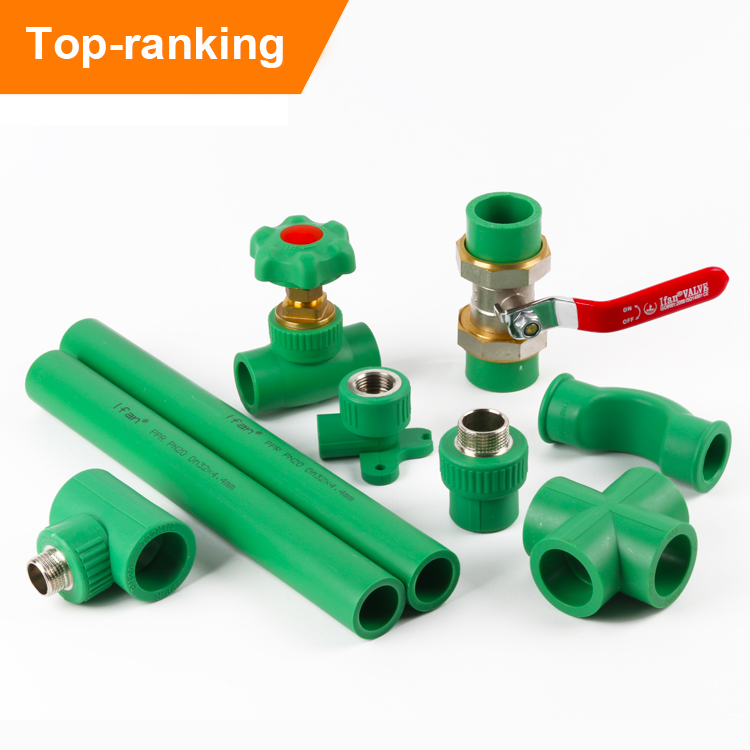
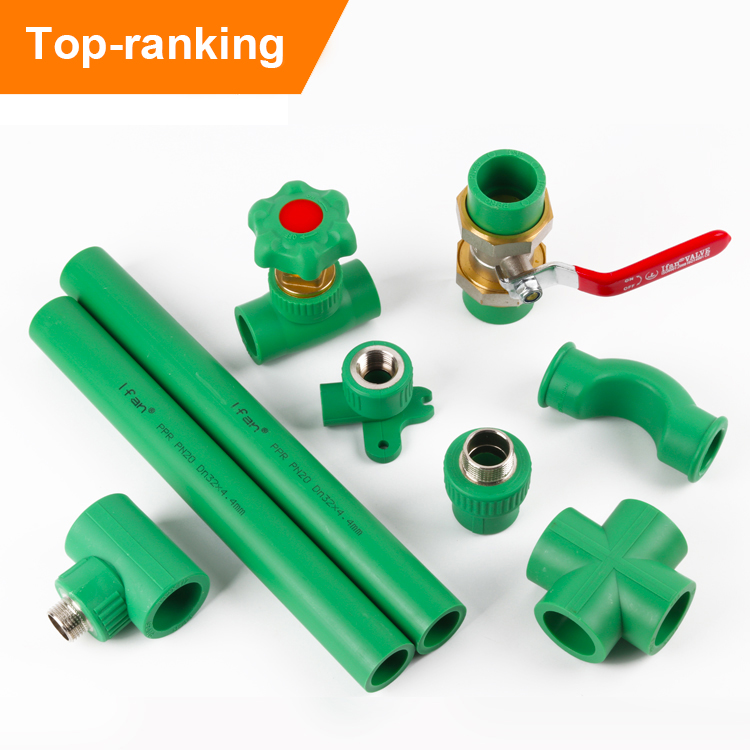
PPR fittings have gained popularity as a practical solution for residential plumbing systems. With their numerous advantages, including durability, ease of installation, and cost-effectiveness, PPR fittings offer homeowners a reliable and efficient plumbing solution. In this article, we will explore the benefits of using PPR fittings specifically for residential plumbing applications. Let’s delve into the details of why PPR fittings are a practical choice for residential plumbing.
1. Durability and Longevity
PPR fittings are known for their durability and longevity, making them an ideal choice for residential plumbing systems. Made from polypropylene random copolymer, PPR fittings are resistant to corrosion, chemical degradation, and scaling. These fittings can withstand high temperatures and pressures, ensuring a reliable and long-lasting plumbing system for residential properties. With PPR fittings, homeowners can have peace of mind knowing that their plumbing installation will withstand the test of time.
2. Easy Installation and Customization
One of the key advantages of PPR fittings for residential plumbing is their easy installation and customization. PPR fittings are lightweight, making them easy to handle and install. The heat fusion method used to join PPR pipes and fittings is straightforward and requires minimal training. Homeowners can even take on DIY plumbing projects, saving on installation costs. Additionally, PPR fittings are available in various sizes and types, allowing for customization and easy adaptation to different residential plumbing layouts.
3. Leak-Free Connections
PPR fittings provide leak-free connections, ensuring optimal water flow and preventing water damage in residential properties. The heat fusion process creates seamless and fused connections between pipes and fittings, eliminating the need for additional sealing materials or soldering. This results in a secure and watertight plumbing system that reduces the risk of leaks. Homeowners can enjoy a hassle-free plumbing experience without the worries of water leakage or subsequent repairs.
4. Resistance to Chemicals and Scaling
Residential plumbing systems often encounter chemicals and minerals present in water, which can cause corrosion and scaling in traditional plumbing materials. PPR fittings, on the other hand, exhibit excellent resistance to chemicals and scaling. The polypropylene material used in PPR fittings is highly resistant to the effects of chlorine, acids, and other substances commonly found in water. This resistance minimizes the need for frequent cleaning or descaling, reducing maintenance requirements for homeowners.
5. Cost-Effective Solution
PPR fittings offer a cost-effective solution for residential plumbing systems. The durable nature of PPR fittings eliminates the need for frequent replacements, resulting in long-term cost savings. The easy installation and customization of PPR fittings also contribute to reduced labor costs during the plumbing installation process. Moreover, the leak-free connections and resistance to chemicals and scaling minimize the potential for costly repairs and maintenance, further enhancing the cost-effectiveness of PPR fittings for homeowners.
6. Environmentally Friendly Option
In addition to their practical benefits, PPR fittings are considered an environmentally friendly option for residential plumbing systems. The manufacturing process of PPR fittings produces minimal waste and does not involve harmful substances. Furthermore, the durability and longevity of PPR fittings reduce the consumption of resources and the generation of waste associated with frequent replacements.
Conclusion
PPR fittings offer a practical solution for residential plumbing systems. Their durability, ease of installation, leak-free connections, resistance to chemicals and scaling, cost-effectiveness, and environmental friendliness make them an excellent choice for homeowners. By opting for PPR fittings, residential properties can benefit from a reliable, efficient, and long-lasting plumbing system that ensures optimal water flow and minimizes maintenance and repair costs.