The Role of PPR Fittings in Water Conservation
Water conservation is an important issue all over the world. As the global population grows and urbanization expands, demands for water have increased rapidly. However, with climate change and other environmental factors, water resources are becoming scarce. Thus, it is essential to find methods to conserve water. In this context, PPR fittings have played an essential role in promoting efficient water utilization.
What are PPR fittings?
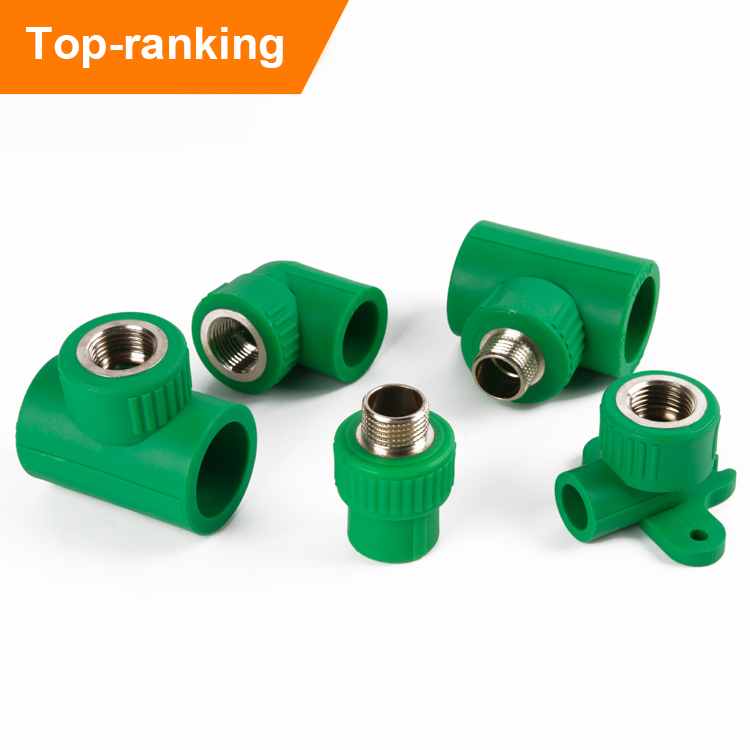
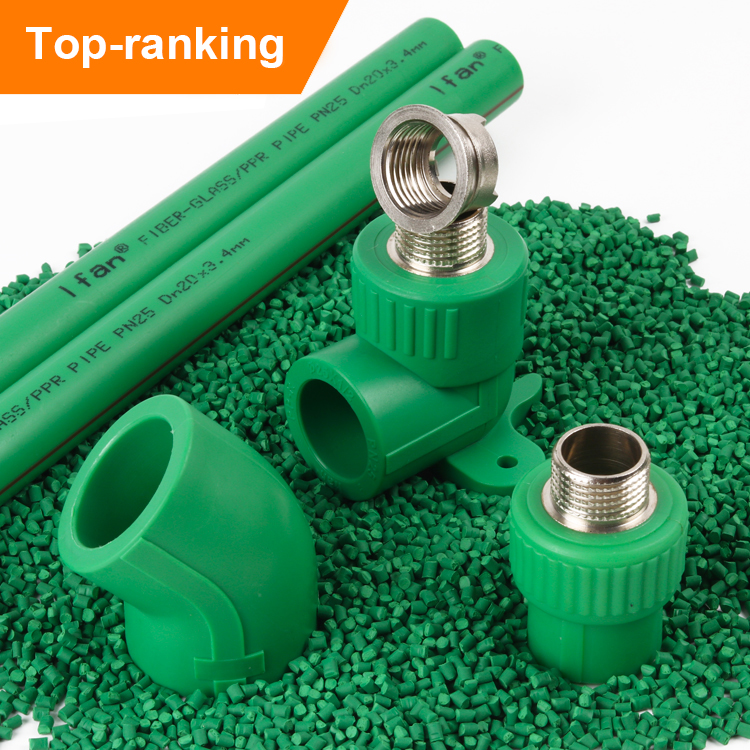
PPR fittings are a type of plumbing material made from polypropylene. They are durable, strong, and have a high temperature resistance. PPR fittings are ideal for use in plumbing applications such as piping, heating, and cooling systems.
The Role of PPR Fittings in Water Conservation
PPR fittings play a significant role in water conservation in many ways. Some of these ways are outlined below:
- Leak Prevention
Water leaks waste thousands of gallons of water annually. PPR fittings are designed to provide a perfect seal and prevent leakage. They have a smooth inner surface that resists scaling, which ensures that there is no buildup of minerals and debris. This prevents blockages and clogging, thus minimizing the chances of leaks occurring.
- Efficient Water Distribution
PPR fittings are designed to connect pipes seamlessly, which ensures efficient water distribution. The seamless connections reduce friction and resistance of water flow, thus optimizing water usage. This means that less water is required to achieve the same results.
- Durable and Long-Lasting
PPR fittings are resistant to corrosion, rust, and chemical damage, which means that they last longer. They do not break down over time, and as such, do not need to be frequently replaced. This means that resources are not wasted in the production of new fittings, and less waste enters the environment.
- Easy to Install
PPR fittings are easy to install, and this makes the entire plumbing process faster, more efficient, and less invasive. As such, there is minimal disruption to the environment, and less water is wasted due to the reduced duration of the installation process.
Conclusion
PPR fittings may seem like a small aspect of water conservation, but their role is significant. They prevent leaks, optimize water distribution, last longer, and reduce water waste. This makes them an essential aspect of modern plumbing systems, which can contribute to the conversation of water resources. By using PPR fittings, we can reduce our water footprint and leave a cleaner, greener world for future generations.