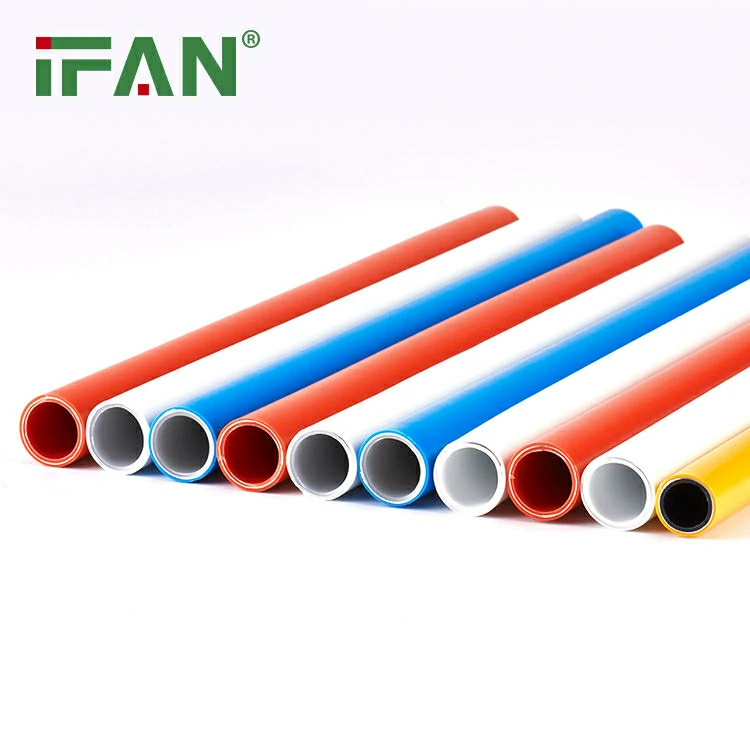
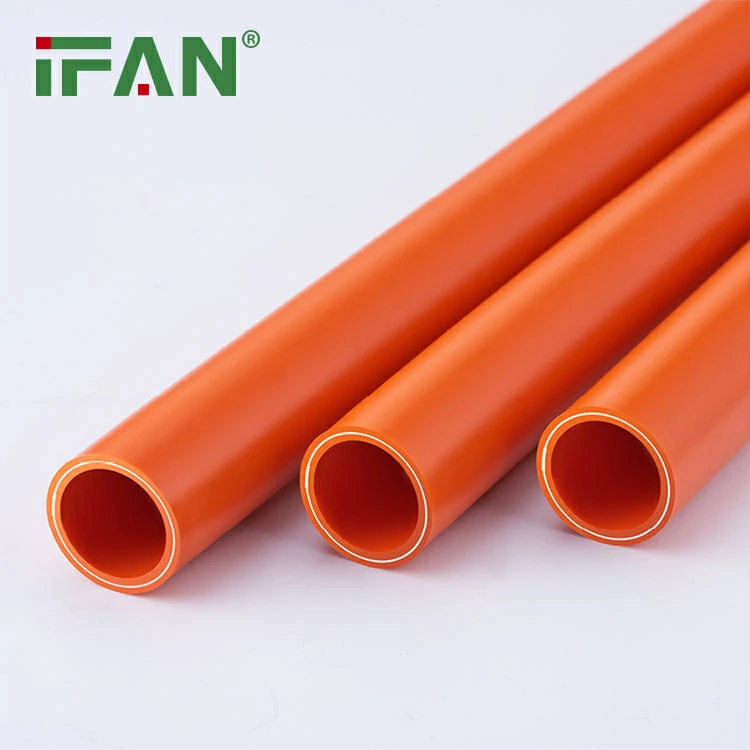
Introduction to the Strengths of PPR in Industrial Settings
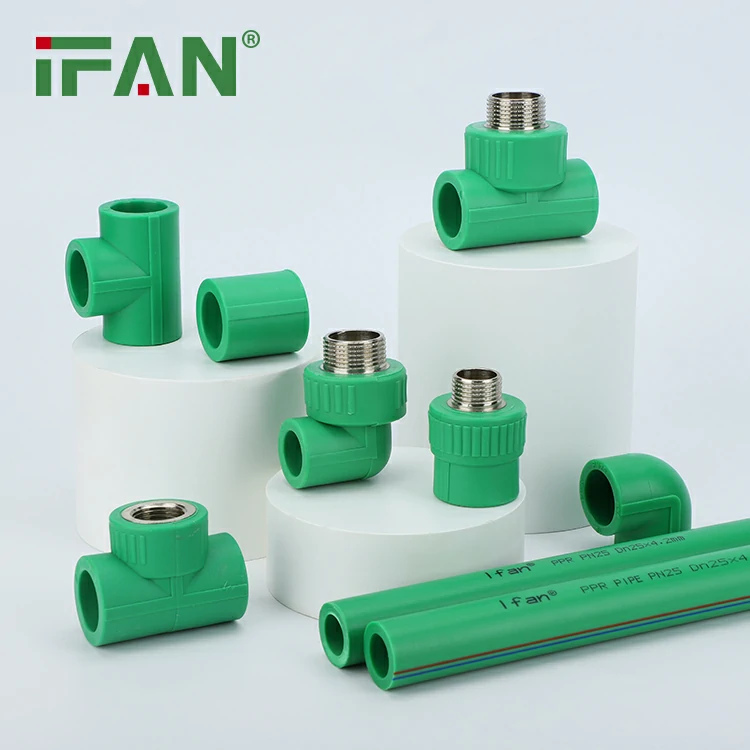
PPR (Polypropylene Random Copolymer) pipe fittings have emerged as a reliable and versatile solution for industrial pipeline systems. Their unique combination of properties, including heat resistance, pressure tolerance, and corrosion resistance, makes them an ideal choice for various industrial applications.
Heat and Pressure Resistance for Robust Performance
One of the key strengths of PPR pipe fittings lies in their exceptional heat and pressure resistance. Capable of withstanding high temperatures and pressures, they ensure uninterrupted fluid flow even in demanding industrial environments. This makes PPR fittings a preferred choice for industries such as petrochemicals and power generation, where pipelines are exposed to extreme conditions.
Corrosion-Free Durability for Longevity
PPR pipe fittings exhibit outstanding corrosion resistance, protecting against the damaging effects of chemicals commonly found in industrial fluids. This durability translates into extended service life and reduced maintenance costs. Industries like chemicals, pharmaceuticals, and food processing rely on PPR fittings to ensure safe and contamination-free fluid transfer, while minimizing the risk of leaks and failures.
Simplified Installation for Efficient Construction
The ease of installation is another significant advantage of PPR pipe fittings. Using hot-melt welding, these fittings can be quickly and securely connected, simplifying the construction process and reducing labor costs. The lightweight nature of PPR also facilitates handling and transportation, further enhancing installation efficiency. This makes PPR fittings an attractive option for large-scale industrial projects requiring rapid deployment.
Environmental Sustainability and Energy Efficiency
PPR pipe fittings contribute to environmental sustainability by being recyclable and non-toxic. They also exhibit good insulation properties, helping to reduce energy loss during fluid transportation. In where energy efficiency and eco-friendliness are paramount, PPR fittings align with the sustainable development goals of many industries.
Cost-Effectiveness Across the Lifecycle
From initial investment to long-term maintenance, PPR pipe fittings offer cost savings. Their durability and low maintenance requirements translate into reduced replacement and repair costs over the lifetime of the pipeline system. Additionally, the competitive pricing of PPR fittings makes them an economical choice for industrial applications, balancing cost and performance effectively.
In conclusion, PPR pipe fittings have firmly established themselves as a reliable and cost-effective solution for industrial pipeline systems. Their heat and pressure resistance, corrosion-free durability, simplified installation, environmental sustainability, and cost-effectiveness make them an ideal choice for a wide range of industries, ensuring safe, efficient, and sustainable fluid transfer.