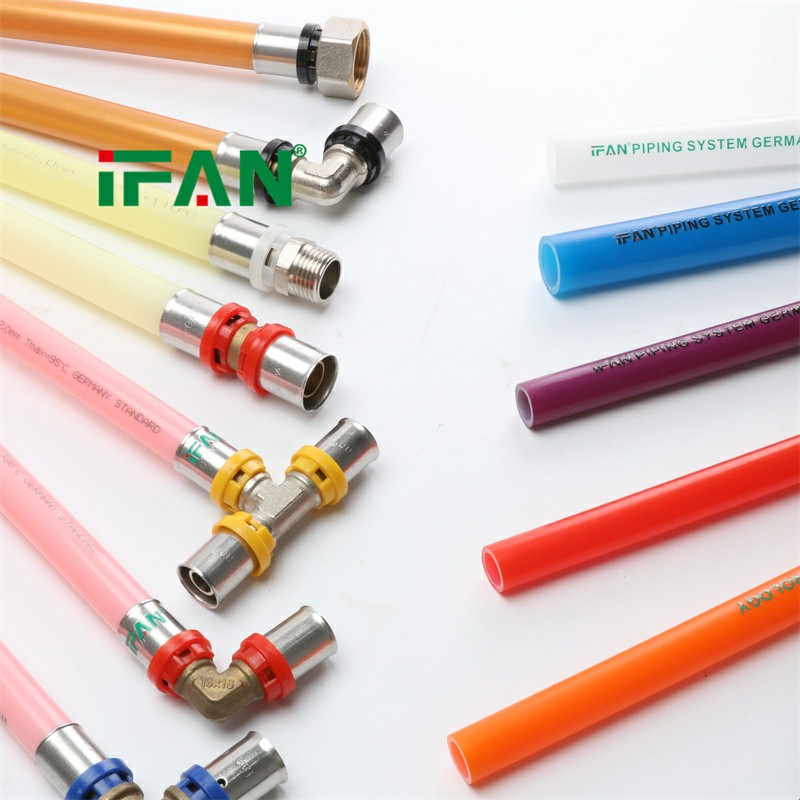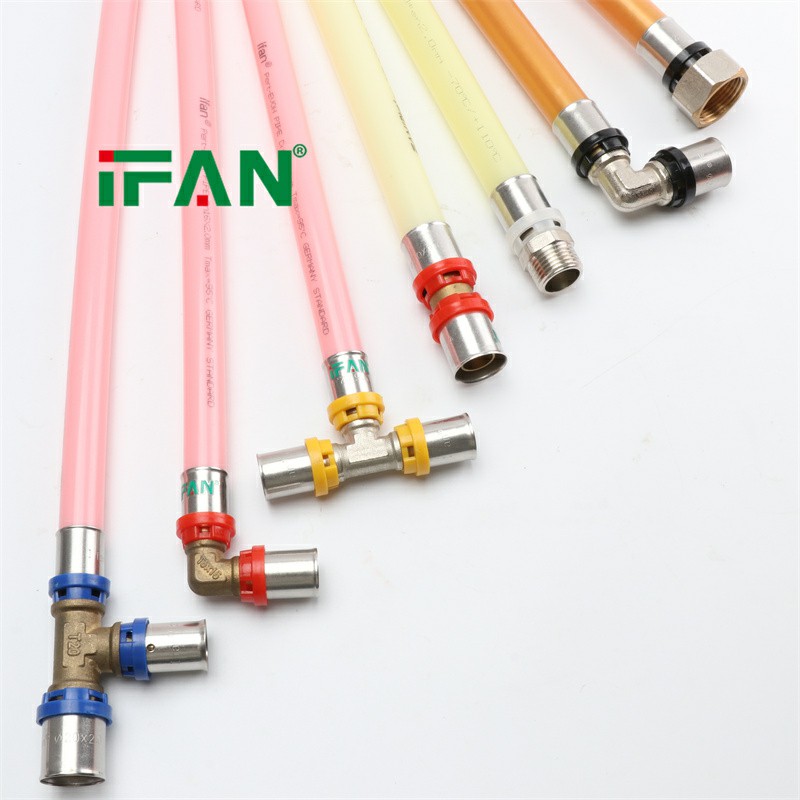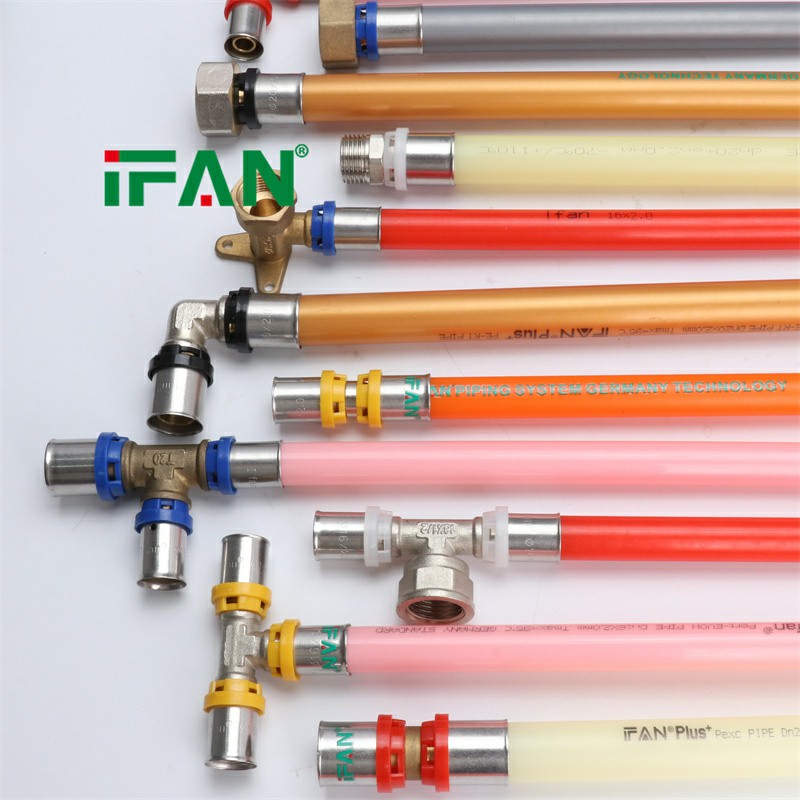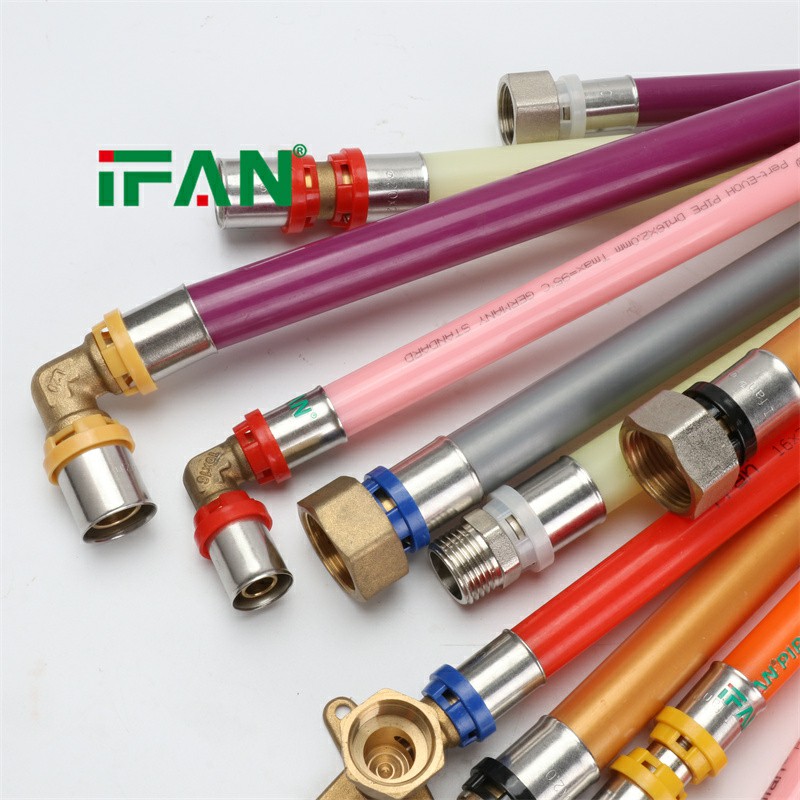
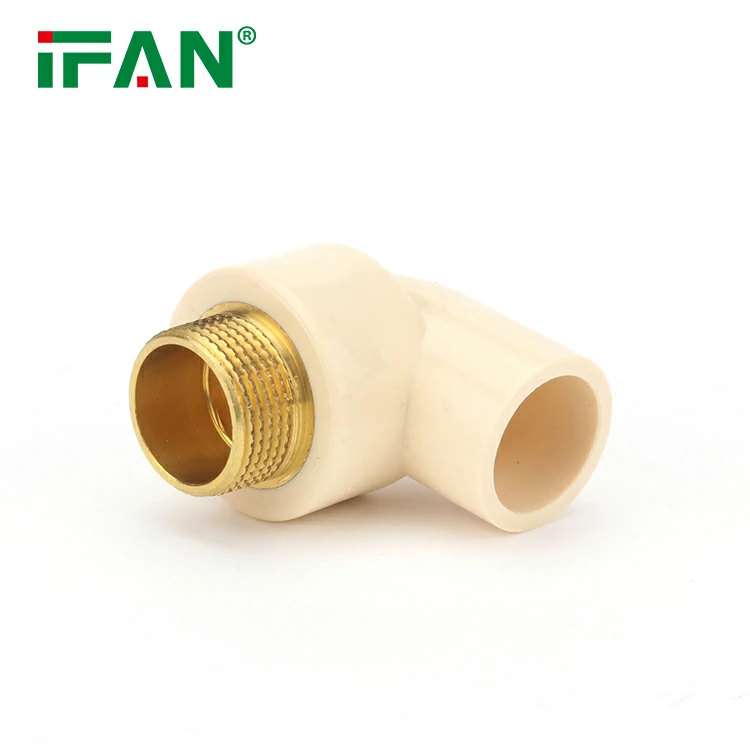
ASTM2846(501) CPVC Pipe Fittings: A Great Option for High Pressure Applications

CPVC Pipe Fittings: A Great Option for High Pressure Applications

CPVC pipe fittings have become increasingly popular in high pressure applications due to their superior properties and benefits. Here are some of the advantages of using CPVC pipe fittings:

  1. High Temperature Resistance

CPVC pipe fittings can withstand high temperatures up to 200°F, making them perfect for hot water applications. They also have excellent thermal insulation properties which makes them energy efficient.

  1. Corrosion Resistance

Unlike metal counterparts, CPVC pipe fittings are inert to acids, alkalis, salts, and other corrosive chemicals. This makes them ideal for use in chemical processing plants, wastewater treatment plants, and other corrosive environments.

  1. Strength and Durability

CPVC pipe fittings have high tensile and compressive strength, and are able to withstand high pressure without cracking or deforming. They are also highly resistant to impact, abrasion, and mechanical stress.

  1. Easy Installation

CPVC pipe fittings are light-weight and can be easily assembled using solvent cement. They require no special tools or equipment, and can be installed quickly without any delays.

Overall, CPVC pipe fittings offer superior performance and durability in high pressure applications, making them the ideal choice for various industries.

Meta Description: CPVC pipe fittings are a great option for high pressure applications due to their high temperature resistance, corrosion resistance, strength, durability, and easy installation.
Share:

Facebook
Twitter
Pinterest
LinkedIn

Leave a Comment

Your email address will not be published. Required fields are marked *

On Key

Related Posts

IFAN PEX Press Fittings for Tight Space Installations

IFAN PEX Press Fittings for Tight Space Installations

Overcoming the Challenges of Confined Areas Plumbing installations are rarely straightforward. Whether renovating an older home with cramped crawlspaces or fitting out a commercial building with dense mechanical rooms, contractors frequently encounter areas where space is severely limited. In these environments, traditional joining methods like soldering or threading become extremely difficult, time-consuming, and sometimes dangerous.

Corrosion Resistance of Brass in IFAN PEX Press Fittings

Corrosion Resistance of Brass in IFAN PEX Press Fittings

The Critical Role of Brass in Long-Term Plumbing Reliability When evaluating the lifespan of a plumbing system, the pipe itself often receives the most attention. However, the fittings that connect those pipes are equally vulnerable to environmental and chemical attack. In PEX press systems, the brass body is the structural foundation that holds the entire

How IFAN PEX Press Fittings Reduce Installation Time

How IFAN PEX Press Fittings Reduce Installation Time

The Economics of Speed in Modern Plumbing In the construction and plumbing trades, time is directly tied to profitability. Every hour spent on a job site translates to labor costs, equipment rental fees, and potential delays for other trades. While the material cost of a project is highly visible, the hidden cost of installation time

Pressure Testing Procedures for IFAN PEX Press Fittings

Pressure Testing Procedures for IFAN PEX Press Fittings

The Final Verification of System Integrity Installing a piping network involves hundreds of individual connections. While the mechanical design of IFAN PEX Press Fittings is engineered to create a permanent, leak-proof seal, the only way to guarantee that every joint has been properly executed is through rigorous pressure testing. This final step is non-negotiable. It

IFAN PEX Press Fittings Compatibility with Different PEX Pipes

IFAN PEX Press Fittings Compatibility with Different PEX Pipes

Understanding the PEX Landscape In modern plumbing and heating systems, PEX (cross-linked polyethylene) has become the standard for water distribution. However, not all PEX pipes are manufactured using the same process. There are three primary types—PEX-A, PEX-B, and PEX-C—each with distinct molecular structures and physical properties. For contractors and system designers, a critical question arises:

Get Free Quote NOW