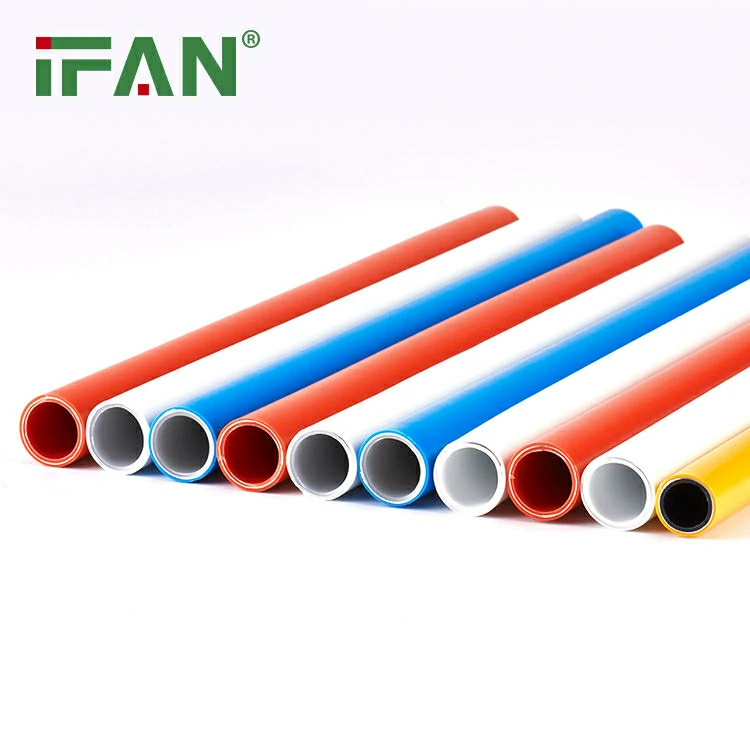
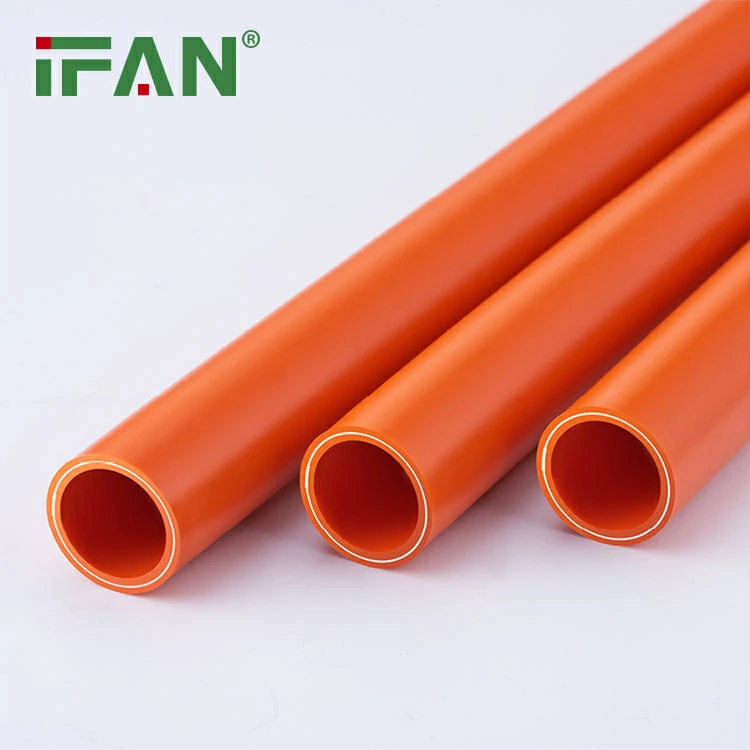
Diverse and Versatile CPVC Pipe Fittings for All Your Plumbing Needs
CPVC pipe fittings offer a wide range of benefits that make them an excellent choice for a variety of plumbing needs. They are durable, resistant to chemicals and corrosion, and can withstand high temperatures and pressure. This makes them ideal for use in residential, commercial, and industrial applications.
- The Benefits of CPVC Pipe Fittings
CPVC pipe fittings are made from a thermoplastic material that is strong, durable, and highly resistant to chemicals and corrosion. Unlike metal fittings, they do not rust, corrode, or degrade over time. They are also lightweight and easy to install, which makes them an ideal choice for a wide range of plumbing applications.
- The Different Types of CPVC Pipe Fittings
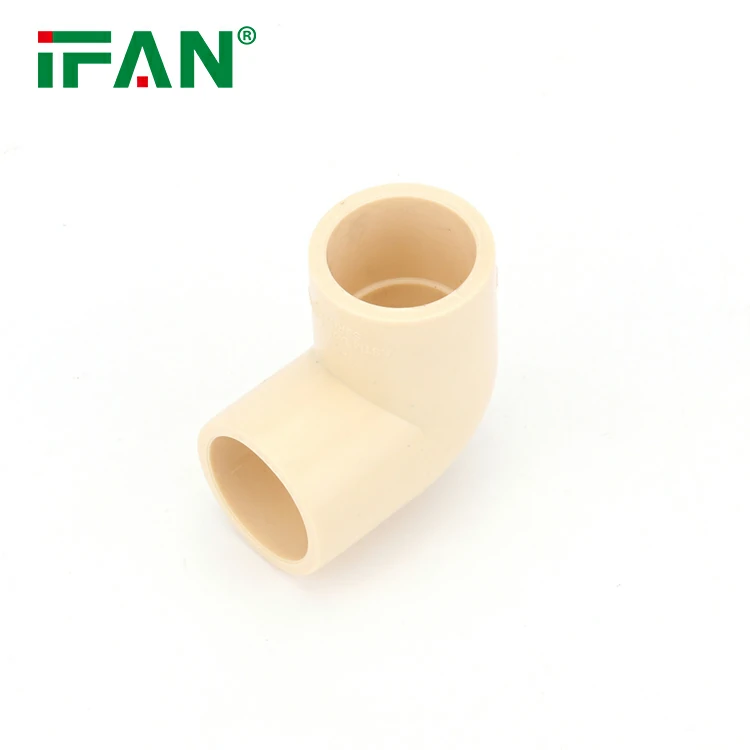
CPVC pipe fittings come in a wide range of types and sizes, including tees, elbows, couplings, adapters, and valves. They can be used for a variety of applications, including hot water supply, drainage systems, and industrial piping.
- Choosing the Right CPVC Pipe Fittings
When choosing CPVC pipe fittings, it is important to consider factors such as the size and type of the fitting, the temperature and pressure requirements of the application, and the chemical resistance of the material. Consulting with a professional plumber or piping engineer can help ensure that you choose the right fittings for your specific needs.
- Installation and Maintenance of CPVC Pipe Fittings
CPVC pipe fittings are designed for easy installation and maintenance. They can be installed using solvent welding or threaded connections, and are easy to clean and maintain over time. Regular inspection and maintenance can help ensure that your CPVC piping system remains in good working order for years to come.
In summary, CPVC pipe fittings offer a wide range of benefits that make them an excellent choice for a variety of plumbing needs. They are durable, lightweight, and easy to install, and can withstand high temperatures and pressure. By choosing the right CPVC pipe fittings and maintaining them properly, you can ensure that your plumbing system remains in good working order for years to come.