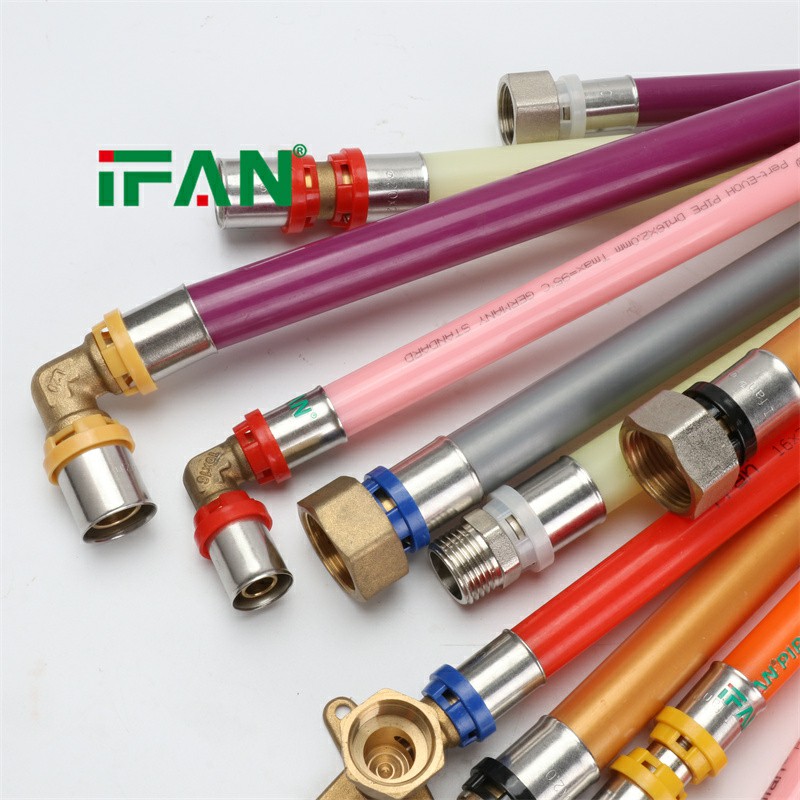
In the realm of modern plumbing solutions, versatility and reliability are paramount. Introducing CPVC Fitting Elbow, a cutting-edge product designed to optimize fluid flow and streamline piping systems. This comprehensive guide delves into the innovative features, benefits, and diverse applications of CPVC Fitting Elbow, setting a new standard for efficiency and performance in plumbing infrastructure.
Understanding the Essence of CPVC Fitting Elbow
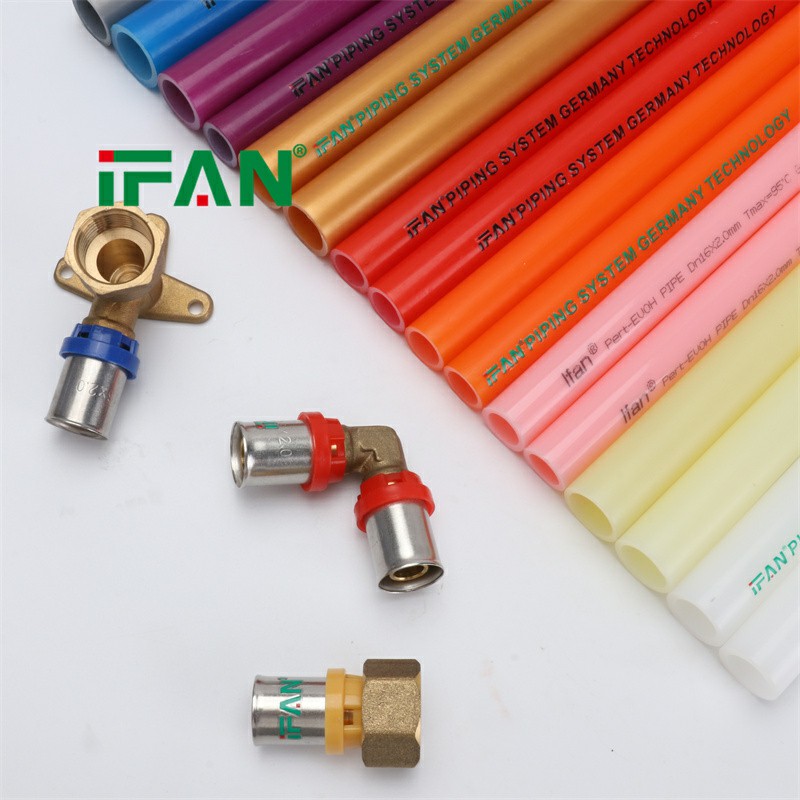
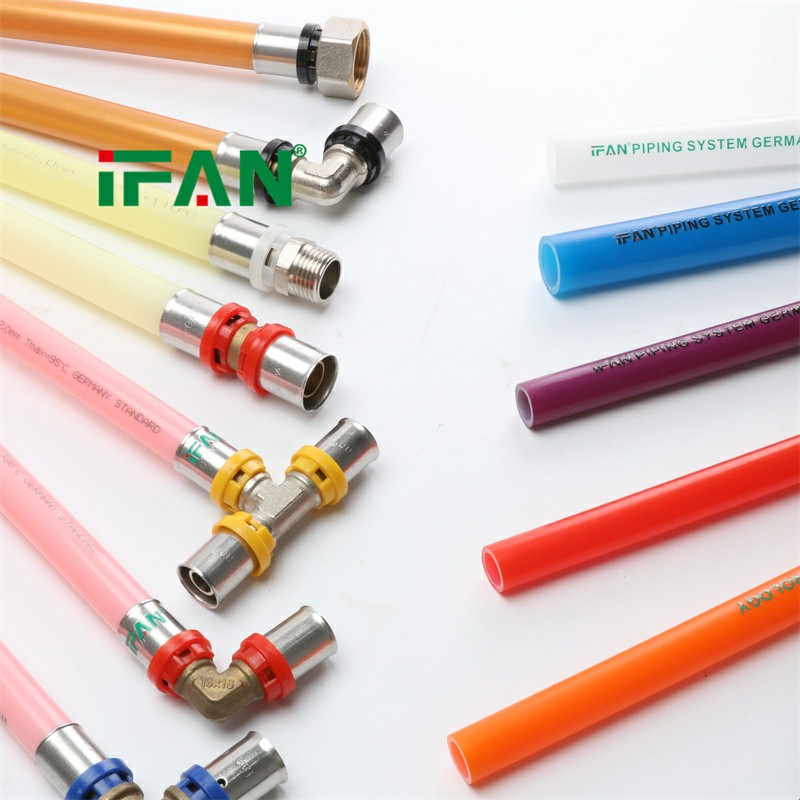
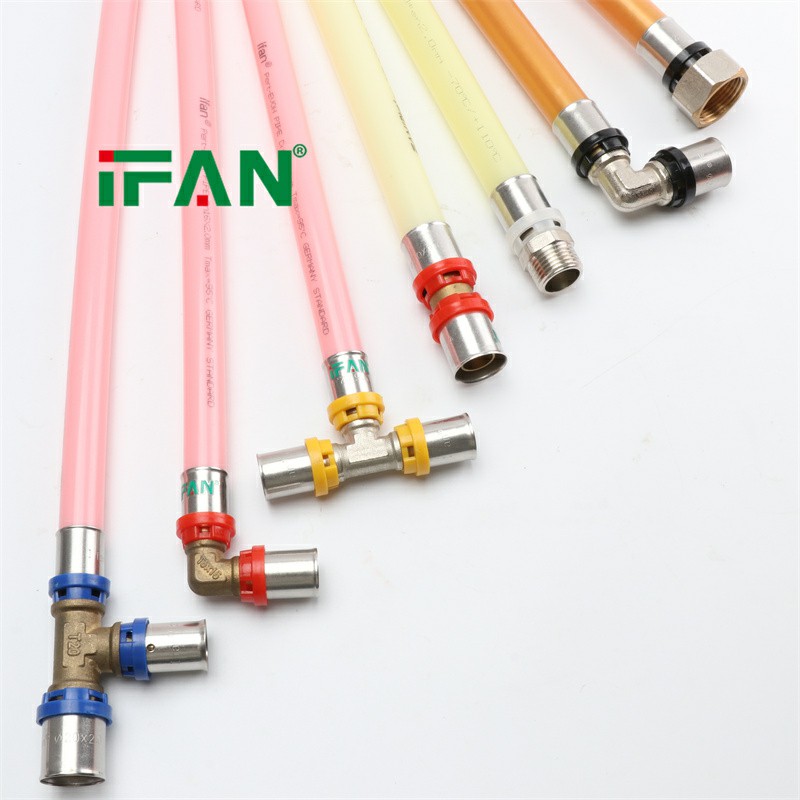
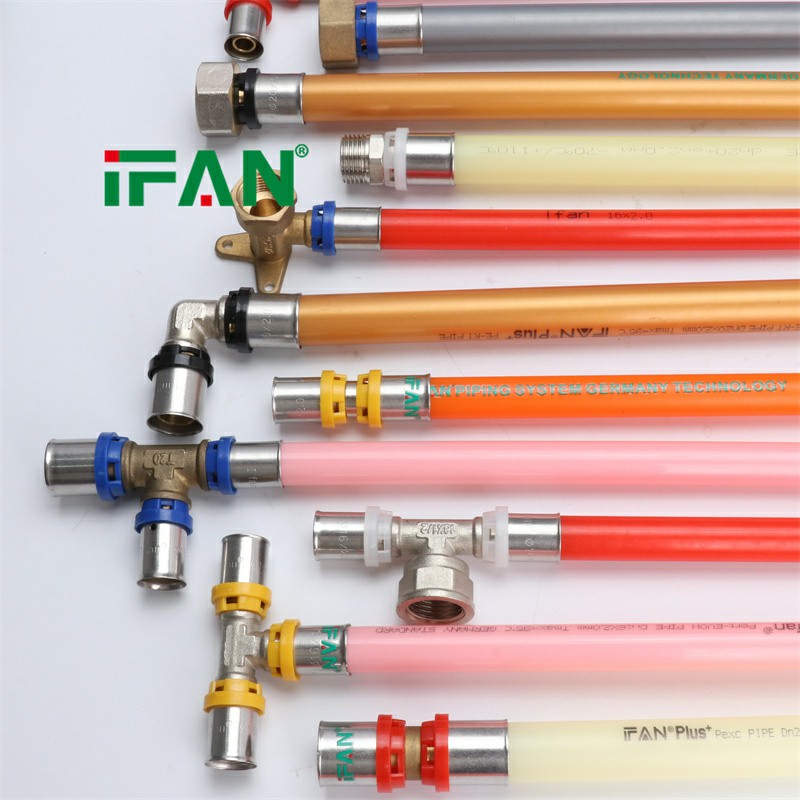
A cornerstone of piping connectivity, the CPVC Fitting Elbow is meticulously engineered to facilitate directional changes in piping systems while ensuring optimal fluid flow. Crafted from Chlorinated Polyvinyl Chloride (CPVC), this elbow boasts exceptional durability, chemical resistance, and thermal stability, making it a preferred choice for a wide range of applications.
Unveiling the Advantages of CPVC Fitting Elbow
Enhanced Flow Dynamics: CPVC Fitting Elbow is designed with precision to minimize flow resistance and turbulence, optimizing fluid flow efficiency and reducing energy consumption in piping systems.
Durable Construction: Constructed from CPVC, known for its exceptional strength and chemical resistance, CPVC Fitting Elbow offers long-term durability and reliability in both indoor and outdoor environments.
Corrosion Resistance: Resistant to corrosion and chemical degradation, CPVC Fitting Elbow maintains its integrity when exposed to harsh chemicals, acids, and alkalis, ensuring consistent performance in demanding applications.
Ease of Installation: Featuring a user-friendly design, CPVC Fitting Elbow facilitates quick and hassle-free installation, reducing labor costs and project timelines while ensuring leak-free connections.
Versatile Applications: From residential plumbing systems to industrial process piping, CPVC Fitting Elbow finds applications in a diverse range of industries, including water treatment, chemical processing, and HVAC systems.
Applications Across Industries
Residential Plumbing: In residential applications, CPVC Fitting Elbow enables smooth transitions around obstacles and tight spaces, ensuring efficient water distribution and drainage in kitchens, bathrooms, and utility rooms.
Commercial Buildings: From hotels and hospitals to office complexes and retail spaces, CPVC Fitting Elbow provides reliable connectivity for HVAC systems, fire suppression networks, and potable water distribution systems, maintaining comfort and safety for occupants.
Industrial Processes: In industrial settings, CPVC Fitting Elbow facilitates the conveyance of various fluids, including corrosive chemicals, process water, and industrial gases, supporting critical manufacturing processes with its robust construction and chemical resistance.
Agricultural Irrigation: CPVC Fitting Elbow plays a vital role in agricultural irrigation systems, allowing for efficient routing of water around fields, orchards, and greenhouse structures, maximizing crop yield while conserving water resources.
Conclusion
CPVC Fitting Elbow represents a pinnacle of innovation and reliability in piping solutions, offering unparalleled durability, chemical resistance, and flow efficiency. As industries continue to evolve and demand high-performance infrastructure solutions, this versatile product emerges as a cornerstone of modern plumbing engineering. With its myriad advantages and diverse applications, CPVC Fitting Elbow is poised to revolutionize the way piping systems are designed, constructed, and maintained, ushering in a new of excellence in fluid conveyance technology.
Free Sample(Click Here to Get Free Sample)