Introduction
The demand for efficient and sustainable water supply solutions has led to the increasing popularity of Polypropylene Random Copolymer (PPR) pipes in both Europe and the Asia Pacific region. PPR pipes are known for their durability, lightweight nature, and resistance to corrosion, making them an ideal choice for water supply systems in residential, commercial, and industrial applications. This report explores the current trends, growth drivers, and future outlook of the PPR pipe market in Europe and the Asia Pacific, projecting developments up to 2030.
Understanding PPR Pipes
What Are PPR Pipes?
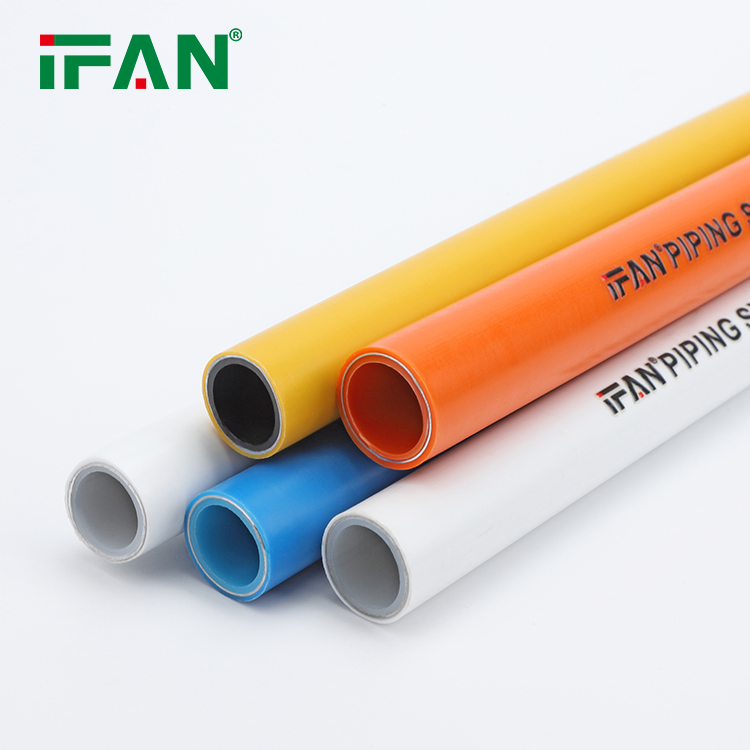
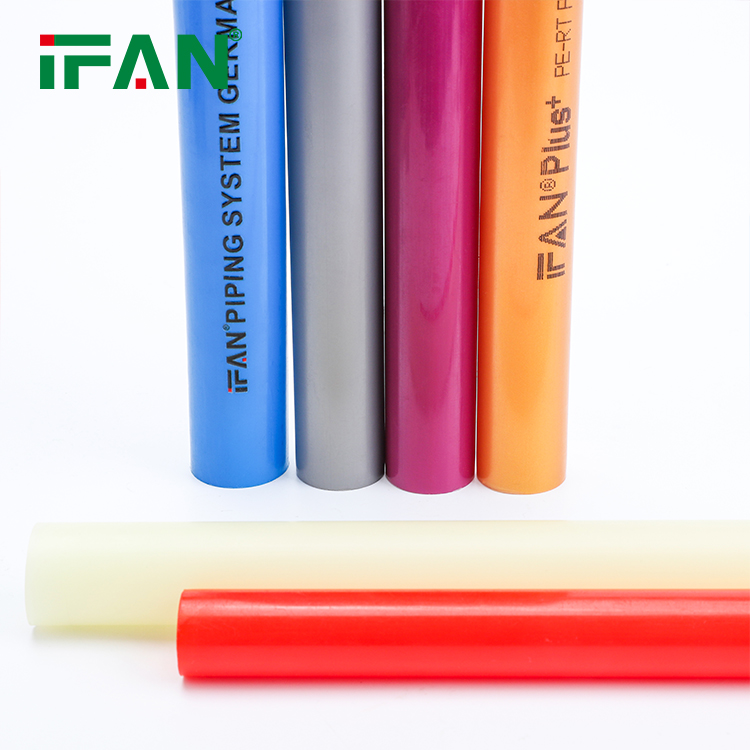
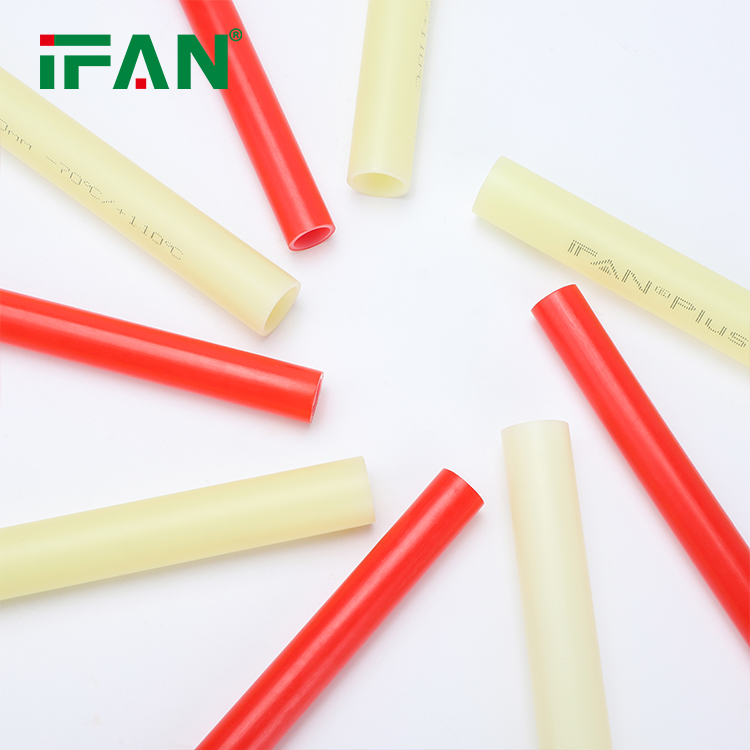
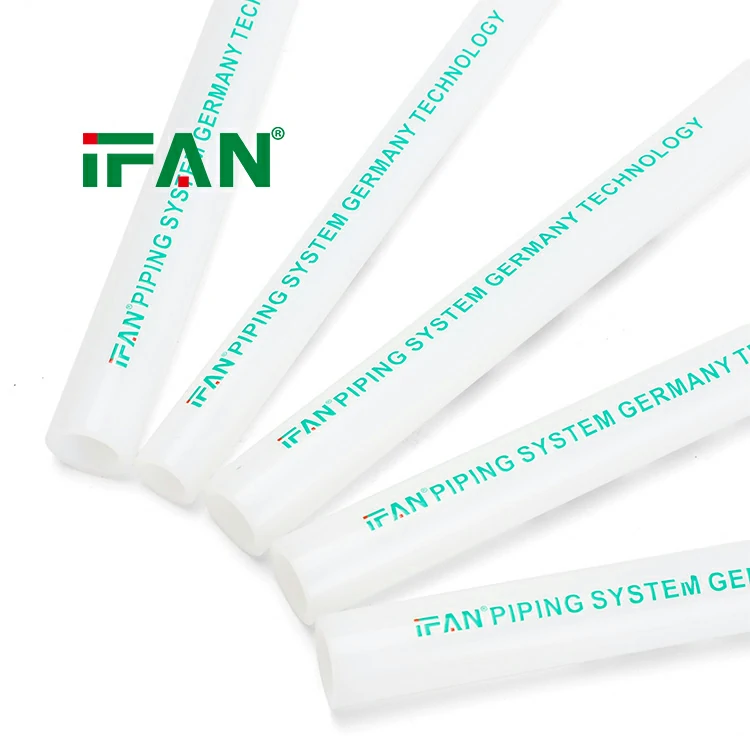
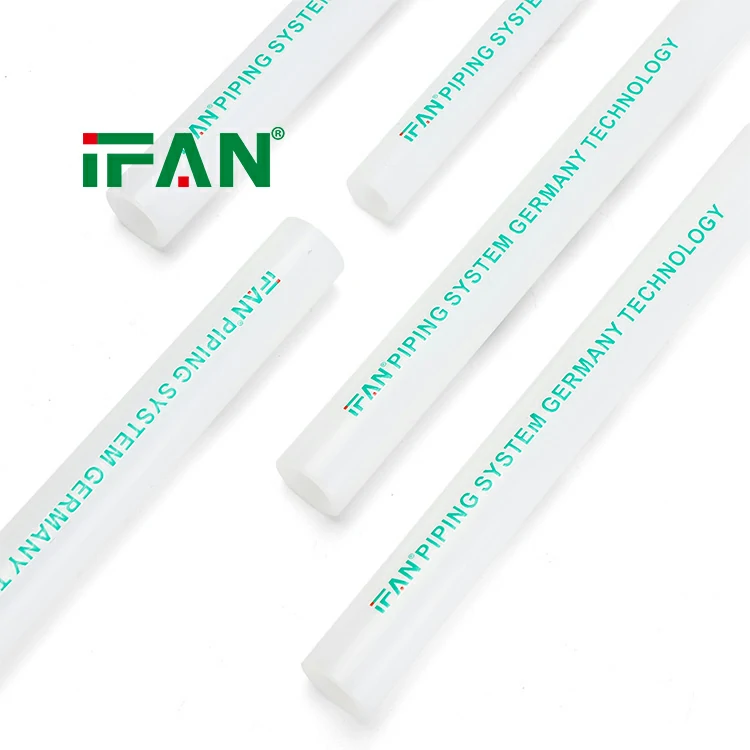
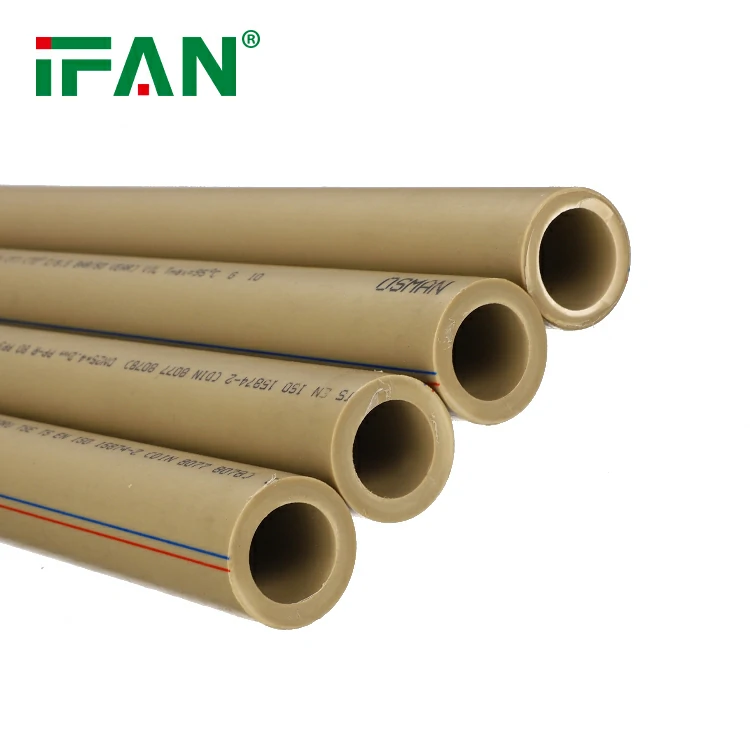
PPR pipes are made from polypropylene random copolymer, a thermoplastic polymer that exhibits excellent mechanical properties and chemical resistance. These pipes are widely used in plumbing systems for transporting hot and cold water, making them an essential component of modern infrastructure.
Key Features of PPR Pipes
- Durability: PPR pipes have a long lifespan, often exceeding 50 years, which makes them a cost-effective solution for water supply systems.
- Temperature Resistance: These pipes can withstand temperatures up to 95°C (203°F), making them suitable for both hot and cold water applications.
- Corrosion Resistance: PPR pipes do not corrode, ensuring that the water supply remains uncontaminated and safe for consumption.
- Lightweight: The lightweight nature of PPR pipes simplifies the handling and installation process, reducing labor costs.
- Low Maintenance: Due to their resistance to scaling and corrosion, PPR pipes require minimal maintenance, resulting in lower long-term costs for users.
Market Overview
Current Market Landscape
The PPR pipe market in Europe and the Asia Pacific is witnessing significant growth due to increasing urbanization, infrastructure development, and rising demand for reliable water supply systems. The shift towards sustainable construction practices is also driving the adoption of PPR pipes, as they are considered eco-friendly alternatives to traditional materials.
Growth Drivers
- Urbanization: Rapid urbanization in both Europe and the Asia Pacific is leading to increased demand for housing and infrastructure, driving the need for efficient water supply systems.
- Government Initiatives: Governments in these regions are implementing policies and regulations to promote sustainable building practices, further boosting the demand for PPR pipes.
- Rising Awareness of Water Quality: Concerns over water quality and safety are prompting consumers and businesses to invest in high-quality piping solutions, such as PPR pipes.
- Technological Advancements: Innovations in PPR pipe manufacturing and installation techniques are improving the efficiency and reliability of water supply systems.
Regional Analysis
Europe
The European PPR pipe market is characterized by stringent regulations regarding water quality and safety. Countries such as Germany, France, and the UK are leading the way in adopting PPR pipes for residential and commercial applications. The focus on sustainability and eco-friendly materials is driving the growth of the PPR pipe market in Europe.
Asia Pacific
The Asia Pacific region is experiencing rapid economic growth, leading to increased investments in infrastructure development. Countries like China, India, and Japan are witnessing significant demand for PPR pipes due to their expanding urban populations and the need for reliable water supply systems. The region’s focus on sustainable development is also contributing to the growth of the PPR pipe market.
Future Outlook: PPR Pipe Market by 2030
Market Projections
The global PPR pipe market is expected to grow significantly over the next decade. By 2030, the market in Europe and the Asia Pacific is projected to reach substantial figures, driven by the factors mentioned above. The increasing adoption of PPR pipes in various applications, including residential, commercial, and industrial sectors, will contribute to this growth.
Trends to Watch
- Sustainability Initiatives: As environmental concerns continue to rise, the demand for sustainable building materials like PPR pipes will increase. Manufacturers will focus on eco-friendly production processes and recyclable materials.
- Smart Water Management: The integration of smart technologies in water supply systems will enhance the efficiency of PPR pipes. Smart sensors and monitoring systems will help in managing water flow and detecting leaks, further improving the reliability of water supply.
- Expansion of Distribution Networks: Companies in the PPR pipe market will expand their distribution networks to reach untapped markets in rural areas and developing regions, increasing accessibility to high-quality piping solutions.
- Innovative Manufacturing Techniques: Advances in manufacturing technologies, such as 3D printing and automation, will lead to the production of more efficient and cost-effective PPR pipes, meeting the growing demand in the market.
- Increased Competition: As the PPR pipe market grows, competition among manufacturers will intensify. Companies will focus on product differentiation, quality assurance, and customer service to gain a competitive edge.
Challenges in the PPR Pipe Market
Market Challenges
- Initial Costs: The initial investment for PPR pipes may be higher compared to traditional materials, which can deter some consumers and businesses from making the switch.
- Lack of Awareness: There may be a lack of awareness among contractors and developers regarding the benefits of PPR pipes, hindering their adoption in certain regions.
- Regulatory Compliance: Ensuring compliance with local regulations and standards can be challenging for manufacturers, especially when entering new markets.
- Economic Fluctuations: Economic instability and fluctuations in raw material prices can impact the growth of the PPR pipe market, affecting production costs and pricing strategies.
Conclusion
The PPR pipe market in Europe and the Asia Pacific is poised for significant growth by 2030, driven by urbanization, government initiatives, and rising awareness of water quality. As consumers and businesses increasingly prioritize sustainable and efficient water supply solutions, PPR pipes will play a crucial role in meeting these demands. By addressing the challenges and leveraging emerging trends, manufacturers can position themselves for success in this evolving market.
Frequently Asked Questions (FAQs)
1. What are PPR pipes used for?
PPR pipes are primarily used for transporting hot and cold water in plumbing systems, making them suitable for residential, commercial, and industrial applications.
2. What are the advantages of PPR pipes over traditional materials?
PPR pipes offer several advantages, including durability, corrosion resistance, lightweight construction, low maintenance requirements, and enhanced water quality.
3. How long do PPR pipes last?
PPR pipes can last over 50 years under normal conditions, making them a long-term investment for water supply systems.
4. Are PPR pipes eco-friendly?
Yes, PPR pipes are recyclable and do not leach harmful substances into the water supply, making them an environmentally friendly choice for construction.
5. What factors are driving the growth of the PPR pipe market?
The growth of the PPR pipe market is driven by factors such as urbanization, government initiatives promoting sustainability, rising awareness of water quality, and technological advancements in manufacturing.