How Brass Fittings Have Revolutionized the HVAC Industry: Inside Secrets Revealed
The HVAC (Heating, Ventilation, and Air Conditioning) industry has evolved significantly over the years, with the advent of several new technologies and products. Brass fittings are a recent addition to the HVAC industry, and they have completely revolutionized the way HVAC systems are designed and installed.
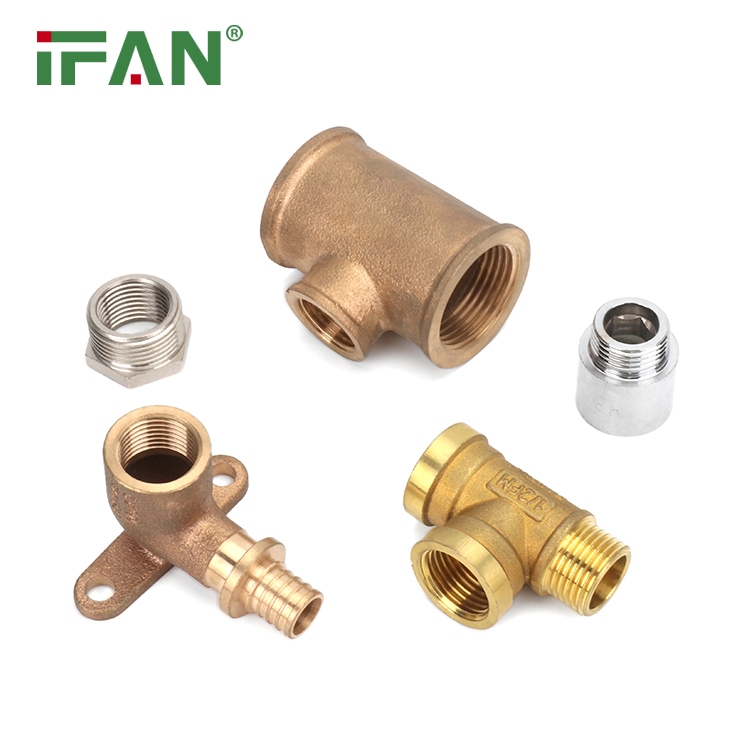
Brass fittings are made from copper and zinc alloys, making them incredibly durable and resistant to corrosion. This makes them an ideal material for HVAC systems that handle a lot of moisture and corrosive fluids. Additionally, brass fittings are highly resistant to temperature and pressure changes, making them perfect for use in high-pressure HVAC applications.
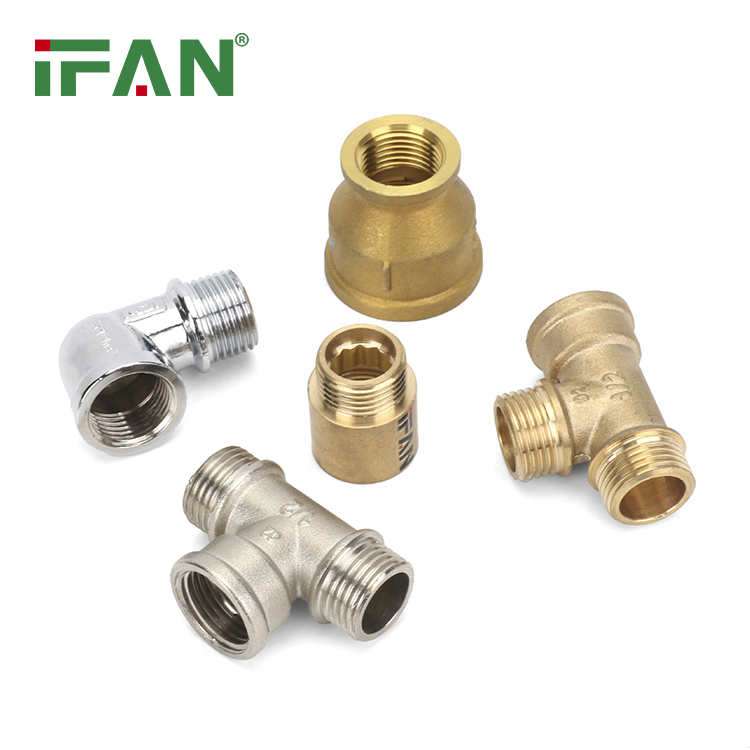
One of the main advantages of brass fittings is their versatility. They come in a wide range of sizes and shapes, allowing them to be used in a variety of HVAC applications. From small air conditioning units to large heating systems, brass fittings can be used in almost any HVAC system.
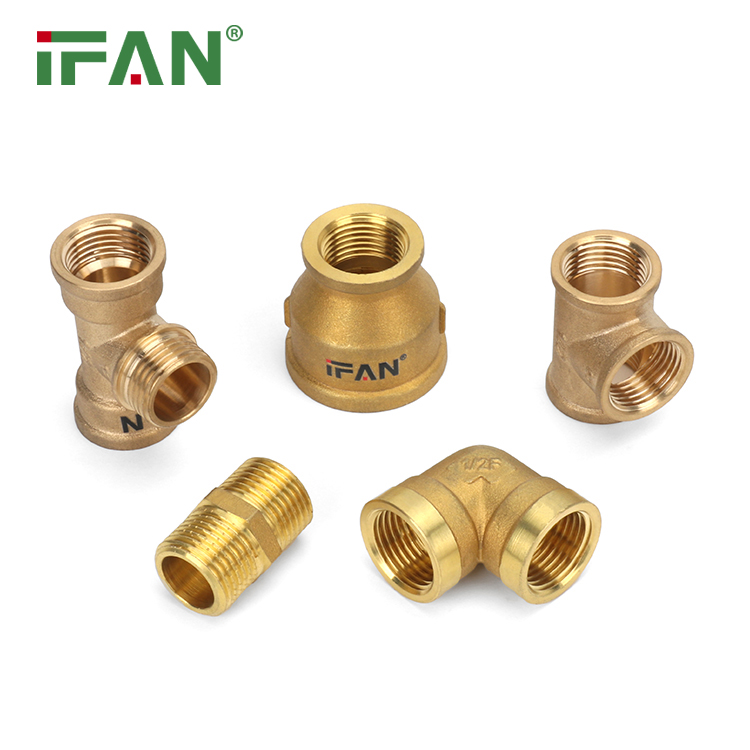
Another significant advantage of brass fittings is their reliability. Unlike other materials that may be prone to leaks or failures, brass fittings are incredibly durable and long-lasting. This means that HVAC systems that use brass fittings require minimal maintenance and have lower operating costs in the long run.
Additionally, brass fittings offer tremendous value to HVAC contractors and installers. They are easy to install and require minimal training, which means that contractors can install HVAC systems more quickly and efficiently. Time is money in the HVAC industry, so anything that can help contractors to work more efficiently is a significant advantage.
In conclusion, brass fittings have completely revolutionized the HVAC industry, thanks to their durability, reliability, versatility, and efficiency. As the HVAC industry continues to grow and evolve, it is clear that brass fittings will play an increasingly important role in the design and installation of HVAC systems. For HVAC contractors and installers looking to stay ahead of the curve, it is essential to understand the unique advantages of brass fittings and incorporate them into their HVAC designs and installations.
So, if you are an HVAC contractor or installer looking for a reliable and durable material for your next project, consider using brass fittings. With their many benefits and advantages, brass fittings are sure to take your HVAC design and installation services to the next level.