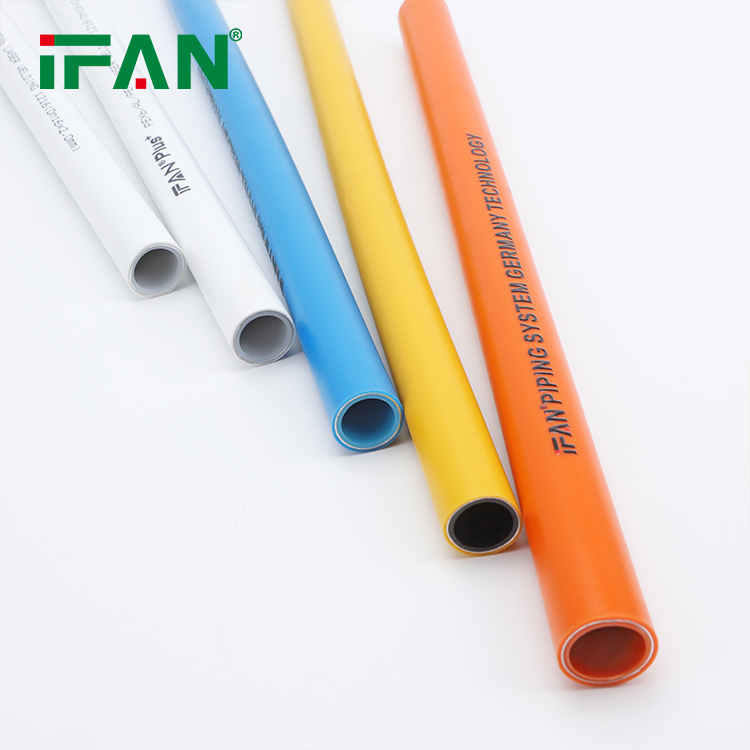
Painting PVC pipe can be a fun and exciting DIY project for those who want to add some color or style to their PVC pipes. Whether it’s to decorate your garden, create a backdrop for a party, or give some character to your home décor, adding paint to PVC pipes is an easy and affordable way to achieve the desired effect.
Here are some steps you can follow to paint PVC pipe:
- Clean the PVC surface: Before painting, it’s important to clean the PVC pipe thoroughly. Use a gentle soap and water mixture, and clean the pipe with a soft cloth or sponge.
- Sand the surface: Next, lightly sand the surface of the PVC pipe to create a rough texture. This will help the primer and paint adhere better to the surface.
- Apply primer: Apply a coat of primer to the PVC pipe using a spray can or brush. This will help the paint stick to the surface better and give it a smoother finish.
- Paint the PVC pipe: Once the primer has dried, you can start painting the PVC pipe. Use a spray can or brush and apply the paint in thin and even layers.
- Allow the paint to dry: After painting, allow the PVC pipe to dry thoroughly. This may take a few hours or a day, depending on the type of paint used.
- Apply a clear coat: Once the paint is dry, you can apply a clear coat to protect it from scratches and damage.
By following these simple steps, you can easily paint your PVC pipes and give them a fresh and exciting look. So, go ahead and get your creative juices flowing and paint those PVC pipes to add charm and personality to your living space.
What type of paint is best for painting PVC pipes?
When it comes to painting PVC pipes, it’s crucial to choose the right type of paint that will adhere well to the surface and provide long-lasting results. PVC pipes are smooth and non-porous, which makes them challenging to paint. Therefore, it’s essential to use a paint that is specifically designed for plastic surfaces.
One of the best types of paint for painting PVC pipes is acrylic latex paint. It’s a water-based paint that dries quickly and creates a durable finish. Acrylic latex paint is also known for its excellent adhesion, flexibility, and resistance to cracking and peeling. It’s available in a wide variety of colors and finishes and can be easily applied with a brush or roller.
Another excellent option is a spray paint designed explicitly for plastic surfaces. These paints are specially formulated to bond with plastic and provide a smooth, even finish. They come in a variety of colors and finishes and are perfect for painting PVC pipes.
In conclusion, when painting PVC pipes, choose a paint that is specifically designed for plastic surfaces, such as acrylic latex paint or plastic spray paint, for the best results.
What is the most effective way to apply paint to PVC pipes?
When it comes to painting PVC pipes, it’s crucial to choose the right type of paint that will adhere well to the surface and provide long-lasting results. PVC pipes are smooth and non-porous, which makes them challenging to paint. Therefore, it’s essential to use a paint that is specifically designed for plastic surfaces.
One of the best types of paint for painting PVC pipes is acrylic latex paint. It’s a water-based paint that dries quickly and creates a durable finish. Acrylic latex paint is also known for its excellent adhesion, flexibility, and resistance to cracking and peeling. It’s available in a wide variety of colors and finishes and can be easily applied with a brush or roller.
Another excellent option is a spray paint designed explicitly for plastic surfaces. These paints are specially formulated to bond with plastic and provide a smooth, even finish. They come in a variety of colors and finishes and are perfect for painting PVC pipes.
In conclusion, when painting PVC pipes, choose a paint that is specifically designed for plastic surfaces, such as acrylic latex paint or plastic spray paint, for the best results.