Introduction
In the world of plumbing and water management, the choice of materials is crucial for ensuring durability, safety, and efficiency. As the demand for high-quality plumbing solutions continues to grow, Huliot has stepped up to the plate by launching a new range of Polypropylene Random Copolymer (PPR) pipes specifically designed for the retail segment. This article explores the features, benefits, and applications of Huliot’s PPR pipes, shedding light on their impact on the plumbing industry and the advantages they offer to both consumers and professionals.
Understanding PPR Pipes
What are PPR Pipes?
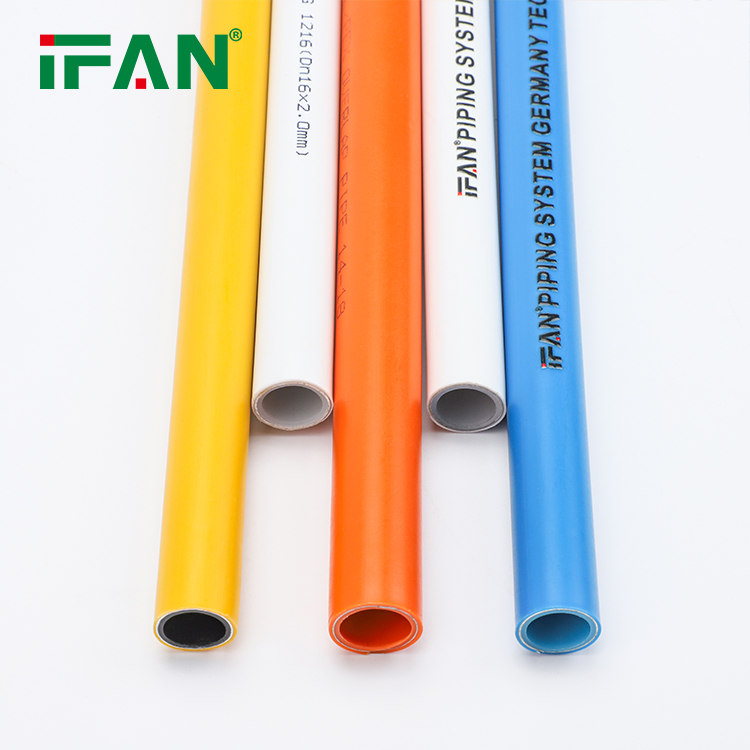
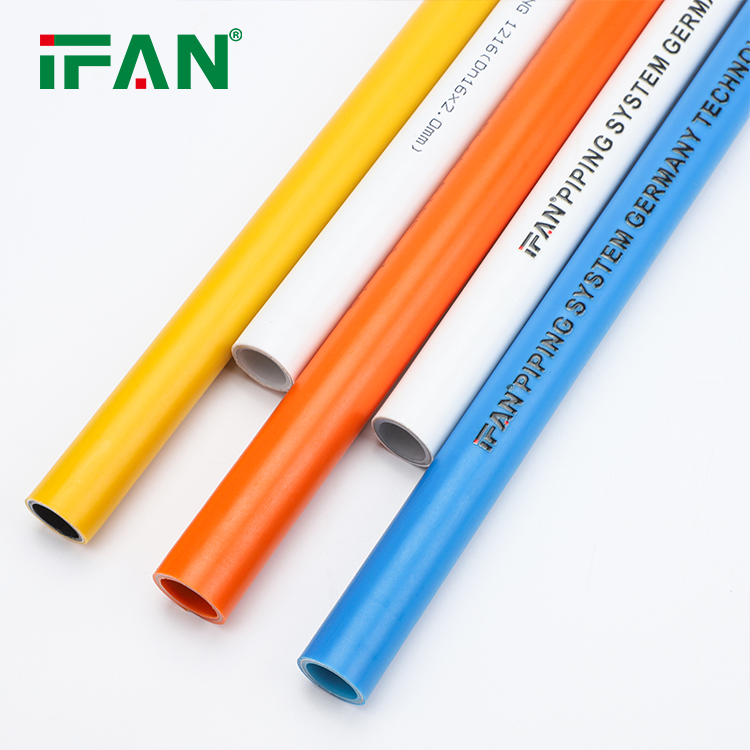
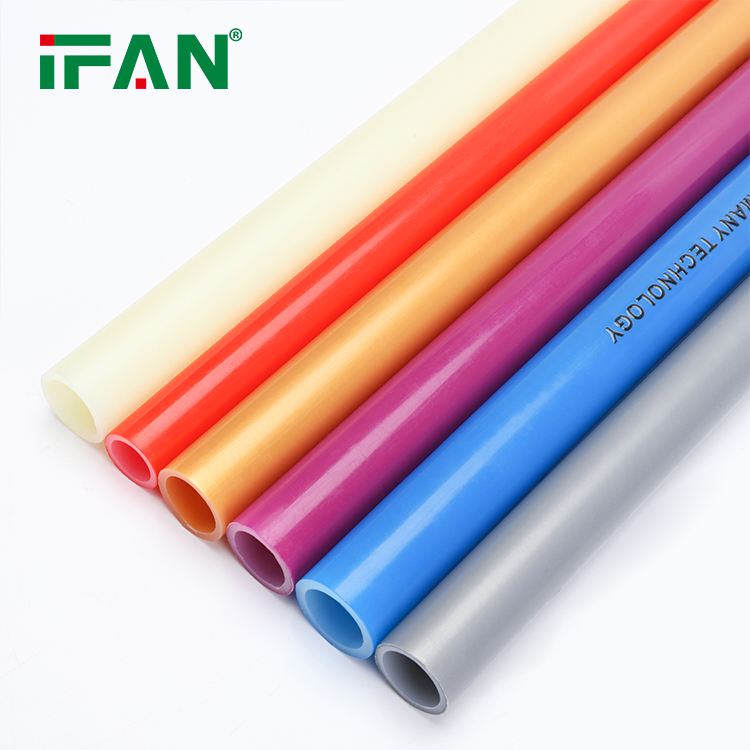
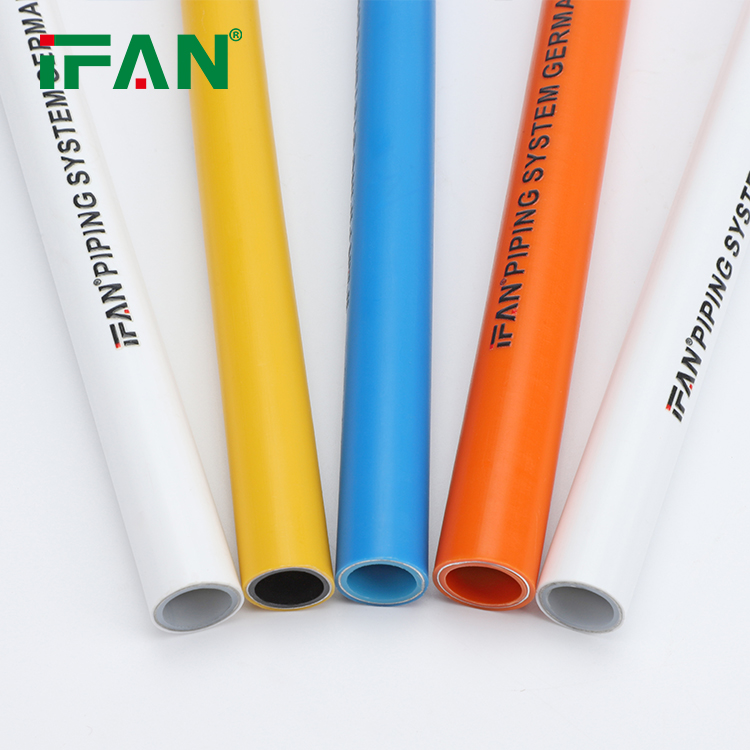
Polypropylene Random Copolymer (PPR) pipes are a type of thermoplastic piping system that is widely used in plumbing applications. Known for their lightweight nature, resistance to corrosion, and excellent thermal insulation properties, PPR pipes are ideal for transporting both hot and cold water. Their versatility makes them suitable for various applications, from residential plumbing to large-scale industrial projects.
Benefits of PPR Pipes
- Durability: PPR pipes can last over 50 years with proper installation and maintenance, significantly reducing the need for replacements.
- Corrosion Resistance: Unlike metal pipes, PPR pipes do not rust or corrode, ensuring a safe and clean water supply.
- Ease of Installation: The lightweight nature of PPR pipes simplifies the installation process, reducing labor costs and installation time.
- Thermal Insulation: PPR pipes have excellent thermal insulation properties, minimizing heat loss in hot water systems and preventing condensation in cold water systems.
- Cost-Effectiveness: While the initial investment may be higher than some alternatives, the long-term savings in maintenance and replacement costs make PPR pipes a wise choice for plumbing systems.
Huliot’s New Retail Segment Range

Overview of Huliot
Huliot is a well-established name in the plumbing industry, known for its commitment to quality and innovation. With years of experience in manufacturing high-quality piping systems, Huliot has built a reputation for delivering reliable solutions that meet the needs of both professionals and consumers.
Launching the Retail Segment Range
In response to the growing demand for accessible plumbing solutions, Huliot has launched a new range of PPR pipes targeted at the retail market. This new segment aims to provide consumers with high-quality PPR pipes that are easy to install and suitable for various applications, including home renovations, DIY projects, and small-scale plumbing jobs.
Key Features of Huliot PPR Pipes
- High-Quality Materials: Huliot PPR pipes are manufactured using premium-grade polypropylene, ensuring excellent strength and durability.
- Variety of Sizes: The retail range includes a wide variety of pipe sizes and fittings, making it versatile for different plumbing needs.
- User -Friendly Design: Huliot has designed its PPR pipes with the end-user in mind, making them easy to handle and install for both professionals and DIY enthusiasts.
- Innovative Jointing Solutions: The pipes utilize advanced welding techniques, ensuring leak-proof joints and minimizing the risk of water loss.
- Compliance with Standards: Huliot PPR pipes meet international standards for safety and performance, making them a trusted choice for potable water systems.
The Importance of PPR Pipes in Plumbing
Ensuring Water Quality
Access to clean drinking water is a fundamental human right, and the materials used in plumbing systems play a significant role in ensuring water quality. PPR pipes, like those offered by Huliot, are designed to be safe for drinking water, with no leaching of harmful substances. This is crucial in preventing contamination and ensuring that communities have access to safe potable water.
Enhancing Efficiency in Water Distribution
Efficient water distribution systems are essential for meeting the demands of growing urban populations. Huliot PPR pipes offer several advantages that enhance the efficiency of water distribution systems:
- Smooth Interior Surface: The smooth interior of Huliot pipes reduces friction, allowing water to flow more freely and reducing energy costs associated with pumping.
- Lightweight Construction: The lightweight nature of PPR pipes makes them easier to handle and install, reducing labor costs and installation time.
- Leak-Free Joints: The innovative jointing solutions used in Huliot pipes minimize the risk of leaks, ensuring that water is delivered efficiently without loss.
Supporting Sustainable Water Management
Sustainable water management is essential in the face of climate change and increasing water scarcity. Huliot PPR pipes contribute to sustainability in several ways:
- Longevity: The durability of Huliot pipes means fewer replacements and less waste, contributing to a more sustainable plumbing infrastructure.
- Recyclability: At the end of their life cycle, PPR pipes can be recycled, reducing environmental impact.
- Energy Efficiency: The thermal insulation properties of PPR pipes help maintain water temperatures, reducing energy consumption in heating systems.
Applications of Huliot PPR Pipes
Residential Plumbing
Huliot PPR pipes are widely used in residential plumbing systems for both hot and cold water applications. Their durability and resistance to corrosion make them an ideal choice for home plumbing, ensuring that families have access to safe and reliable water.
Commercial and Industrial Use
In commercial and industrial settings, Huliot PPR pipes are utilized for a variety of applications, including:
- Heating Systems: The thermal insulation properties of Huliot pipes make them suitable for heating systems, including underfloor heating and radiator systems.
- Irrigation: Huliot pipes are also used in agricultural irrigation systems, providing efficient water transportation for crops.
- Fire Protection Systems: The durability and reliability of Huliot PPR pipes make them suitable for fire protection systems, ensuring that water is readily available in emergencies.
Infrastructure Development
As cities grow and infrastructure needs evolve, Huliot PPR pipes are increasingly being used in large-scale infrastructure projects. Their ability to withstand pressure and temperature fluctuations makes them a reliable choice for municipal water supply systems.
The Future of PPR Pipe Solutions
Innovations in PPR Pipe Technology
The plumbing industry is continuously evolving, with new technologies and innovations emerging to improve water management. Huliot is at the forefront of this evolution with its PPR pipes. Future innovations may include:
- Smart Pipe Technology: Integrating sensors into PPR pipes to monitor water quality and flow in real-time, enhancing maintenance and management.
- Advanced Coatings: Developing coatings that further enhance the durability and resistance of PPR pipes to environmental factors.
- Sustainable Manufacturing Processes: Continued efforts to reduce the environmental impact of manufacturing processes, including energy-efficient production methods.
Global Water Challenges
As the global population continues to rise, the demand for potable water will only increase. Addressing water scarcity and ensuring access to clean drinking water will require innovative solutions and collaboration across sectors. Huliot PPR pipes represent a significant step towards achieving these goals, offering a reliable and sustainable option for water transportation.
Conclusion
Huliot’s launch of its retail segment range of PPR pipes marks a significant advancement in the plumbing industry, providing consumers with access to high-quality, durable, and easy-to-install piping solutions. With their numerous advantages, including corrosion resistance, thermal insulation, and user-friendly design, Huliot PPR pipes are poised to become a preferred choice for both professionals and DIY enthusiasts. As the demand for safe and efficient water management continues to grow, Huliot remains committed to delivering innovative solutions that meet the evolving needs of the market.
FAQs
1. What are PPR pipes, and why are they used?
PPR pipes are made from Polypropylene Random Copolymer, a thermoplastic material known for its durability and resistance to corrosion. They are used for transporting hot and cold water in various plumbing applications.
2. What are the benefits of using Huliot PPR pipes?
Huliot PPR pipes offer numerous benefits, including durability, corrosion resistance, ease of installation, thermal insulation properties, and cost-effectiveness.
3. Are Huliot PPR pipes safe for drinking water?
Yes, Huliot PPR pipes are manufactured to meet international safety standards, ensuring they are safe for transporting potable water without leaching harmful substances.
4. Can Huliot PPR pipes be used for heating systems?
Yes, Huliot PPR pipes are suitable for both hot and cold water applications, including heating systems such as underfloor heating and radiator systems.
5. How long do Huliot PPR pipes typically last?
With proper installation and maintenance, Huliot PPR pipes can last over 50 years, making them a long-term solution for plumbing needs.