Introduction to Brass Ball Valves: A Reliable Choice for Plumbing Systems
Introduction
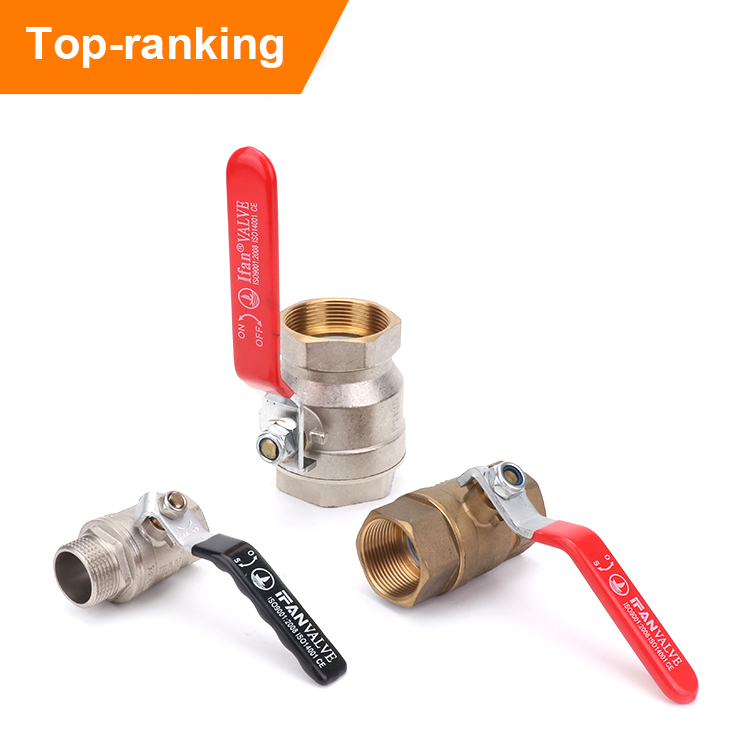
Brass ball valves are widely recognized as a reliable choice for plumbing systems due to their durability, versatility, and ease of use. In this article, we will provide an introduction to brass ball valves, highlighting their key features, advantages, and applications. Let’s delve into this topic by breaking it down into easy-to-understand sections.
1. The Basics of Brass Ball Valves
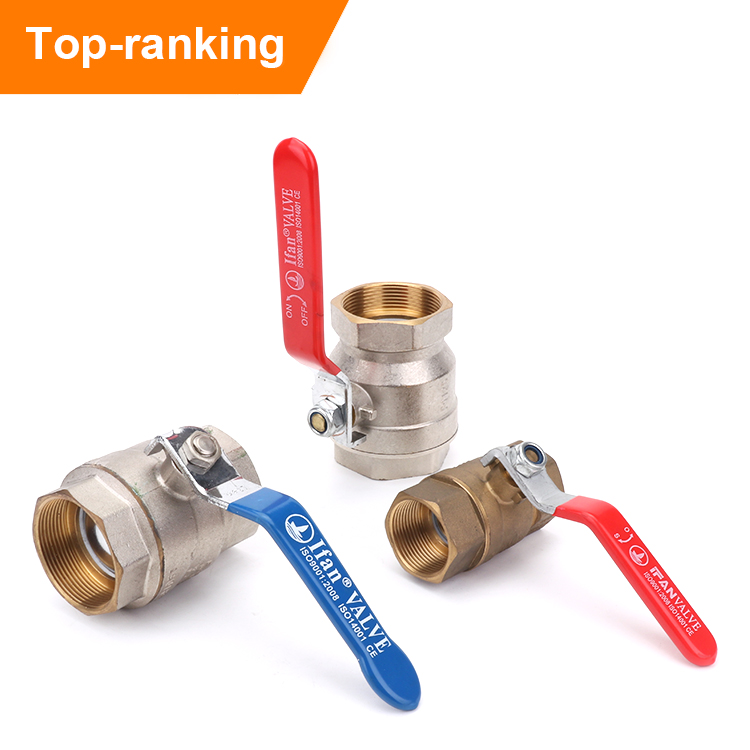
Brass ball valves are mechanical devices used to control the flow of liquids or gases in plumbing systems. They consist of a hollow brass ball with a hole (bore) in the center and a lever or handle to control the position of the ball. When the lever is perpendicular to the pipe, the valve is closed, and when it is parallel, the valve is open. This simple yet effective design allows for efficient flow control and shut-off capabilities.
2. Advantages of Brass Ball Valves
Brass ball valves offer several advantages that make them a reliable choice for plumbing systems. Firstly, brass is a durable and long-lasting material, capable of withstanding high pressures and temperature variations. This durability ensures the longevity of the valve, reducing the need for frequent replacements. Additionally, brass is highly resistant to corrosion, making brass ball valves suitable for both indoor and outdoor applications. Furthermore, brass ball valves provide a tight seal, minimizing leaks and ensuring efficient flow control.
3. Versatility and Applications
Brass ball valves are versatile and find applications in various plumbing systems. They are commonly used in residential, commercial, and industrial settings for water supply, gas distribution, irrigation, HVAC systems, and more. The versatility of brass ball valves allows them to handle different types of media, including water, oil, gas, and chemicals, making them suitable for diverse plumbing needs. Whether it’s controlling the flow of hot or cold water, isolating sections of a plumbing system, or regulating the flow rate, brass ball valves offer reliable performance.
4. Ease of Installation and Use
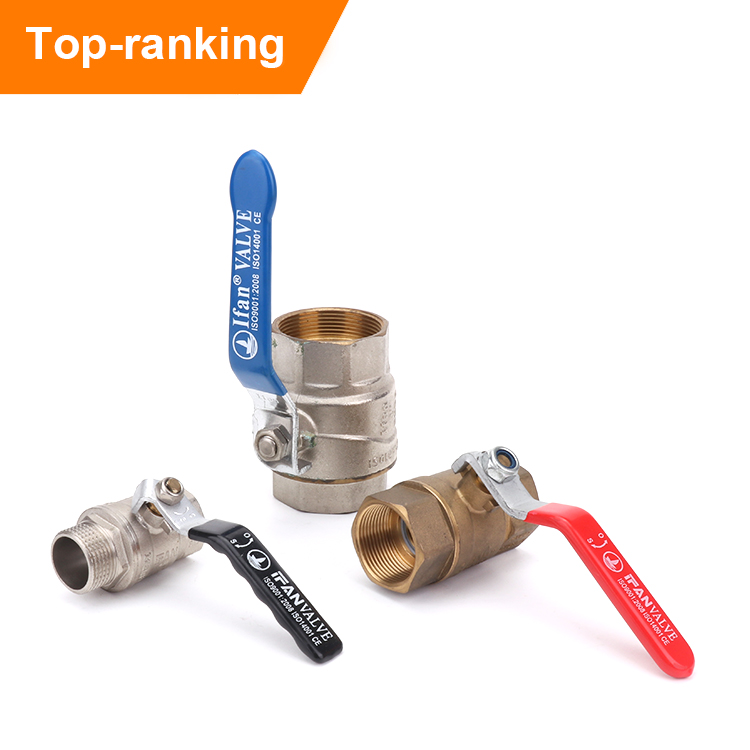
Another advantage of brass ball valves is their ease of installation and use. They are available in a range of sizes, from small residential valves to large industrial valves, catering to different pipe diameters and flow requirements. Brass ball valves can be installed with simple hand tools, and their compact design allows for easy integration into plumbing systems. The lever or handle of the valve provides smooth and precise control, making operation effortless for users.
Conclusion
Brass ball valves are a reliable choice for plumbing systems, offering durability, versatility, and ease of use. Their robust construction and resistance to corrosion ensure long-lasting performance in various applications, from residential to industrial settings. The ability to control flow and shut-off with precision makes brass ball valves essential components in plumbing systems. With their ease of installation and compatibility with different pipe sizes, brass ball valves provide a practical and efficient solution for flow control needs. When it comes to selecting valves for plumbing systems, brass ball valves are a trusted and dependable option.