In the realm of piping systems, CPVC (Chlorinated Polyvinyl Chloride) fittings stand out for their durability, versatility, and ease of installation. Among these, the CPVC Cross Tee fitting emerges as a vital component, facilitating seamless connections in plumbing networks. This comprehensive guide explores the features, applications, and benefits of CPVC Cross Tee fittings, illuminating their pivotal role in modern construction and infrastructure projects.
Understanding CPVC Cross Tee Fittings
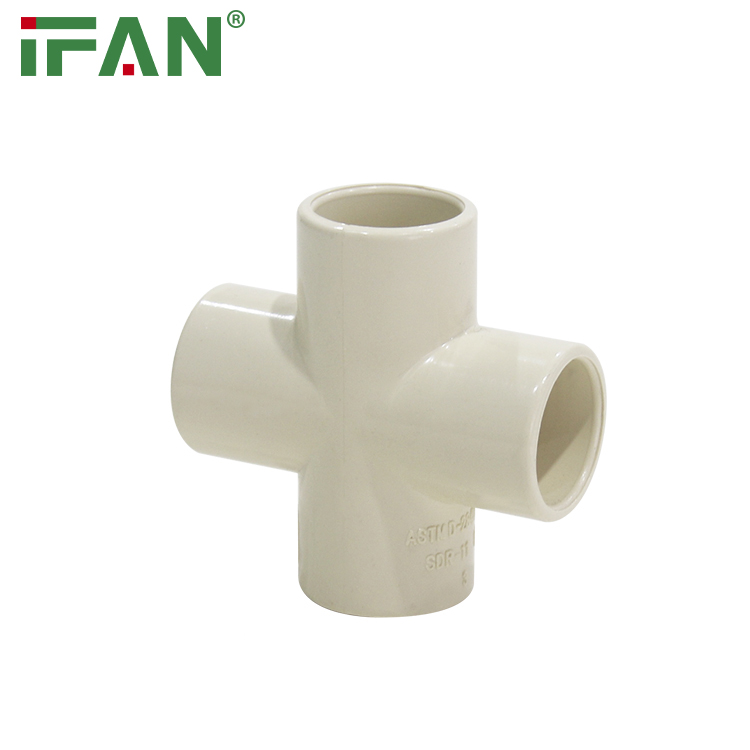
CPVC Cross Tee fittings are engineered to intersect four pipe sections, forming a perpendicular arrangement. Crafted from high-grade CPVC material, these fittings exhibit exceptional corrosion resistance, ensuring longevity even in challenging environments. With precision-molded dimensions, CPVC Cross Tees guarantee leak-proof connections, minimizing maintenance requirements and operational disruptions.
Applications Across Industries
Residential Plumbing: In residential settings, CPVC Cross Tee fittings enable efficient distribution of water within buildings, supporting fixtures such as sinks, showers, and toilets. Their compact design and compatibility with CPVC pipes make them ideal for space-constrained installations, optimizing utility and aesthetics.
Commercial Infrastructure: From office complexes to healthcare facilities, CPVC Cross Tee fittings play a crucial role in establishing robust plumbing networks. Their ability to accommodate varying pipe diameters and angles enhances design flexibility, facilitating customized solutions tailored to specific project requirements.
Industrial Systems: In industrial applications, where reliability is paramount, CPVC Cross Tee fittings offer a dependable solution for fluid conveyance. Whether conveying water, chemicals, or corrosive substances, these fittings ensure secure connections, safeguarding personnel and equipment from potential hazards.
Key Features and Benefits
Chemical Resistance: CPVC material exhibits exceptional resistance to a wide range of chemicals, making Cross Tee fittings suitable for diverse applications, including corrosive environments prevalent in industrial settings.
Temperature Stability: With a high operating temperature range, CPVC Cross Tee fittings remain structurally sound even under extreme thermal conditions, ensuring consistent performance across varying climates and fluid temperatures.
Ease of Installation: Designed for hassle-free installation, CPVC Cross Tee fittings feature socket or threaded connections, eliminating the need for complex welding or ad
[Something went wrong, please try again later.
In the realm of piping systems, CPVC (Chlorinated Polyvinyl Chloride) fittings stand out for their durability, versatility, and ease of installation. Among these, the CPVC Cross Tee fitting emerges as a vital component, facilitating seamless connections in plumbing networks. This comprehensive guide explores the features, applications, and benefits of CPVC Cross Tee fittings, illuminating their pivotal role in modern construction and infrastructure projects.
Understanding CPVC Cross Tee Fittings
CPVC Cross Tee fittings are engineered to intersect four pipe sections, forming a perpendicular arrangement. Crafted from high-grade CPVC material, these fittings exhibit exceptional corrosion resistance, ensuring longevity even in challenging environments. With precision-molded dimensions, CPVC Cross Tees guarantee leak-proof connections, minimizing maintenance requirements and operational disruptions.
Applications Across Industries
Residential Plumbing: In residential settings, CPVC Cross Tee fittings enable efficient distribution of water within buildings, supporting fixtures such as sinks, showers, and toilets. Their compact design and compatibility with CPVC pipes make them ideal for space-constrained installations, optimizing utility and aesthetics.
Commercial Infrastructure: From office complexes to healthcare facilities, CPVC Cross Tee fittings play a crucial role in establishing robust plumbing networks. Their ability to accommodate varying pipe diameters and angles enhances design flexibility, facilitating customized solutions tailored to specific project requirements.
Industrial Systems: In industrial applications, where reliability is paramount, CPVC Cross Tee fittings offer a dependable solution for fluid conveyance. Whether conveying water, chemicals, or corrosive substances, these fittings ensure secure connections, safeguarding personnel and equipment from potential hazards.
Key Features and Benefits
Chemical Resistance: CPVC material exhibits exceptional resistance to a wide range of chemicals, making Cross Tee fittings suitable for diverse applications, including corrosive environments prevalent in industrial settings.
Temperature Stability: With a high operating temperature range, CPVC Cross Tee fittings remain structurally sound even under extreme thermal conditions, ensuring consistent performance across varying climates and fluid temperatures.
Ease of Installation: Designed for hassle-free installation, CPVC Cross Tee fittings feature socket or threaded connections, eliminating the need for complex welding or ad
[Something went wrong, please try again later.
Free Sample(Click Here to Get Free Sample)