Keep Your Pipes Protected with Pex Insulation Solutions

Title: The Benefits of Pex Insulation Solutions for Pipe Protection

Pex Insulation Solutions provide numerous advantages for keeping your pipes protected and preventing damage.

Energy Efficiency: Pex insulation helps to keep the temperature of water in the pipes consistent, reducing the need for excessive heating or cooling. This can lead to lower energy bills over time.

Prevents Freezing: Pex insulation is designed to keep pipes from freezing in cold temperatures. This can prevent costly damage and repairs that can occur when pipes freeze and burst.

Easy Installation: Pex insulation is simple to install and can be easily cut to fit the specific dimensions of your pipes. This makes it a convenient and cost-effective solution for protecting your plumbing.

Durable Material: Pex insulation is made from a durable material that is resistant to tearing and damage. This means that it will provide long-lasting protection for your pipes.

Reduces Condensation: Pex insulation helps to reduce condensation that can build up on pipes, which can lead to mold and mildew growth. By preventing condensation, you can maintain a healthier environment in your home.

Saves Money: By protecting your pipes with Pex insulation, you can save money on costly repairs that can result from damage or freezing. This can help to extend the lifespan of your plumbing system and reduce maintenance costs over time.

Overall, Pex insulation solutions offer a range of benefits for keeping your pipes protected and maintaining the efficiency of your plumbing system.

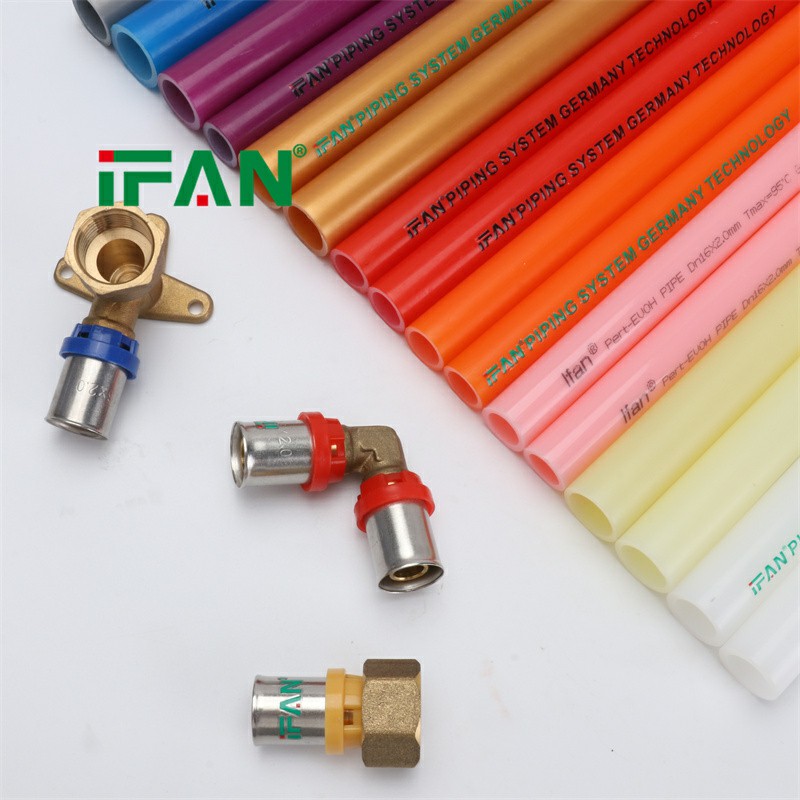
pex pipe

Share:

Facebook
Twitter
Pinterest
LinkedIn

Leave a Comment

Your email address will not be published. Required fields are marked *

On Key

Related Posts

IFAN PEX Press Fittings for Tight Space Installations

IFAN PEX Press Fittings for Tight Space Installations

Overcoming the Challenges of Confined Areas Plumbing installations are rarely straightforward. Whether renovating an older home with cramped crawlspaces or fitting out a commercial building with dense mechanical rooms, contractors frequently encounter areas where space is severely limited. In these environments, traditional joining methods like soldering or threading become extremely difficult, time-consuming, and sometimes dangerous.

Corrosion Resistance of Brass in IFAN PEX Press Fittings

Corrosion Resistance of Brass in IFAN PEX Press Fittings

The Critical Role of Brass in Long-Term Plumbing Reliability When evaluating the lifespan of a plumbing system, the pipe itself often receives the most attention. However, the fittings that connect those pipes are equally vulnerable to environmental and chemical attack. In PEX press systems, the brass body is the structural foundation that holds the entire

How IFAN PEX Press Fittings Reduce Installation Time

How IFAN PEX Press Fittings Reduce Installation Time

The Economics of Speed in Modern Plumbing In the construction and plumbing trades, time is directly tied to profitability. Every hour spent on a job site translates to labor costs, equipment rental fees, and potential delays for other trades. While the material cost of a project is highly visible, the hidden cost of installation time

Pressure Testing Procedures for IFAN PEX Press Fittings

Pressure Testing Procedures for IFAN PEX Press Fittings

The Final Verification of System Integrity Installing a piping network involves hundreds of individual connections. While the mechanical design of IFAN PEX Press Fittings is engineered to create a permanent, leak-proof seal, the only way to guarantee that every joint has been properly executed is through rigorous pressure testing. This final step is non-negotiable. It

IFAN PEX Press Fittings Compatibility with Different PEX Pipes

IFAN PEX Press Fittings Compatibility with Different PEX Pipes

Understanding the PEX Landscape In modern plumbing and heating systems, PEX (cross-linked polyethylene) has become the standard for water distribution. However, not all PEX pipes are manufactured using the same process. There are three primary types—PEX-A, PEX-B, and PEX-C—each with distinct molecular structures and physical properties. For contractors and system designers, a critical question arises:

Get Free Quote NOW