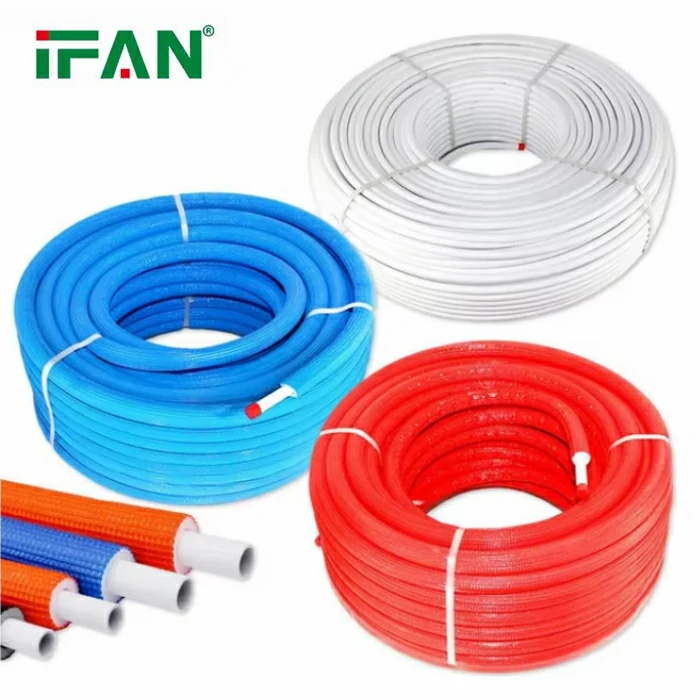
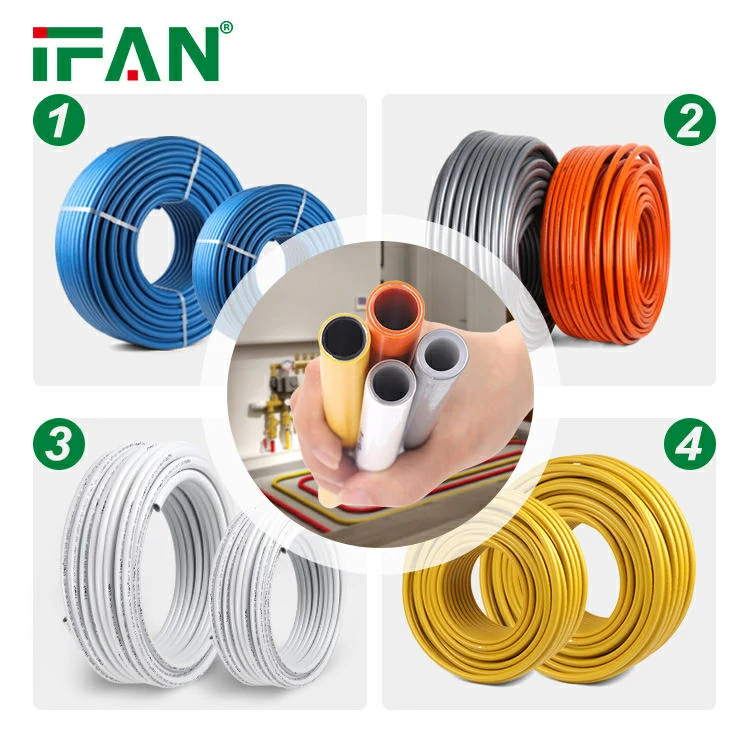
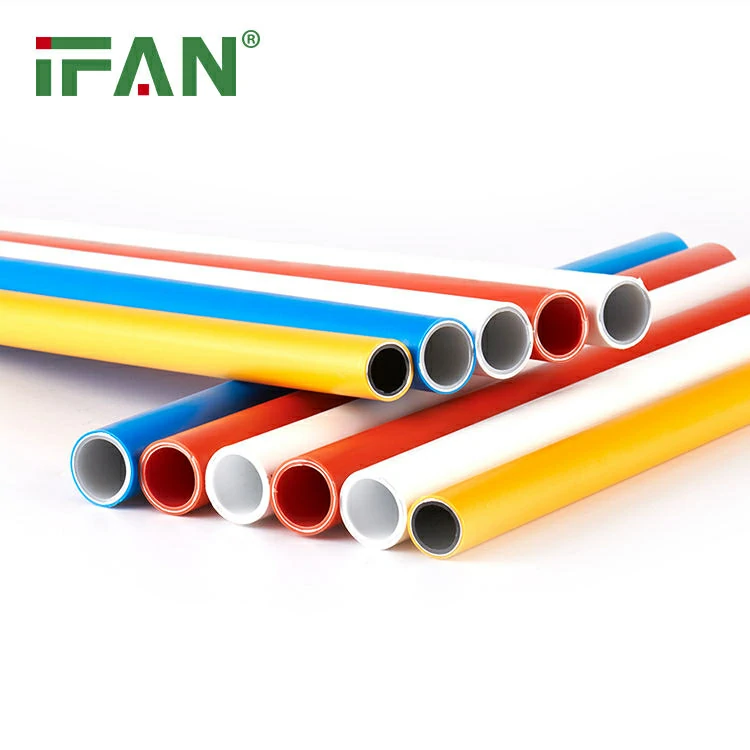
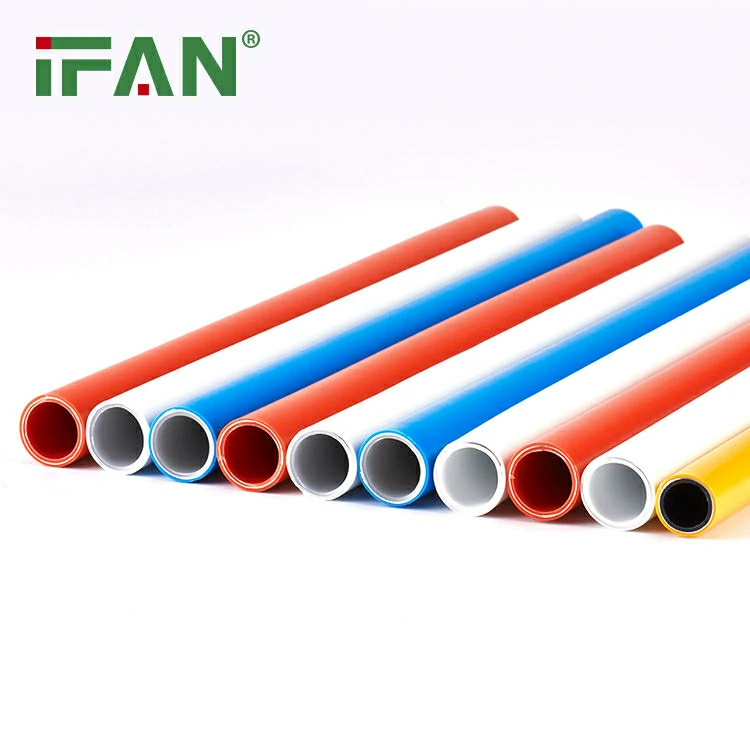
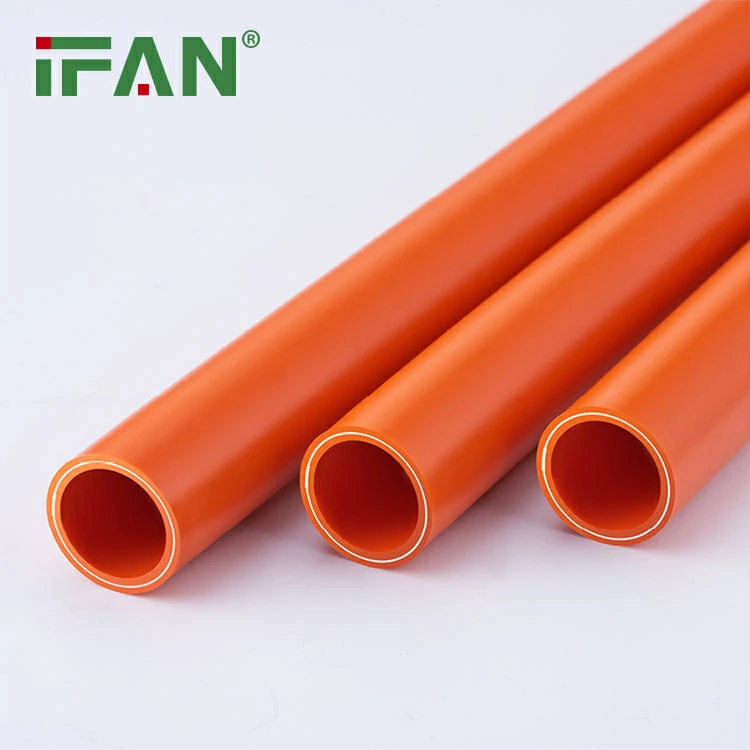
Central heating systems need reliable pipes to deliver hot water safely and efficiently. The pipe material affects heat transfer, system pressure, service life, and installation quality. For this reason, multilayer aluminum pipe has become a practical option for modern heating applications.
A multilayer aluminum pipe combines different materials into one pipe structure. A typical design uses plastic layers and a central aluminum layer. This construction provides flexibility while adding strength and dimensional stability.
For central heating projects, this balance is important. Heating pipes must handle temperature changes, internal pressure, and repeated heating cycles. They also need to remain stable during long-term operation.
What Is a Multilayer Aluminum Pipe?
A multilayer aluminum pipe is made from several bonded layers. PEX-AL-PEX and PE-RT-AL-PE-RT are common structures used in heating applications.
The aluminum layer is positioned between polymer layers. It gives the pipe additional rigidity and helps reduce thermal expansion. The inner plastic layer provides a smooth surface for water flow.
The outer layer protects the aluminum core from the surrounding environment. A bonding layer connects the different materials into a stable pipe structure.
This multilayer construction gives the pipe properties that are difficult to achieve with a single material.
Why Use Multilayer Aluminum Pipe for Central Heating?
Central heating systems often operate for many hours each day. The pipes must therefore provide consistent performance under repeated temperature changes.
Multilayer aluminum pipe offers several useful characteristics for these systems.
First, the aluminum layer limits thermal expansion. This helps maintain the shape of the pipe when hot water passes through the system.
Second, the pipe has good pressure resistance. This makes it suitable for radiator heating, floor heating, and other hydronic heating applications.
Third, the smooth inner surface can help maintain efficient water flow. It also reduces the risk of internal corrosion associated with metallic pipes.
Another benefit is installation flexibility. Multilayer pipes can be bent during installation, which makes routing easier in residential and commercial buildings.
Multilayer Aluminum Pipe for Radiator Heating
Radiator heating systems require pipes that can transport hot water from the heat source to individual radiators.
A multilayer aluminum pipe can be used for supply and return lines. Its flexible structure makes it easier to route pipes around walls, floors, and other building structures.
The aluminum core also helps reduce pipe movement caused by temperature changes. This can be useful when pipes are installed beneath floors or inside walls.
For radiator systems, installers should select the correct pipe size. Pipe diameter affects water flow, pressure loss, and heating performance.
Common sizes are available for different project requirements. Larger systems may require larger pipe diameters or carefully designed distribution networks.
Advantages of PEX-AL-PEX Pipe in Heating Systems
PEX-AL-PEX is one of the most widely recognized multilayer pipe structures.
The inner PEX layer provides a smooth water passage. The aluminum layer improves rigidity and dimensional stability. The outer PEX layer provides additional protection.
This combination creates a pipe that is flexible but more stable than many conventional plastic pipes.
PEX-AL-PEX pipes can also provide a strong barrier against oxygen diffusion. This characteristic is valuable in closed-loop heating systems.
Reducing oxygen penetration can help protect metal components within the heating circuit. These components may include pumps, valves, radiators, and other heating equipment.
Thermal Expansion and Dimensional Stability
Thermal expansion is an important consideration when selecting pipes for central heating.
Plastic pipes generally expand when heated. Excessive movement can create installation problems. It may also cause noise when pipes move against building materials.
The aluminum layer in a multilayer pipe helps control this expansion. The pipe remains more dimensionally stable as operating temperatures change.
This feature is especially useful for long pipe runs. Proper pipe supports and installation spacing are still necessary.
Installers should always follow the technical requirements of the selected pipe system.
Corrosion Resistance and Long-Term Use
Traditional metal heating pipes can be affected by corrosion. This may become a concern when the system operates for many years.
The polymer inner layer of a multilayer aluminum pipe does not have the same corrosion behavior as conventional steel piping.
A smooth plastic inner surface also helps reduce deposits inside the pipe. This can support stable water flow over the service life of the heating system.
However, water quality remains important. Heating system water should meet the requirements specified by the heating equipment manufacturer.
Easy Installation for Heating Projects
Installation efficiency is another reason to consider multilayer aluminum pipe.
The pipe can normally be bent manually or with suitable bending tools. This reduces the need for many elbows and additional connections.
Fewer connections can simplify the installation process. It can also reduce potential leakage points when the system is installed correctly.
Multilayer pipes can be used with compatible compression, press, or other approved fitting systems. The fitting method depends on the pipe specification and project requirements.
Professional installation is recommended for central heating systems.
Applications of Multilayer Aluminum Heating Pipe
Multilayer aluminum pipes can be used in many hydronic heating applications.
Typical applications include:
- Central heating systems
- Radiator heating systems
- Residential heating networks
- Commercial building heating
- Underfloor heating
- Hydronic heating circuits
- Boiler connection systems
- Heating distribution lines
The suitable application depends on the pipe structure, temperature rating, pressure rating, and applicable standards.
For larger projects, engineers should also consider hydraulic calculations and heat load requirements.
How to Choose Multilayer Aluminum Pipe
Choosing the right pipe requires more than checking the outside diameter.
The first factor is the pipe structure. PEX-AL-PEX and PE-RT-AL-PE-RT have different material characteristics.
The second factor is the working temperature. Central heating systems can operate at different temperatures depending on the heat source and system design.
Pressure rating is another important specification. The selected pipe should match the maximum working pressure of the heating circuit.
Pipe dimensions should also match the system design. Using the wrong diameter may affect flow rate and heating efficiency.
Finally, check the fitting system. Pipe and fittings should be designed to work together as a complete system.
Multilayer Aluminum Pipe vs. Traditional Plastic Pipe
Both multilayer and single-layer plastic pipes can be used for heating. Their structures, however, provide different installation characteristics.
A multilayer aluminum pipe generally offers better dimensional stability. It also provides lower thermal expansion than many conventional plastic pipes.
Single-layer plastic pipes can be highly flexible. Multilayer pipes provide a useful combination of flexibility and rigidity.
The right choice depends on the project design. Temperature, pressure, installation method, and local regulations should all be considered.
Multilayer Aluminum Pipe Manufacturer for Heating Projects
A reliable manufacturer is important when purchasing multilayer aluminum pipe for central heating projects.
Manufacturers should provide clear information about pipe dimensions, material structure, temperature ratings, pressure ratings, and applicable standards.
Quality control is also important. Consistent wall thickness and stable bonding between layers help ensure reliable pipe performance.
For wholesalers and distributors, production capacity is another important consideration. Stable supply can help support large construction projects and long-term orders.
Why Choose IFAN Multilayer Aluminum Pipe?
IFAN provides professional pipe and fitting solutions for plumbing and heating applications. The company has extensive manufacturing experience and supports different project requirements.
IFAN multilayer aluminum pipes are designed for applications where flexibility, dimensional stability, and reliable performance are important.
The product range can support residential, commercial, and heating projects. OEM and customized solutions are also available for suitable requirements.
For distributors and project suppliers, working directly with a manufacturer can simplify product sourcing. It can also provide better control over specifications and supply.
If you are looking for multilayer aluminum pipe for central heating systems, IFAN can provide pipe and fitting solutions for different applications.
Conclusion
Multilayer aluminum pipe is a practical solution for modern central heating systems. Its multilayer construction combines the benefits of polymer materials with the stability of an aluminum core.
The pipe can provide good pressure resistance, controlled thermal expansion, corrosion resistance, and installation flexibility.
PEX-AL-PEX pipes are especially suitable for radiator heating and hydronic heating applications. They can also be used in underfloor heating and other water-based heating systems.
Before selecting a product, check temperature, pressure, pipe size, fitting compatibility, and applicable standards.
For reliable sourcing, IFAN offers multilayer pipe and plumbing solutions for residential, commercial, and heating projects. Contact IFAN for product specifications, factory pricing, samples, and customized requirements.