Introduction
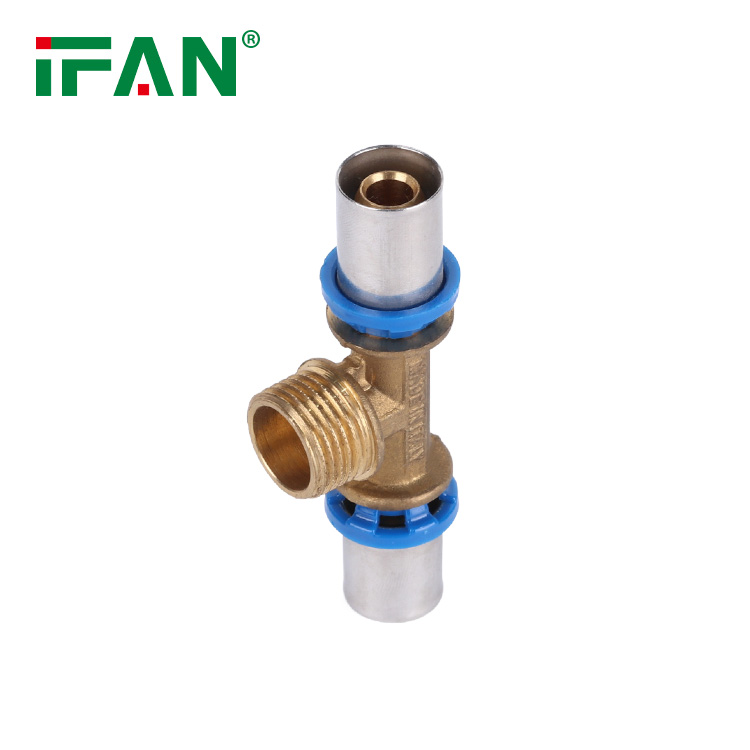
When it comes to plumbing fittings, there are two main options to consider: PEX (cross-linked polyethylene) fittings and traditional fittings. While traditional fittings have been the standard for many years, PEX fittings have gained popularity for their unique advantages. In this article, we will compare PEX fittings with traditional fittings, exploring their respective advantages and disadvantages. Let’s dive into each aspect in detail.
1. Installation Ease and Speed
One of the significant advantages of PEX fittings is their ease of installation. PEX fittings often utilize push or compression connections, which require fewer tools and skill compared to soldering or threading used in traditional fittings. These quick and simple installation methods save time and make PEX fittings more accessible to DIY enthusiasts. However, traditional fittings may require specialized tools and techniques, resulting in a longer and more complex installation process.
2. Flexibility and Adaptability
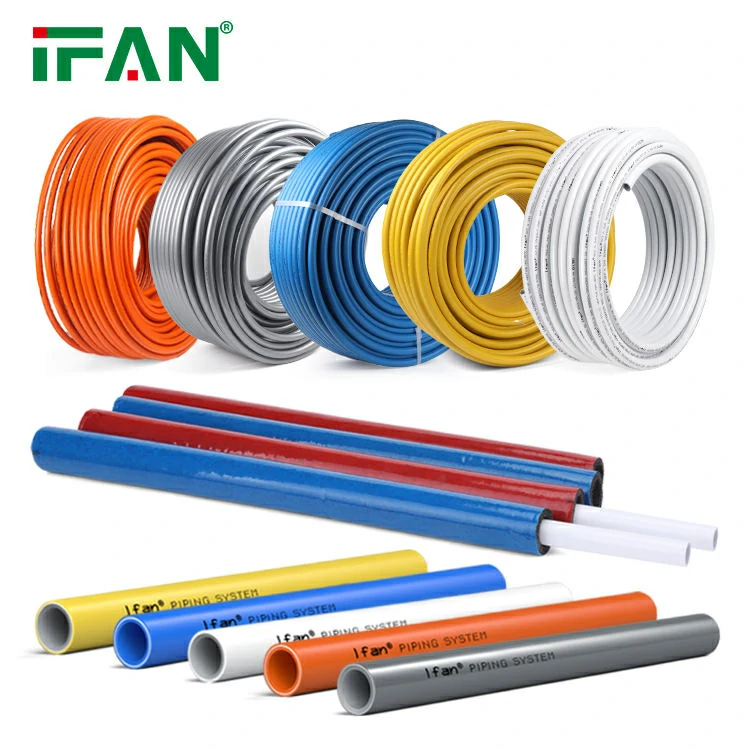
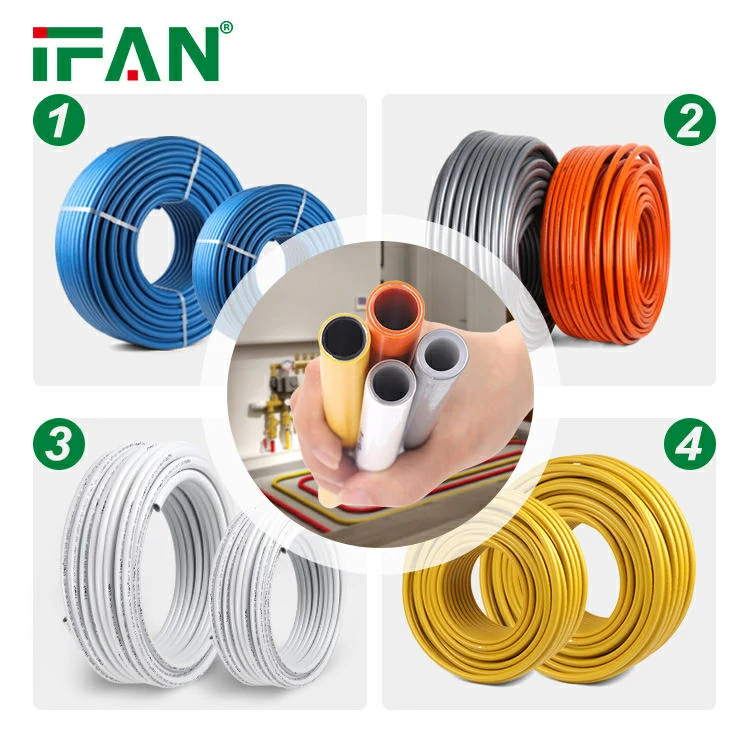
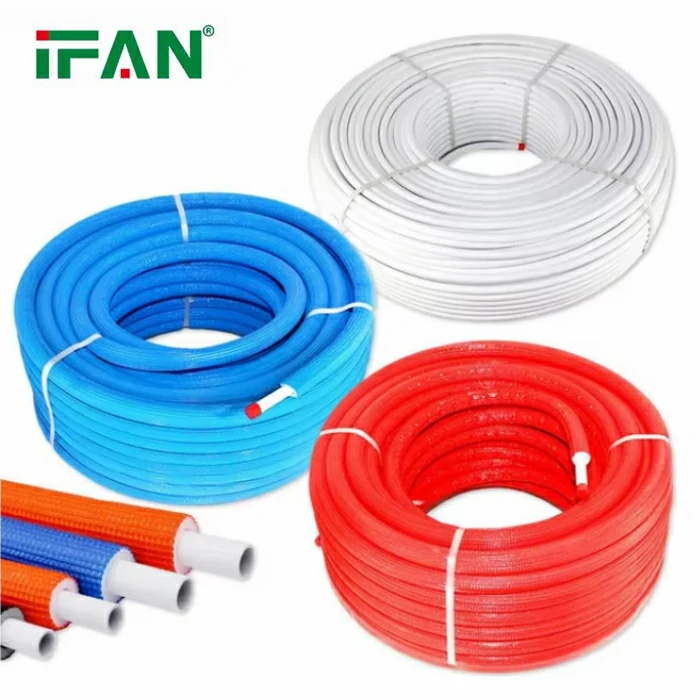
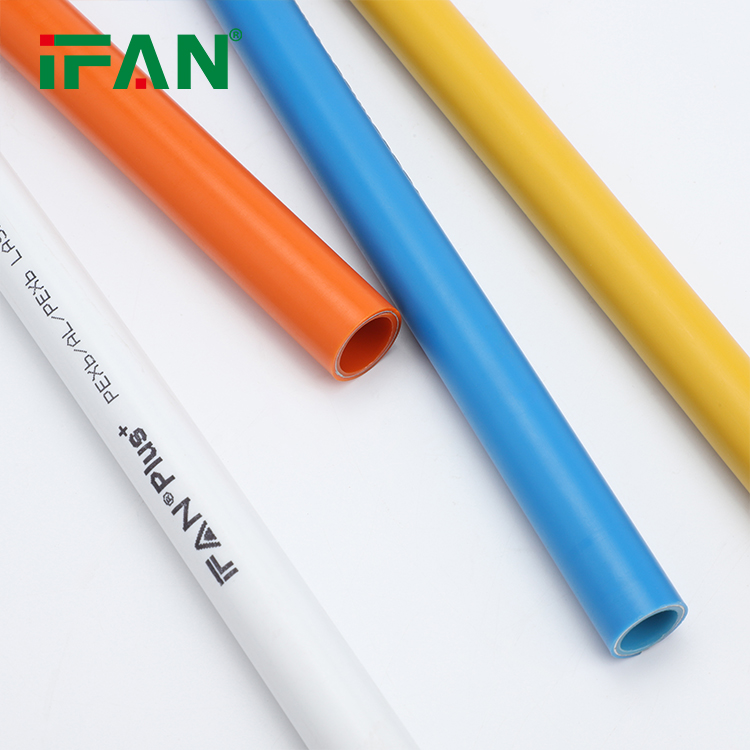
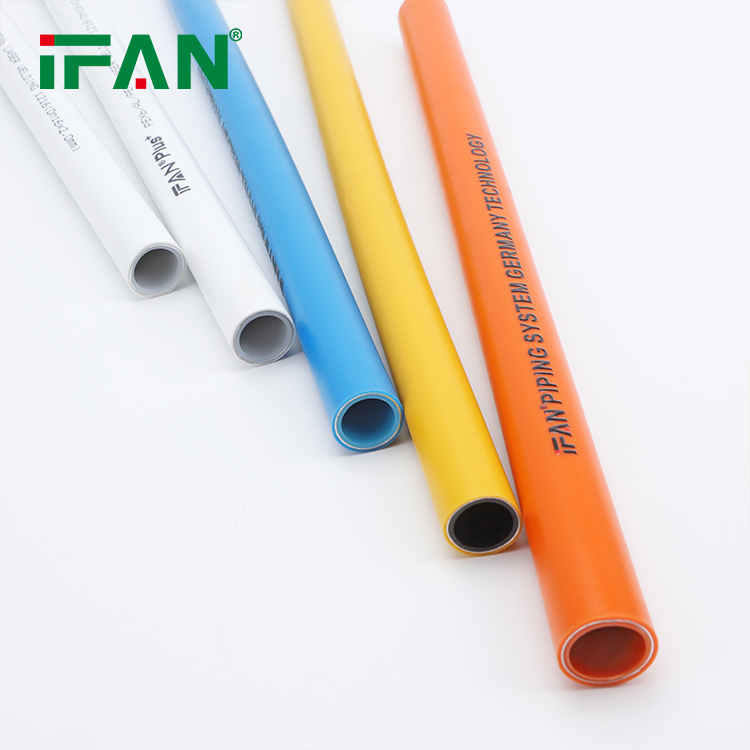
PEX fittings offer superior flexibility compared to traditional fittings. PEX tubing can bend and maneuver through tight spaces without the need for additional fittings, reducing the risk of leaks and improving overall system efficiency. Traditional fittings, on the other hand, are often limited in their adaptability, requiring more fittings, connectors, and joints to achieve the desired configuration. PEX fittings provide greater flexibility and adaptability in plumbing systems.
3. Resistance to Corrosion and Scaling
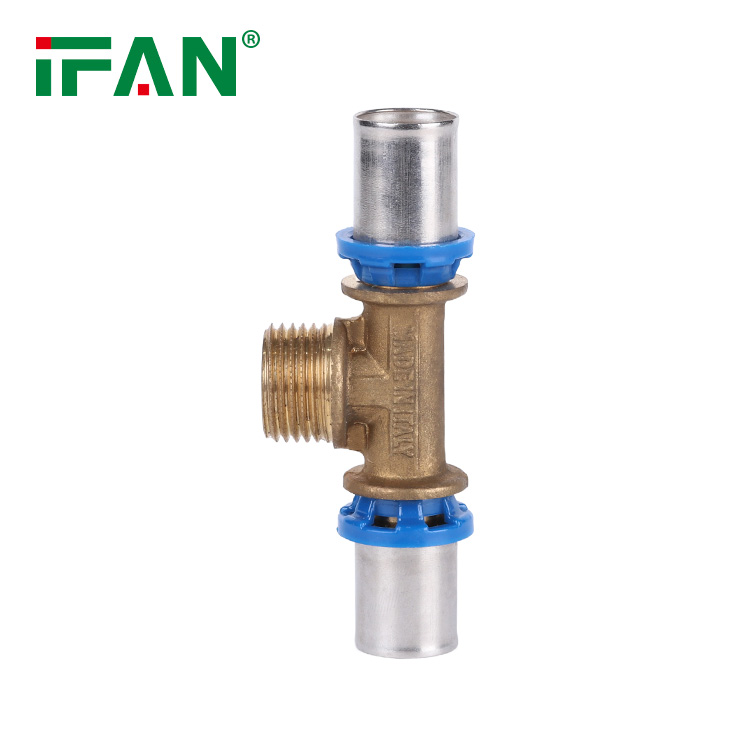
PEX fittings have excellent resistance to corrosion and scaling, which can be problematic with traditional fittings. Traditional fittings, especially those made of metal, are susceptible to corrosion over time, leading to leaks and reduced system performance. PEX fittings, being made of plastic, are resistant to corrosion and scaling, ensuring long-lasting and leak-free connections. This advantage makes PEX fittings particularly suitable for areas with aggressive water conditions.
4. Cost Considerations
In terms of cost, PEX fittings can offer advantages over traditional fittings. PEX fittings themselves are often more affordable than their traditional counterparts. Additionally, the ease of installation and reduced labor time associated with PEX fittings can result in cost savings. However, it’s worth noting that the overall cost may vary based on factors such as the specific project requirements, availability of materials, and region-specific pricing.
5. Compatibility with Existing Systems
Compatibility can be a significant factor when considering PEX fittings versus traditional fittings. PEX fittings are not always compatible with existing plumbing systems, especially those designed for traditional fittings. Adapters or transition fittings may be required to connect PEX fittings to existing pipes or fixtures. Traditional fittings, being the long-standing standard, are often readily compatible with existing systems, making them a convenient choice for renovation projects.
Conclusion
PEX fittings and traditional fittings each have their own advantages and disadvantages. PEX fittings offer easy installation, flexibility, resistance to corrosion, and potential cost savings. However, they may require compatibility considerations and the use of specialized tools or adapters. Traditional fittings, although sometimes more complex and expensive, offer compatibility with existing systems and are well-established in the industry. Choosing between PEX fittings and traditional fittings ultimately depends on the specific requirements of the plumbing project, budget constraints, and personal preferences. Understanding the pros and cons of each can help make an informed decision that best suits the needs of the plumbing system.