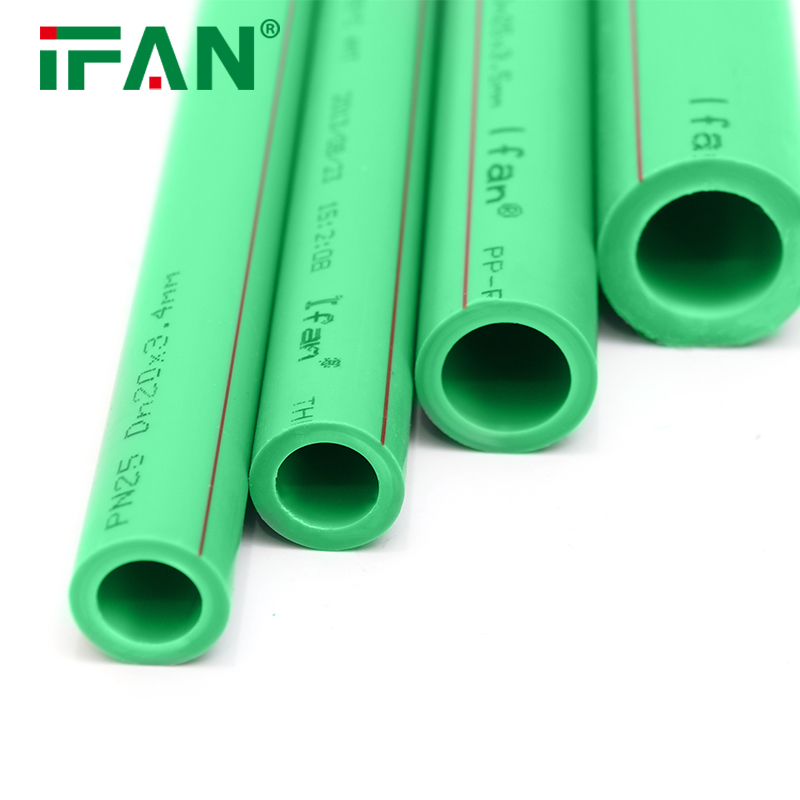
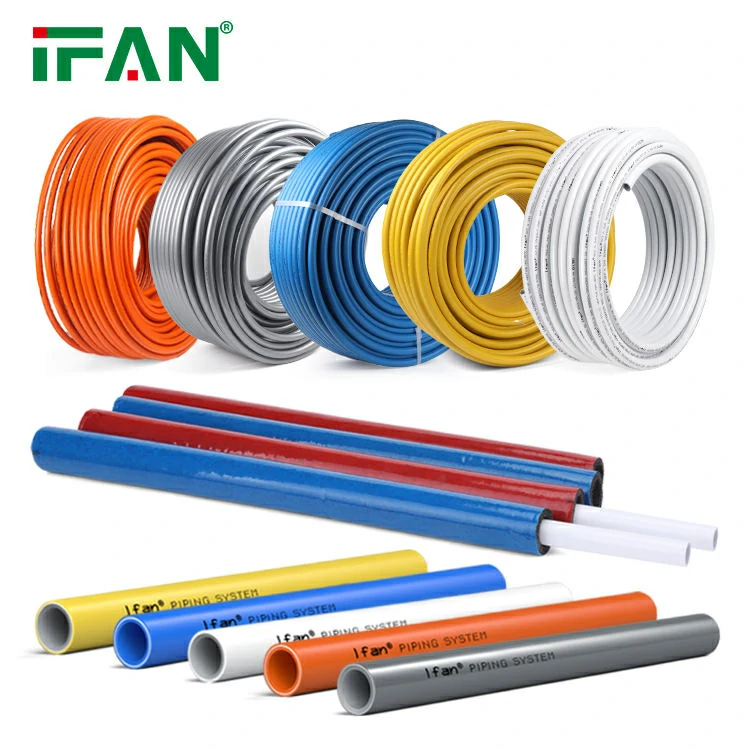
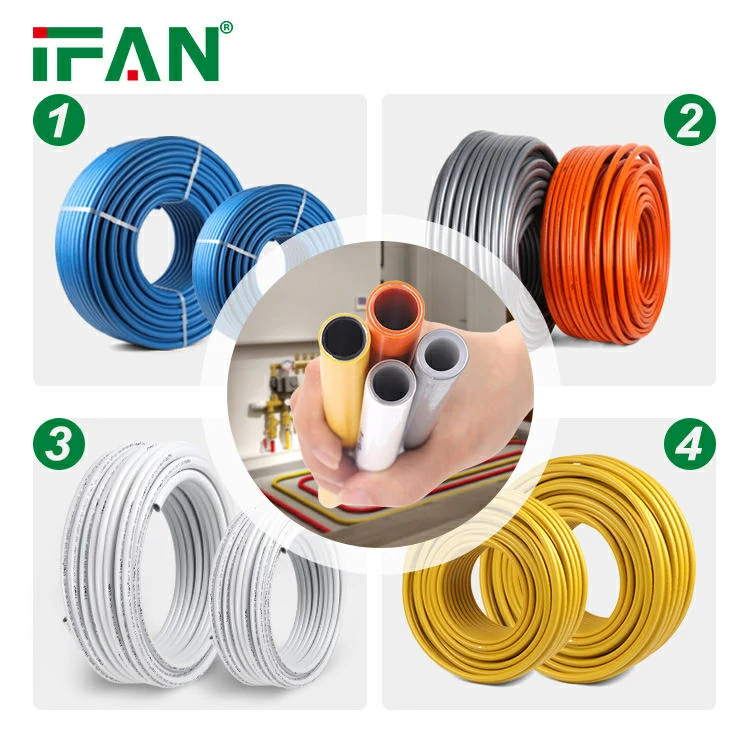
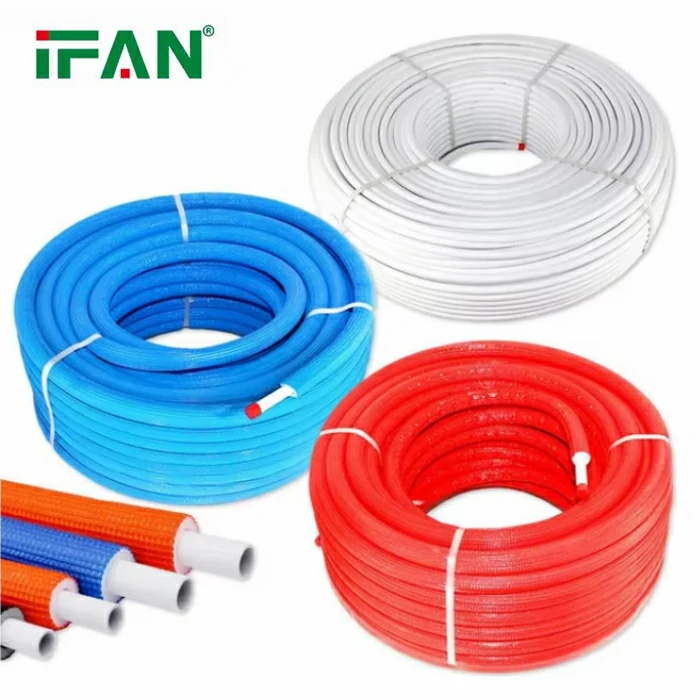
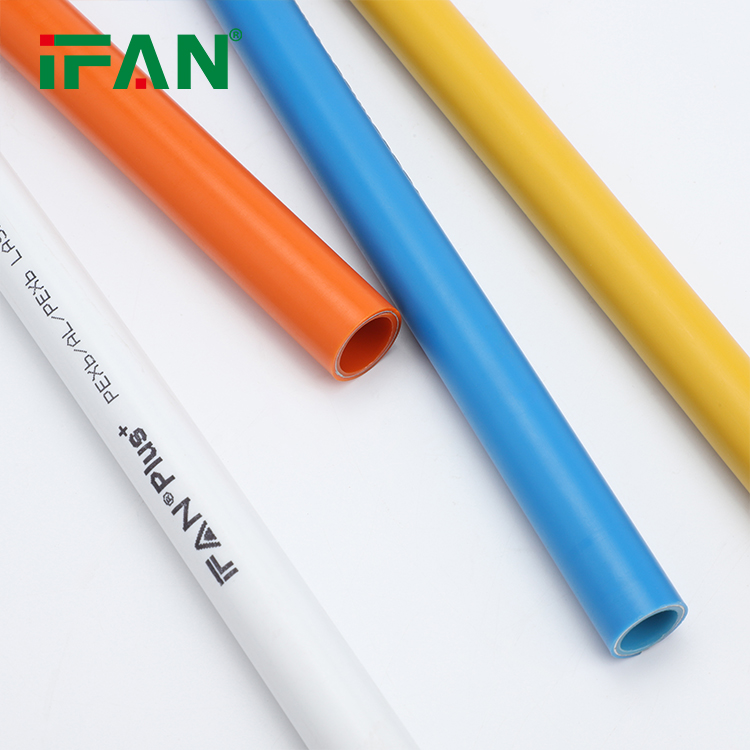
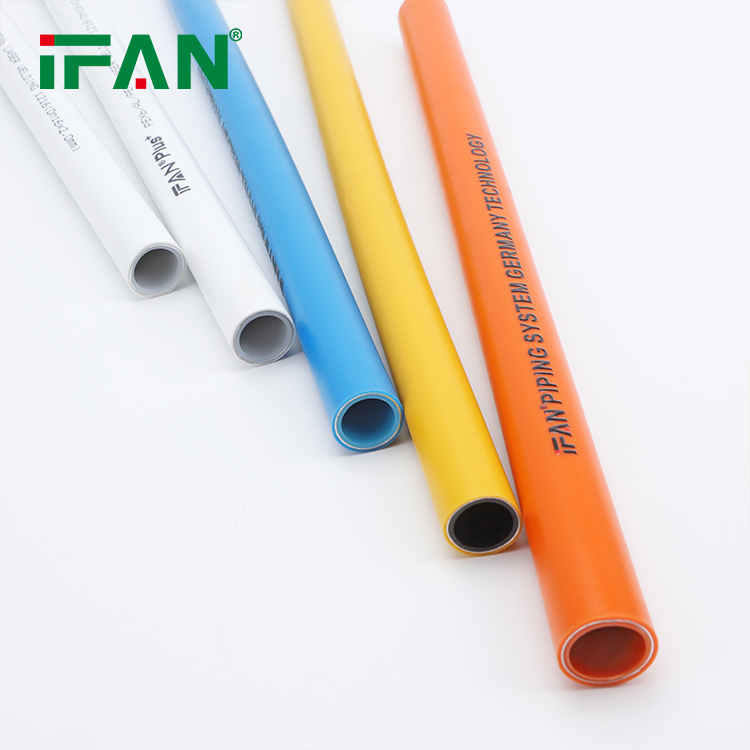
PPR pipe, or Polypropylene Random Copolymer pipe, has emerged as a leading choice for plumbing and piping systems worldwide. Its unique properties and benefits make it an excellent option for a wide range of applications, from residential plumbing to industrial fluid transfer.
Material Composition and Strength
PPR pipe is made from Polypropylene Random Copolymer, a highly durable thermoplastic material. This material offers exceptional strength and flexibility, allowing the pipe to withstand high pressures and temperatures without compromising its structural integrity. Additionally, PPR pipe is corrosion-resistant and non-toxic, ensuring safe water supply and environmental friendliness.
Versatility in Applications
PPR pipe’s versatility lies in its ability to adapt to various applications. It is commonly used in residential plumbing systems for hot and cold water supply, as well as in central heating and air conditioning systems. Its durability and resistance to chemicals make it an ideal choice for industrial fluid transfer and chemical processing. Furthermore, PPR pipe is also suitable for irrigation systems, agricultural applications, and other outdoor uses due to its excellent weather resistance.
Innovative Design and Technology
PPR pipe incorporates innovative design and technology to provide superior performance. Its smooth inner surface reduces the risk of clogging and ensures efficient fluid flow. The pipe’s flexible design allows for easy installation in tight spaces and curved layouts. Moreover, PPR pipe is compatible with various joining methods, including fusion welding and compression fittings, ensuring secure and leak-proof connections.
Ease of Installation and Maintenance
PPR pipe offers ease of installation and maintenance, saving time and money. Its lightweight and flexible design facilitate faster installation compared to traditional metal pipes. Additionally, PPR pipe requires minimal maintenance, with regular inspections and cleaning sufficient to maintain its optimal performance. This reduces the need for frequent repairs and replacements, saving on long-term costs.
Environmental Sustainability
PPR pipe is an environmentally sustainable choice for plumbing solutions. It is recyclable and can be reused or recycled after its lifespan, minimizing waste and environmental impact. Furthermore, PPR pipe’s non-toxic and corrosion-resistant properties ensure safe water supply and protect against water contamination.
In conclusion, PPR pipe is an excellent choice for reliable plumbing solutions. Its unique properties, versatility, innovative design, ease of installation, and environmental sustainability make it a preferred option for various applications worldwide.
Free Sample(Click Here to Get Free Sample)