ASTM2846(501)The Versatility of CPVC Pipe Fittings: Perfect for Any Project

The Versatility of CPVC Pipe Fittings: Perfect for Any Project

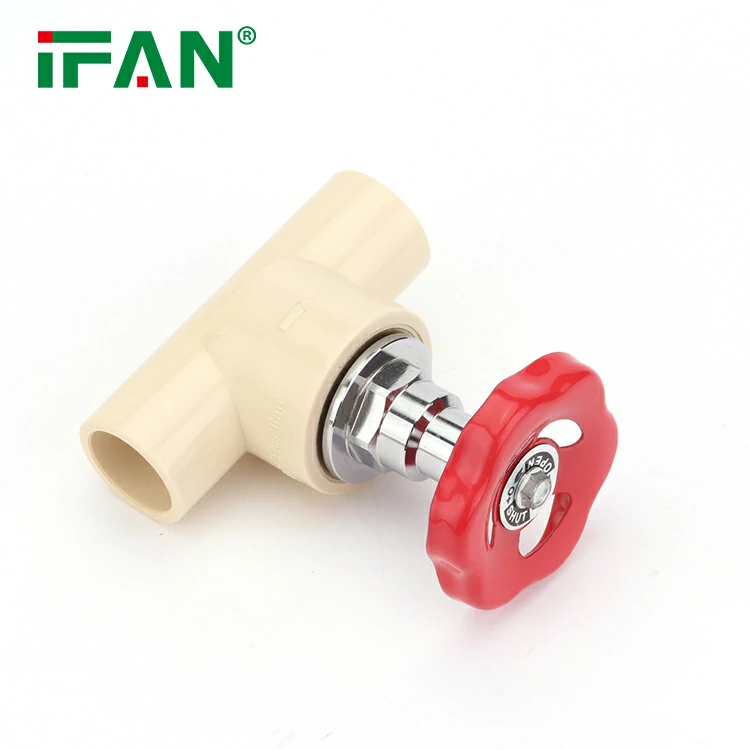
CPVC pipe fittings have become a popular choice in plumbing and industrial applications due to their versatility and durability. In this article, we will explore the advantages of CPVC pipe fittings and how they can benefit any project.

  1. Chemical Resistance

One of the primary advantages of CPVC pipe fittings is their resistance to chemicals. This makes them ideal for use in chemical processing plants, where exposure to harsh chemicals is common. CPVC fittings are also resistant to corrosion, making them a durable option for plumbing systems.

  1. High Temperature Tolerance

CPVC pipe fittings are capable of withstanding high temperatures, making them perfect for hot water applications. They are able to handle temperatures up to 200°F, which is much higher than traditional PVC pipe fittings. This makes them an ideal choice for both residential and commercial plumbing applications.

  1. Easy Installation

Another advantage of CPVC pipe fittings is their ease of installation. They are lightweight and easy to cut, which makes them easy to work with. Additionally, they can be used with a variety of tools, including solvent cements, mechanical joints, and threaded connections.

  1. Versatility

CPVC pipe fittings come in a variety of sizes and shapes, making them versatile for any project. They can be used in both residential and commercial applications, including hot and cold water supply, drainage systems, and more.

  1. Longevity

CPVC pipe fittings are extremely durable and have a long life span. They are resistant to UV rays and weathering, making them ideal for outdoor applications. They also have a low risk of cracking or breaking, ensuring that they will last for many years.

In conclusion, CPVC pipe fittings are a versatile and durable option for a wide range of applications. Their chemical resistance, high temperature tolerance, ease of installation, versatility, and longevity make them the perfect choice for any project.
Share:

Facebook
Twitter
Pinterest
LinkedIn

Leave a Comment

Your email address will not be published. Required fields are marked *

On Key

Related Posts

Common Brass Ball Valve Failures and How to Prevent Them

Common Brass Ball Valve Failures and How to Prevent Them — The IFAN Way Most Valve Failures Come Down to These Few Things After years in the plumbing game, I’ve noticed a pattern — when a ball valve fails, it almost always comes down to the same handful of issues. Most people treat valves like

Proper Installation Practices for Brass Ball Valves

Proper Installation Practices for IFAN Brass Ball Valves: Don’t Let Bad Installation Ruin a Great Valve Bought a great valve and it still leaks after installation? I’ve seen this way too many times. Here’s the truth — a ball valve is 30% product and 70% installation. Even the best IFAN Brass Ball Valve will leak if

Why Brass Ball Valves Are Preferred Over Plastic or Steel

Why Brass Ball Valves Win Every Time — Plastic and Steel Just Can’t Compete Plastic Ball Valves: Cheap Upfront, Painful Later Someone probably told you at some point: “Just grab a plastic ball valve, it’s cheap and it works.” Works? Sure — until it doesn’t. The biggest issue with plastic valves is pressure. The moment

Temperature Limits for Brass Ball Valves in Hot Water Lines

Temperature Limits for Brass Ball Valves in Hot Water Lines: IFAN Gives You the Straight Answer One: What’s the Big Deal About Temperature in Hot Water Ball Valves? Let’s be real — most people grab a ball valve without even checking the temperature rating. “It’s just an on-off switch, right?” Wrong. Big time. Your cold

Threaded vs Solder End Brass Ball Valves Which to Choose

IFAN Threaded vs Solder End Brass Ball Valves: Which One Should You Actually Pick? The Short Answer: There’s No “Best” — Only “Best for Your Situation” Every time someone asks me whether to go threaded or solder end for a ball valve, I want to ask back — “Where are you installing it? What’s it

Get Free Quote NOW